- Categories :
- More
I Think I Have Sleep Apnea. What Should I Do Next?
By:
 Smiles by Dr. A - Tasnim Arsiwala, DMD
| Published 09/16/2026



What should you do if you think you have sleep apnea?
If you suspect sleep apnea, begin by documenting your symptoms and speaking with a qualified healthcare professional.
Do not attempt to diagnose yourself based only on snoring or an online checklist. A healthcare provider can review your symptoms and determine whether proper sleep testing is needed.
Step 1: Pay attention to your symptoms
Write down the symptoms you experience during the night and during the day.
Possible warning signs include:
- Loud or frequent snoring
- Gasping or choking during sleep
- Breathing pauses noticed by another person
- Morning headaches
- Dry mouth
- Frequent awakenings
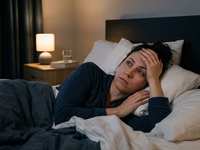
- Daytime tiredness
- Difficulty concentrating
- Irritability
- Feeling unrefreshed after sleeping
This information can help your healthcare provider understand what is happening.
Step 2: Ask your spouse or family member what they notice
A spouse or family member may have valuable information because many sleep apnea symptoms happen while you are asleep.
Ask whether they have noticed:
- Pauses in your breathing
- Gasping or choking
- Loud snoring interrupted by silence
- Restless sleep
- Sudden movements when breathing resumes
A sleep partner’s observations may be helpful during an evaluation, but they do not replace formal testing.
Step 3: Speak with a healthcare professional
Tell your provider about both your nighttime and daytime symptoms.
Your provider may ask about your sleep history, general health, medications, and observations from someone who shares your household. A sleep specialist may then recommend further evaluation. [mayoclinic.org]
How is sleep apnea diagnosed?
Sleep apnea is commonly diagnosed through a sleep study.
Sleep testing can collect information about breathing patterns, airflow, oxygen levels, heart rate, and other sleep-related measurements.
Testing may involve:
- An overnight sleep study in a sleep center
- An appropriate home sleep apnea test
Home testing may be an option for some patients, but it is not right for everyone. A healthcare professional should determine which evaluation is appropriate. Mayo Clinic notes that home testing can sometimes miss sleep apnea, and additional testing may still be recommended when initial results are within the standard range. [mayoclinic.org]
Is a sleep apnea screening the same as a diagnosis?
No. A screening identifies possible risk, while a diagnosis determines whether sleep apnea is present.
A screening may include questions about snoring, sleepiness, breathing interruptions, health history, and other risk factors.
Screening can help you decide whether further evaluation is needed, but it does not replace a sleep study or medical diagnosis.
Can a dentist diagnose sleep apnea?
A dentist can help screen patients and evaluate oral factors, but the medical diagnosis of sleep apnea requires appropriate medical evaluation and testing.
A dentist trained in dental sleep medicine may play an important role by:
- Recognizing warning signs
- Reviewing sleep-related symptoms
- Examining the teeth, jaw, bite, and oral structures
- Determining whether the mouth is suitable for an oral appliance
- Providing a custom appliance after appropriate diagnosis and prescription
- Monitoring comfort, fit, and oral health
- Coordinating with medical and sleep providers
Current standards from the American Academy of Dental Sleep Medicine emphasize collaborative care between dentists and physicians, along with proper screening, examination, treatment management, education, and follow-up. [aadsm.org], [aadsm.org]
What happens after a sleep apnea diagnosis?
Your provider will discuss treatment based on your diagnosis, health, preferences, and the severity and type of sleep apnea.
Treatment may include:
- CPAP or another positive airway pressure device
- A custom oral device
- Healthy lifestyle changes
- Positional recommendations
- Other medical or surgical treatment when appropriate
A PAP machine is the most common sleep apnea treatment. The National Heart, Lung, and Blood Institute also states that a provider may prescribe an oral device when a patient does not want to use or cannot tolerate CPAP. [nhlbi.nih.gov]
What if you cannot tolerate CPAP?
If you have difficulty using CPAP, speak with your treating provider rather than stopping treatment without guidance.
Your provider may be able to address mask fit, dryness, congestion, pressure, or other concerns. If CPAP remains difficult to tolerate, your provider can determine whether another treatment option may be appropriate.
Some diagnosed patients may be referred to a dentist for custom oral appliance therapy.
How can Woodlands Sleep Solutions support the process?
At Woodlands Sleep Solutions, we help patients understand how dental sleep medicine may fit into their care.
Our role may include:
- Discussing possible warning signs
- Providing sleep-disordered breathing screening
- Completing an oral and dental evaluation
- Coordinating with medical and sleep providers
- Providing custom oral appliance therapy when prescribed
- Adjusting the device for comfort and effectiveness
- Monitoring the teeth, jaw, bite, and oral health
- Supporting appropriate follow-up
Our goal is to make the process understandable and help each patient navigate the appropriate next step.
Get answers instead of guessing
If you regularly snore, wake up gasping, feel exhausted during the day, or have been told that you stop breathing, do not rely on guesswork.
Contact Woodlands Sleep Solutions in The Woodlands to discuss your symptoms and learn whether additional evaluation may be appropriate.
Quick FAQs
Can I test myself for sleep apnea?
An online questionnaire may identify possible risk, but it cannot provide a diagnosis. A qualified healthcare provider should determine whether you need a sleep study.
Can sleep apnea be diagnosed with a home test?
Home sleep apnea testing may be appropriate for some patients. A healthcare professional should determine whether home testing or an in-center study is suitable. [mayoclinic.org]
Should I see a doctor or dentist first?
Either conversation may help identify warning signs, but an appropriate medical or sleep provider is needed for diagnosis. A dentist trained in dental sleep medicine can help with screening and physician-coordinated oral appliance care.
This information is educational and does not replace medical diagnosis or treatment.