- Sections :
- Crime & Public Safety
- Restaurants & Food
- Sports
- More


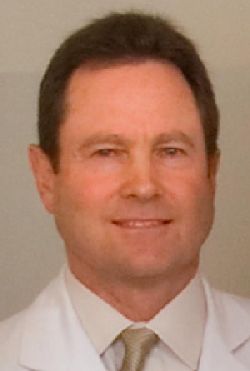
Doctors can test patients for pre-diabetes to help them take the steps necessary to prevent the development of type 2 diabetes.
The Woodlands, TX –– Diabetes affects millions of Americans, but many people don’t realize that they are susceptible, much less that they are able to delay or even prevent developing the disease.
Type 2 diabetes, the most common form of diabetes, occurs when the body does not produce enough insulin or the insulin produced is not properly used by the body. While type 2 diabetes can affect virtually anyone, people are at greater risk if they are overweight, inactive, older, have high cholesterol or have a family history of diabetes. Type 2 diabetes is also more common in African Americans, Latinos, Native Americans, Asian Americans and Pacific Islanders.
Before developing type 2 diabetes, people usually have what is known as pre-diabetes, which occurs when an individual has glucose levels that are higher than normal, but not high enough to incur a diabetes diagnosis.
There are usually no symptoms of pre-diabetes, so it is important to get tested, especially if you are over the age of 45, overweight or have any of the other risk factors.
“If patients take control of their health once we see high glucose levels associated with pre-diabetes, they can delay, or possibly even prevent developing type 2 diabetes,” said Stephen D. Fillman, MD, FACP. “In addition to diabetes itself, pre-diabetes can cause damage to the body, so it’s best to get glucose levels tested regularly.”
There are several different tests to determine if an individual has pre-diabetes. The fasting plasma glucose test (FPG) tests for impaired fasting glucose, while the oral glucose tolerance test (OGTT) tests for impaired glucose tolerance. Insulin level testing is another important indicator of a patient’s insulin sensitivity and the likelihood of his or her developing diabetes. All of these tests can be given during a routine physical exam.
“In addition to the risk of developing type 2 diabetes, individuals with pre-diabetes are also at risk of heart disease and stroke,” said Fillman. “It is important that after a diagnosis of pre-diabetes patients change the way they eat and exercise. They are essentially getting a warning and another chance to take better care of themselves.”
If diagnosed with pre-diabetes, individuals need to take steps to help prevent developing diabetes. Good nutrition and increased physical activity can greatly decrease the odds of developing diabetes. Some people may even be able to get their glucose levels back to the normal range.
Northwest Diagnostic Clinic was founded in 1975 and its team of board certified physicians has been caring for families for more than 30 years. In addition to fourteen physicians and four physician assistants (PAs), Northwest Diagnostic Clinic offers a full staff of nurses, medical assistants, laboratory, imaging and administrative personnel to assist with patient care.
With offices in The Woodlands and northwest Houston, the clinic offers several areas of expertise including family practice, internal medicine, rheumatology and dermatology, as well as, on-site ancillary services such as computerized tomography, magnetic resonance imaging, nuclear medicine, ultrasound, bone density testing, infusion and laboratory services.
For more information about Northwest Diagnostic Clinic and the services offered, please call 281.440.5300 or visit their Web site.