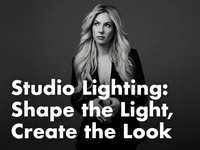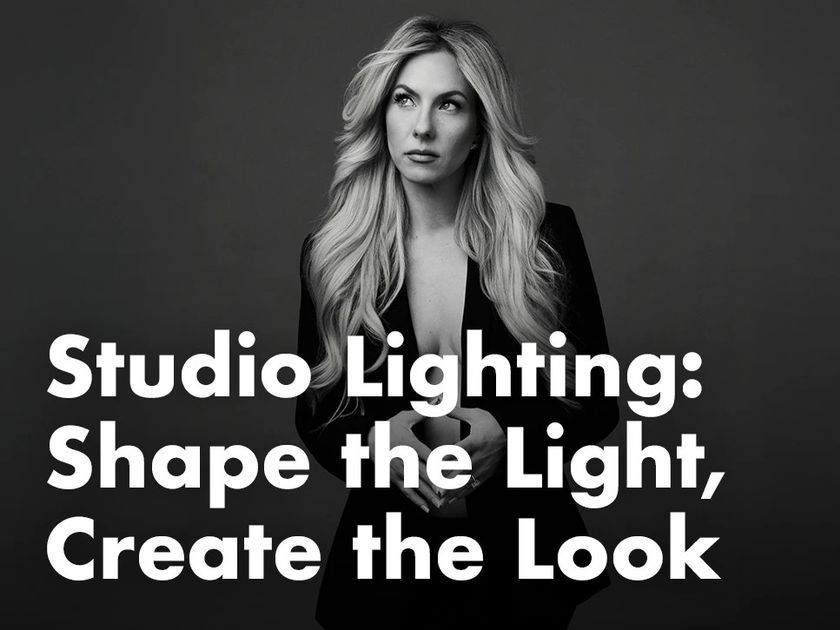


Take the guesswork out of studio lighting and learn how to confidently build professional-looking portraits using simple, repeatable lighting techniques. This hands-on workshop will help you understand why a lighting setup works—not just where to put the lights—so you can recreate great results in your own studio or shooting space.
Whether you're working with one light or building a multi-light setup, you'll learn how to control the direction, quality, intensity, and contrast of your light to create flattering and intentional portraits. Through demonstrations and practical instruction, you'll see how small changes in light position, modifier choice, and exposure can completely transform the look of an image.
What You'll Learn
- Build easy-to-replicate lighting setups and understand the specific job each light is doing.
- Choose the right modifiers, including softboxes, umbrellas, reflectors, and bounced light, and see how each one changes the quality and shape of light on the face.
- Control key-to-fill ratios to create everything from soft, natural-looking portraits to more dramatic and dimensional lighting.
- Simplify your camera settings so you can spend less time worrying about exposure and more time directing and connecting with your subject.
- Create flattering light for every skin tone, with attention to exposure, contrast, and clean, natural-looking catchlights.
- Understand light placement and falloff so you can control how quickly light changes across your subject and background.
- Troubleshoot common studio lighting challenges, including glasses glare, harsh shadows, hot spots, uneven exposure, and muddy or distracting backgrounds.
- Learn how to separate your subject from the background using light, distance, exposure, and positioning.
- Develop go-to lighting recipes that you can easily recreate for headshots, portraits, personal branding, and creative studio work.
By the end of the workshop, you'll have a practical understanding of studio lighting and a collection of reliable setups you can take with you to your next shoot. Instead of memorizing complicated diagrams, you'll learn how to see the light, make adjustments, and create the look you want with confidence.