- Sections :
- Crime & Public Safety
- Restaurants & Food
- Sports
- More


MONTGOMERY COUNTY, TX -- As families across Montgomery County prepare to honor veterans this Veterans Day, consumer advocates are reminding local veterans and their families to stay alert: scammers frequently use the promise of government benefits as bait.
Fraudsters have been known to pose as representatives of the U.S. Department of Veterans Affairs, reaching out to veterans with offers to help them file claims for benefits — for a price. Others send convincing but counterfeit notices telling veterans they were accidentally overpaid and must return the money immediately. In both schemes, the goal is the same: to trick veterans into handing over personal information, account credentials or cash.
Experts emphasize that the warning signs are consistent across these scams, and knowing a few basic facts can keep a veteran's money — and identity — safe.
Free means free
The most important rule for veterans navigating the benefits process: applying for VA benefits costs nothing. The VA does not charge fees to submit a claim, and no legitimate helper will ask for upfront payment to file one. Veterans who encounter anyone promising guaranteed approval, expedited processing or "secret" benefits no one else knows about should treat the offer as a red flag. Eligibility decisions are made exclusively by the VA — no third party can influence or speed up that determination.
Veterans who want assistance with a legitimate claim have safe options. Accredited representatives and recognized Veterans Service Organizations provide help at no cost, and their credentials can be confirmed before any paperwork begins.
Don't pay a debt you don't owe
The second common scheme involves phony debt notices. A veteran receives an official-looking letter, email or phone call claiming they received more in benefits than they were owed and must repay the balance — often under pressure and on a tight deadline.
Rather than responding to the notice, veterans should confirm any alleged debt themselves by signing in to their account at VA.gov, the department's official website. Outstanding balances, if they exist, can be reviewed and managed there as well, including setting up repayment plans or requesting waivers. The VA provides this assistance free of charge; anyone demanding a fee to "resolve" a debt problem is not acting on the VA's behalf.
Guarding account access matters just as much. Login credentials should never be shared with anyone who calls, texts or emails unexpectedly — even if the person claims to be from the VA or another government agency.
Where to learn more
Veterans and their families who want current information on fraud trends can visit MilitaryConsumer.gov, which publishes ongoing scam alerts, and VSAFE.gov, a government resource covering military-related fraud and how to report it.
For veterans on fixed incomes, the stakes of these schemes can be especially high — a single drained account or stolen identity can take months or years to recover. Consumer groups advise sharing these reminders with older relatives and neighbors, particularly homebound veterans, who are frequent targets.
Veterans who would rather verify information with the VA in person have two outpatient clinics nearby. The Conroe VA Clinic is located at 690 South Loop 336 West, Suite 300, and can be reached at 936-522-4000. The Tomball VA Clinic is at 1200 West Main Street in Tomball; its main number is 281-516-1505. Both clinics can help veterans confirm whether a benefits communication is legitimate.
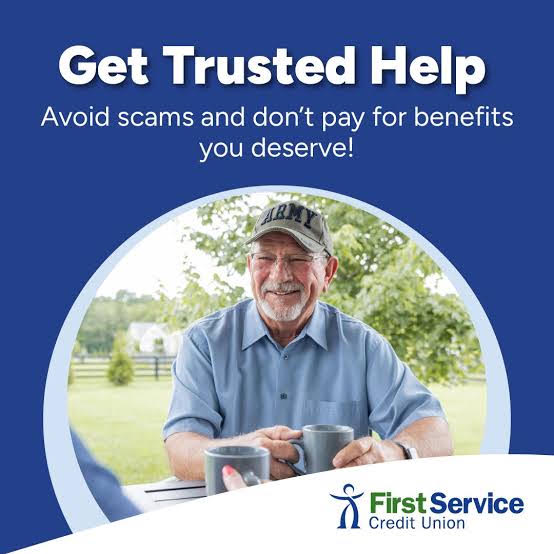
The consumer alert was issued by First Service Credit Union as part of its Veterans Day outreach.