- Sections :
- Crime & Public Safety
- Restaurants & Food
- Sports
- More


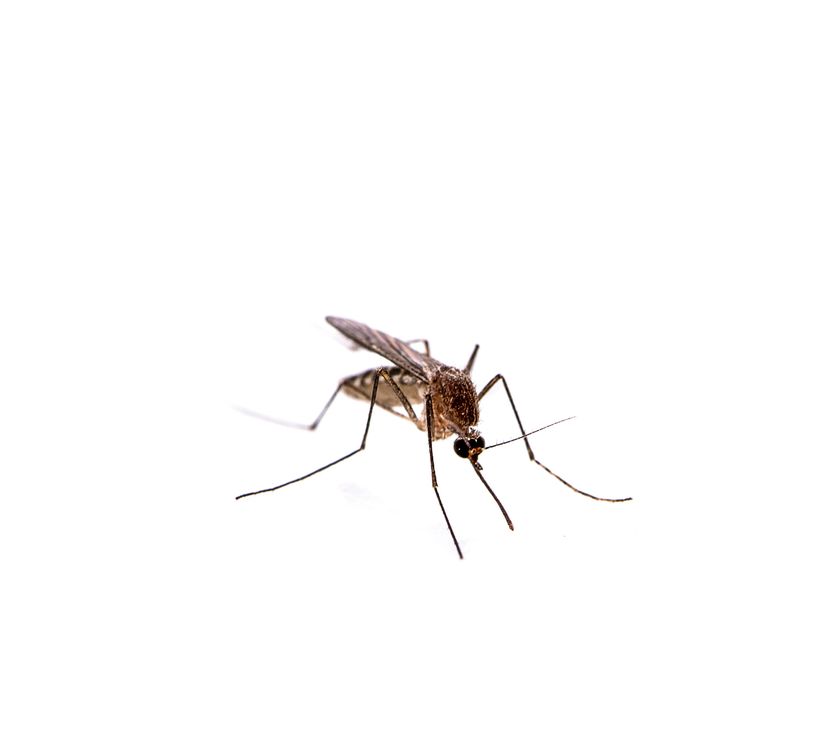
MONTGOMERY COUNTY, TX -- The Montgomery County Public Health Department has received confirmation from the Texas Department of State Health Services of the first case of West Nile Virus in a resident of Montgomery County for 2026. The resident, a woman in her 50s, resides in the 77355 zip code and was diagnosed with West Nile Virus neuroinvasive disease.
Mosquito season started in May and typically lasts until the end of October. According to the CDC, the most effective way to avoid West Nile Virus is to prevent mosquito bites. Avoid bites by using insect repellants registered with the Environmental Protection Agency, wearing protective clothing when outdoors and removing standing water outside of your home. Standing water creates breeding grounds for mosquitos, where they can lay their eggs and reproduce.
West Nile Virus can cause serious disease and is most commonly spread by infected mosquitoes. People typically develop symptoms between 2 and 14 days after they are bitten. According to the CDC, approximately 80 percent of people who are infected will not show any symptoms at all, but there is no way to know in advance if you will develop the illness.
Milder symptoms include fever, headache, body aches, joint pain, vomiting, diarrhea, or rash. Most people with mild illness recover completely, but fatigue and weakness can last for weeks or months.
Serious symptoms that account for less than 1% of those infected can include high fever, headache, neck stiffness, disorientation, tremors, seizures, paralysis, or even death. These symptoms can last for several weeks and neurological effects may be permanent.
Currently there are no medicines or vaccines available to treat West Nile Virus. People with severe illness often need to be hospitalized to receive supportive treatment, such as intravenous fluids, pain medication, and nursing care.
If you think you have developed symptoms of West Nile Virus, seek medical attention immediately. The majority of milder WNV illnesses improve on their own.
For more information on WNV, please visit the CDC at https://www.cdc.gov/west-nile-virus/prevention/index.html and https://www.cdc.gov/vector-borne-diseases/prevention/index.html
Our partners at Montgomery County Mosquito Control and The Woodlands Township both conduct trapping and surveillance of mosquitoes for disease. Mosquito species collected are identified and tested for mosquito-borne diseases, like West Nile Virus. The Montgomery County Mosquito Control Program surveys areas of where positive samples are found to look for any mosquito breeding sites in the county right-of-way on public property, and conducts treatment activities.
If you are concerned about any mosquito issues, you may call Montgomery County Mosquito Control at 281-364-4203 and help identify sources of mosquitos in the local area, including your property.
For additional information on Montgomery County Mosquito Control Program, visit https://www.mctx.org/mosquito.
For additional information on The Woodlands Township Mosquito Surveillance, visit https://www.thewoodlandstownship-tx.gov/Departments/Environmental-Services/Mosquito-Information.
Montgomery County Mosquito Control’s Treatment map can be found here: https://moco.maps.arcgis.com/apps/dashboards/307791b931114517a37e906c3471610e.
Montgomery County Public Health’s mission is promoting a healthy, resilient community through health education, disease prevention, clinical services, and emergency preparedness. For more information, please go to www.mcphd-tx.org.