- Sections :
- Crime & Public Safety
- Restaurants & Food
- Sports
- More


OPINION
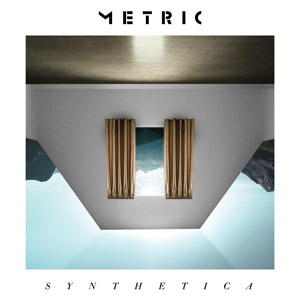
In Metric’s fifth studio album “Synthetica,” their new wave sound has culminated into a somber composition of synth-pop euphonies peppered with the contemplative vocals of front woman Emily Haines.
As the title hints, the album reflects upon the conflict of what is real and what is synthetic, offering a haunting glimpse into the future of our ever changing society – or rather – how Metric perceives it to be. Consisting of 11 tracks and 43 minutes of music, the group’s newest creation stays true to its indie rock roots while simultaneously toying with the burgeoning field of synthesized music.
Metric’s body of work has always been notable for its constant evolution of themes. Their 2009 release “Fantasies” can be characterized by its romantic, dream-like quality whereas 2005’s “Live It Out” embraces a jarring, high-paced feel that could almost be described as post punk revival. On “Synthetica” however, a decidedly sinister and ominous feel permeates throughout, delivering an album that proves to be critical of the effect that consumerism and technology have had on the west. As Haines puts it, “[Synthetica] is almost this character, this sort of nightmarish person that we would all recognize, where you ask yourself, ‘Is that person actually still human? Or have they eliminated all their flaws to the point of being sort of a robot?’”
“Synthetica’s” first track, “Artificial Nocturne”, begins with a wall of synthesized sound that serves as the backdrop for Haine’s eerie, declarative vocals before transitioning into an upbeat midsection fueled by a thumping bass drum and wailing electric guitar. The song is an accurate taste of what the majority of Synthetica has to offer; guitar laced synth-pop with a slight preternatural twist.
Released as the album’s first single, the record’s second track, “Youth Without Youth”, is structurally the same throughout. Based around a central, repeated guitar riff, the track benefits from Haine’s enthralling word choice and parlance, entrancing the listener in a wave of synth-pop gold. The melody is sure to stay in one’s head long after he or she is finished listening, and makes for a catchy indie summer anthem.
Another track worth noting is “Breathing Underwater”, which might take a few listens to appreciate, but in the end shines with its powerful chorus and climactic buildup, proving to be one of the record’s standout tracks. If any of the songs on Synthetica have what it takes to become a commercial hit, it’s this one.
“Dreams So Real”, the fifth track on the album is, in my opinion, the biggest disappointment on Synthetica. Suffering from lyrical monotony and an underuse of instruments, the track doesn’t belong on the album at all, soliciting a skip rather than a listen.
The next three songs, “Lost Kitten”, “The Void”, and the titular track, “Synthetica” keep the album moving, the latter proving to be another standout on the record. Its powerful lyrics and passionate melody paired with a tremendous climax adds up to an extremely well-crafted pop tune.
Track 10, “The Wanderlust”, is an overdone, crystallized mess; as its supposed;y strongest asset proves to be its greatest weakness – Lou Reed’s backing vocals. Haines seems to almost revert in to a state of hero worship during the song that detracts from her overall performance, and Reed’s weak vocals aren’t enough to hold it together…still, it was an interesting fusion of talents.
“Synthetica” concludes with the slow, soft, and typical, “Nothing But Time”, which proves to be just another song on the record, and fails in terms of finishing everything off with a bang. While Synthetica is not as impressive as its predecessor, “Fantasies,” it is still a solid body of work and is sure to please more than just Metric fans.
Three and a half out of five stars.