- Sections :
- Crime & Public Safety
- Restaurants & Food
- Sports
- More
Categories


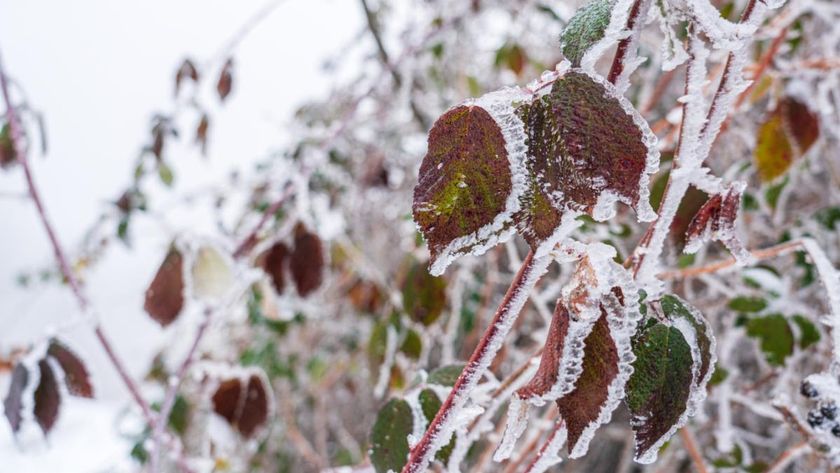
THE WOODLANDS, TX -- The current forecast from the National Weather Serivce calls for freezing temperatures beginning late Saturday night and extending through early Tuesday morning. Take steps now to protect your home and landscape, and double-check your your leak notifications in WaterSmart at woodlandswater.org/watersmart/.
For the Home
Prior to Freezing Weather
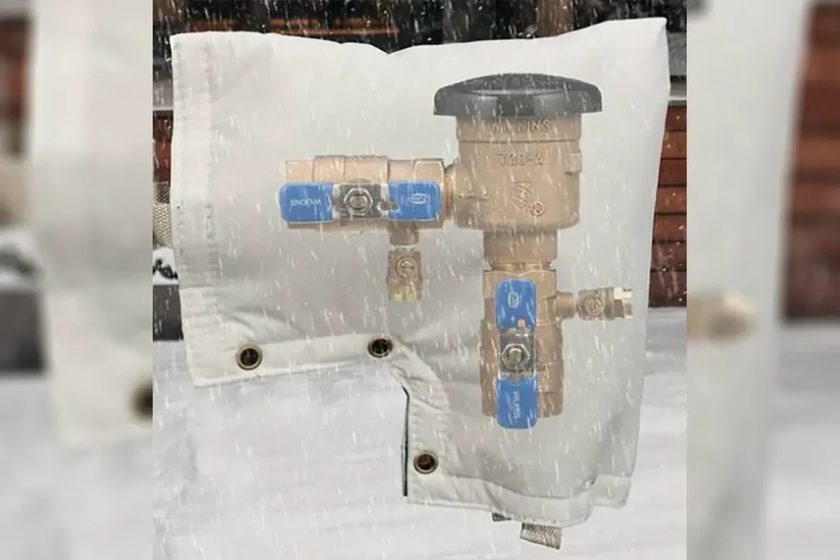
- Drain and winterize your irrigation backflow preventer. Avoid costly repairs and disruption in your water service. Learn how to perform this simple but essential step at woodlandswater.org/winterizing-your-sprinkler-system-irrigation-system-backflow-freeze-prevention/.
- Insulate exposed pipes. Insulate pipes in unheated and drafty areas, such as an attic or garage. Hardware stores carry insulation to help keep pipes from freezing. Also, check manufacturer recommendations for your water heater.
- Locate your water main shutoff valve and make sure it works. Shut off valves are critical for stopping the flow of water in an emergency (the first step in responding to a leak). Before it freezes, locate your home’s main water shutoff valve and turn it on and off to ensure it works. Shutoff valves are commonly found on either an interior or exterior wall of the home.
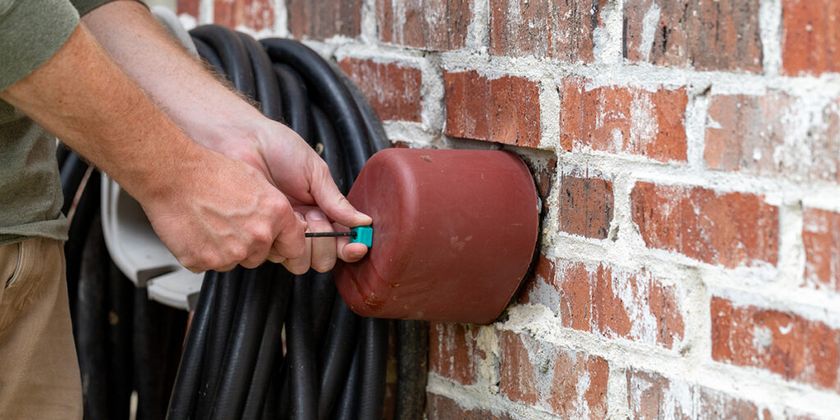
- Prepare outside faucets. Remove all connected hoses and wrap faucets with towels or install Styrofoam insulators.
- Prepare before leaving town. If you plan to be away during the freeze, turn your water off at the house main water shutoff valve, open faucets to drain water and leave them open, open cabinet doors below all sinks, and set your thermostat to 65 degrees or higher. Be sure you're signed up for leak alerts from WaterSmart so you don't come home to a disaster.
During Freezing Weather
- Slow drip your faucets. For prolonged freezes The Texas Department of Insurance recommends allowing outdoor spigots to drip slowly. At night, let indoor faucets drip slowly from hot and cold.
- Keep the thermostat at room temperature, day and night. Avoid turning down at night (the higher energy bill will be much cheaper than repairing frozen pipes).
- Protect indoor faucets. Open cabinet doors beneath kitchen and bathroom sinks to allow warm air to circulate around pipes. Be sure to remove any toxic substances located in these cabinets if there are children or pets around.
- Keep interior doors open. Do not isolate rooms by closing doors. This can make those areas more likely to freeze.
- Keep garage doors closed. This will help retain heat.
- Run pool pump or place in "antifreeze" mode if available.
- Bring pets inside!
- Be ready for an emergency. If pipes freeze, turn off water at your home's main water shut-off valve to prevent pipes from leaking into the home after they thaw. Do not shut water off at the meter box.
Contact Woodlands Water at (855) H20-SAVE (436-7283) if you need assistance shutting off your water during an emergency.
For the Landscape
Prior to Freezing Weather
- Mulch. Apply 3-4 inches of organic mulch (such as straw, leaves, or bark) around the base of plants. Mulch helps insulate the soil and retain heat.
- Water. Water plants thoroughly before a freeze. Moist soil retains heat better than dry soil, protecting plants roots. Be careful to not to overwater to avoid root rot. Water early in the day so the soil has time to absorb moisture before temperatures drop.
- Cover. Use old blankets, burlap, or even inverted buckets or pots to cover vulnerable plants. Make sure the cover extends to the ground to trap the heat radiating from the soil. Plastic works, too: just be sure to remove it during the day to avoid overheating.
- Install Windbreaks. Wind can maginfy the effects of cold temperatures. Install temporary windbreaks, such as burlap or plastic barriers, on the windward side of vulnerable plants to reduce the impact of cold winds.
- Move Potted Plants. Potted plants are more susceptible to freezing temperatures. Where possible, move potted plants indoors or to the garage. Cover if too large to move.
* Plan for future freezes by selecting native plants for your landscape. They tolerate extreme weather - winter and summer - much better than non-natives.
After a Freeze
- Water plants. After a freeze, especially on a sunny day, plants can dry out because the water in the soil or is frozen. Watering plants also helps thaw the soil.
- Prune with caution. After a freeze, you can remove dead leaves once they turn brown. Wait to do any severe pruning until new growth appears and the there is no risk of additional freezes. Dead branches offer important protection during subsquent freezes.
- Be certain before replacing “dead” plants. Some plants take longer to show signs than others after a freeze. Wait a couple months into the growing season before assuming a plant is dead. Large shrubs and trees may take even longer. Consult an arborist before removing a tree.

Comments •

More From: Woodlands Water (39)
Woodlands Water puts transparency front and center with water renewal efforts
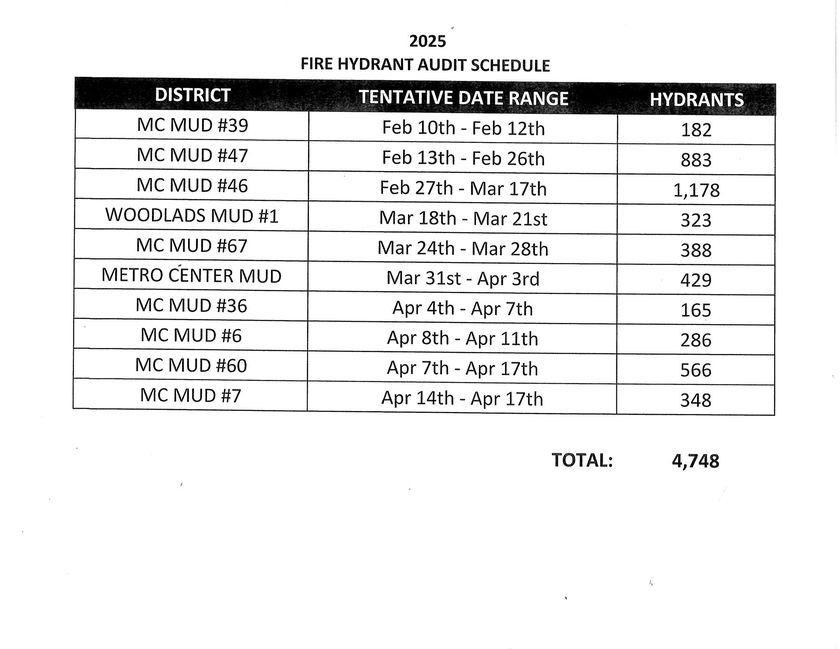
The Woodlands Water Agency to Begin Water Distribution System Flushing

Woodlands Water offices closed Tuesday, January 21. Will reopen at noon on Wednesday, January 22
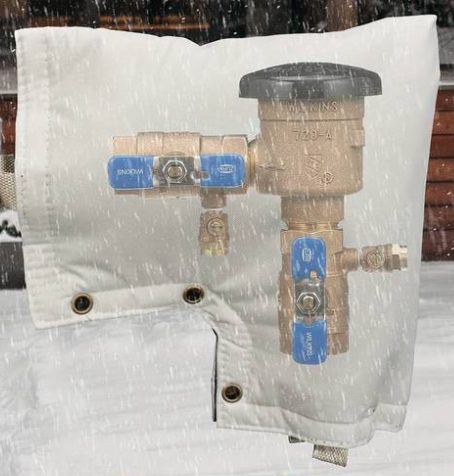
Woodlands Water has some tips on protecting yourself before, during, and after the temperature drops
It’s time to winterize your irrigation system
The Great Thanksgiving Flush

Woodlands Water announces new deputy general manager

Woodlands Water releases results of Water Renewal Survey
Woodlands Water encourages local residents to mark ‘Imagine a Day Without Water’ Oct. 17

Woodlands Water Launches Major Initiative to Revitalize Water Infrastructure

Spring Creek Flood Control Dams Feasibility Study Public Meeting No. 2
Woodlands Water to Conduct Smoke Testing in The Woodlands
Related News: Utilities & Public Services
Freeze Warning Issued Throughout Texas: Woodlands Water Urges Residents to Protect Homes, Backflow

Entergy Texas encourages customers to make final preparations and stay connected before winter weather impacts Southeast Texas

Entergy Texas prepared for winter weather, urges customers to stay informed and prepared

Entergy Texas helping customers stay warm and save money with energy efficiency tips and resources
