- Sections :
- Crime & Public Safety
- Restaurants & Food
- Sports
- More


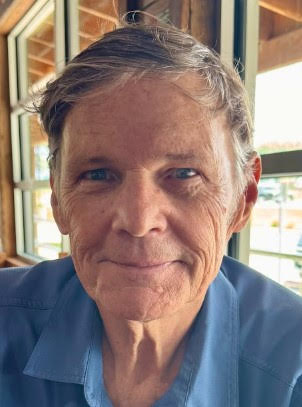
MONTGOMERY COUNTY, TX -- This week’s veteran is Ben Ratliff, who served in the U.S. Air Force from November 1982 to April 2002. Ben’s journey from a Texas farm boy to a world-traveling military aviator reached its pinnacle when he first laid eyes on the C-5 Galaxy. The C-5 is the U.S. Air Force’s largest plane with a maximum payload of nearly 128 tons of cargo. While he began his career as a pilot of the C-130 (only 23 tons of cargo) at Yokota Air Base in Japan, it was the sheer scale of the C-5 transport aircraft that captured Ben’s heart.
After eight years of active duty, he joined a reserve C-5 unit in San Antonio, Texas and headed to Altus, Oklahoma, for five months of intensive pilot training. Under the guidance of seasoned instructors, Ben mastered the aircraft he would fly for the next 15 years as a pilot, instrument pilot, and evaluator.
The aircraft that defined Ben’s career is a titan of the skies, though its reputation among crews is captured in its unofficial nickname: FRED. Standing for "F-ing Ridiculous Economic Disaster," the name is a nod to the C-5’s $100 million price tag and notoriously high cost of maintenance. Despite the moniker, the C-5 remains the undisputed king of cargo. Stretching 247 feet long, the plane features a hydraulic nose that swings upward and landing gear that can "kneel" to the ground, allowing tanks and up to six Blackhawk helicopters to be driven directly into its belly.
During his service, Ben’s skills were tested in some of the world's most volatile regions. While flying humanitarian missions for the United Nations in Africa, he witnessed the gravity of global crises firsthand. In Rwanda, he landed a C-5 loaded with water purification units and medical supplies while half a million refugees lined the surrounding hills, with cholera claiming 1,500 lives daily.
In Zaire, the mission took a dangerous turn when armed gunmen surrounded his aircraft upon landing, demanding a $10,000 "landing fee." Through tense negotiations, Ben successfully de-escalated the situation, eventually settling the "debt" with the plane’s supply of water and MREs. His ability to bridge military branches was further evidenced by his work with the Army’s 75th Reserve Division on "no-notice" deployment evaluations, earning him the Army Commendation Medal—a rare honor for an Air Force liaison.
As Ben’s military career transitioned into the reserves, his life in the cockpit continued in the civilian sector. He joined Northwest Airlines, eventually retiring in 2007 as a seasoned captain with 7,000 flight hours. He then spent 12 years sharing his expertise as a safety instructor for the Federal Aviation Administration (FAA).
However, it was his final chapter in aviation that Ben found most rewarding. Working for Air Methods, the nation’s largest helicopter and fixed-wing medical transport company based in Denver, Colorado, Ben spent several years ferrying patients to critical care across Colorado, Iowa, San Diego California, and Pensacola Florida. When the COVID-19 pandemic hit, he was on the front lines, flying 14-hour days, seven days a week. Ben says it was "hugely purposeful work" that offered an immense sense of contribution during a global crisis.
Today, Ben is settled with his wife and two grown children, reflecting on a career that took him to every continent on Earth except Antarctica. From the dirt rows of a Texas farm to the cockpit of the mighty C-5 Galaxy, Ben’s military service and career is a testament to where a dream and a love for flight can take you. Good luck Ben and thank you for your service! Congratulations on being Veteran of the Week.