- Sections :
- Crime & Public Safety
- Restaurants & Food
- Sports
- More


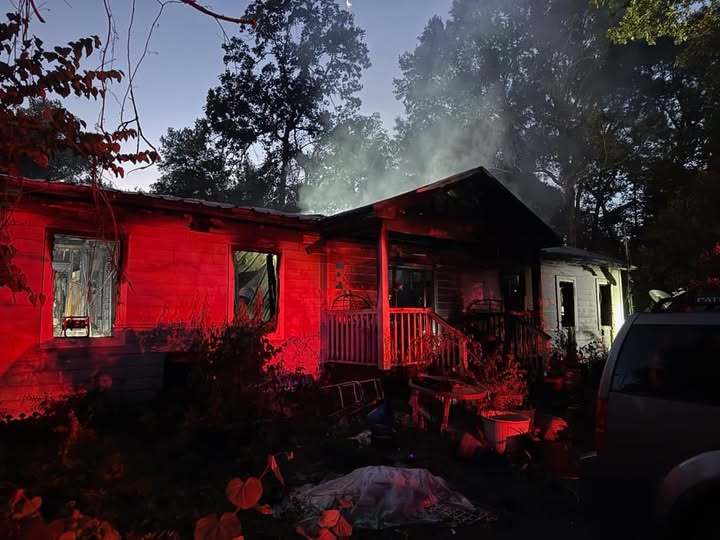
WILLIS, TX -- Early Thursday morning, residents in the 14000 block of Cedar Lane Loop called 911 to report that a home was on fire in their northeast Montgomery County neighborhood. Firefighters from the nearby Montgomery County ESD 1 Fire Station soon arrived to find the home engulfed in flames. Firefighters worked to bring the fire under control and searched for the lone occupant, reported by neighbors to be a 78-year-old female who lived alone. A female victim was found deceased in the kitchen near the rear of the home.
MCFMO Fire Investigators responded to the scene to begin an investigation. They were joined at the scene by the Montgomery County Medical Examiner’s Office. While the investigation into the cause of the fire is ongoing, early indications are that the home did not have any working smoke alarms. Initial autopsy results confirm that the victim suffered from significant smoke inhalation and likely succumbed while attempting to flee the burning home. Investigators are working to confirm the victim’s identity at this time.
Older Adults More Likely to Die in Home Fires.
During 2019–2023, an estimated annual average of 2,600 civilians died and 10,770 were injured in reported US home fires. According to statistics compiled by the U.S. Fire Administration and the National Council on Aging, Seniors over the age of 65 are up to 4 times more likely to die in a home fire than the general population, with about 930 deaths annually.
Common Factors in Fatal Home Fires Involving Seniors
Delayed discovery of a growing fire due to the lack of working smoke alarms and limited mobility are a deadly combination when fire breaks out in a home with elderly occupants. Our most vulnerable residents grew up in an era where homes were not equipped with smoke alarms and many still live in older homes that don’t have any alarms, or the alarms no longer function due to missing batteries or malfunction. Typically, smoke alarms should be replaced every ten years and batteries should be checked on a regular basis. Research by the National Fire Protection Association shows that when working smoke alarms are present, the risk of dying in a home fire is cut by 60 percent.
What Can You Do to Protect Elderly Family, Friends, and Neighbors?
-
Ensure that every bedroom, hallway and sleeping area in their home is equipped with a working smoke alarm.
-
Test their smoke alarms on a regular basis and replace conventional batteries annually.
-
Check the expiration date of any existing smoke alarms and replace them per manufacturer’s recommendations.
-
In homes with expired or missing smoke alarms, install new long-life smoke alarms in every bedroom, hallway, and sleeping area.