- Sections :
- Crime & Public Safety
- Restaurants & Food
- Sports
- More
From Scars to Strength: Houston Methodist The Woodlands’ ScART Event Celebrates Healing and Hope


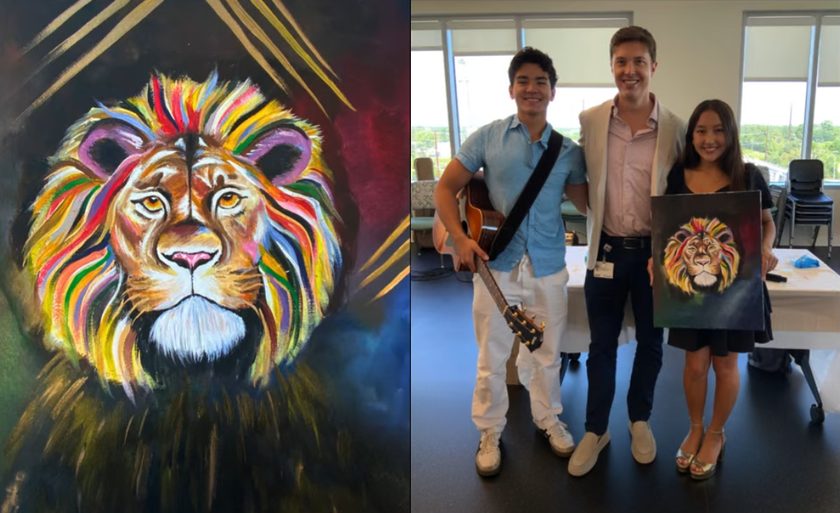
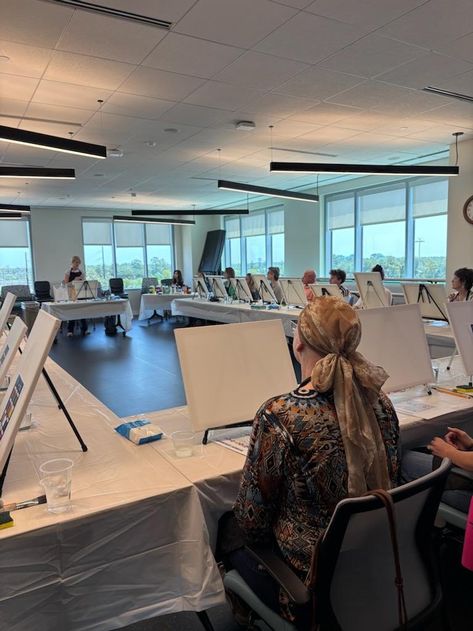
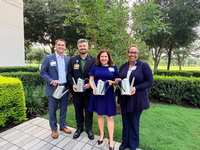
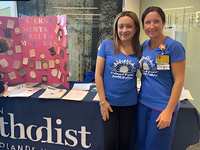
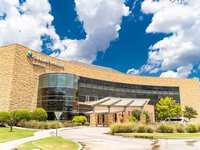
THE WOODLANDS, TX – The Institute for Reconstructive Surgery at Houston Methodist The Woodlands, led by Dr. Albright and Dr. Gordon, successfully hosted its 5th ScART event on Saturday afternoon, August 22nd.
ScART is an emotional support program created by Lisa McKenzie, Founder of You Night Empowering Events in 2013, designed for anyone who has scars seen or unseen, from surgeries, radiation therapy, accidents, and emotional wounds.
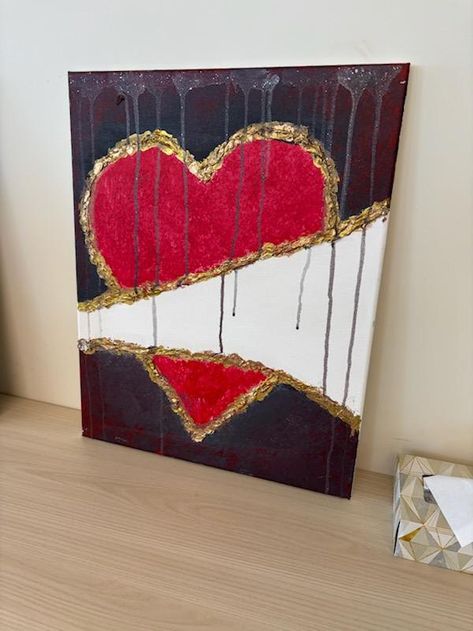
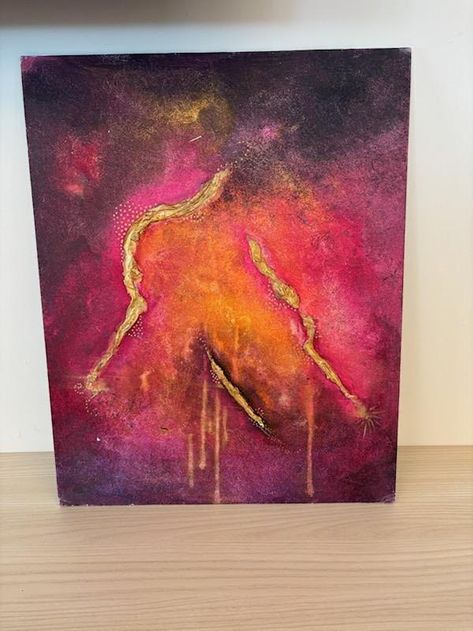
At the event, cancer patients and survivors duplicated their scars on canvas, then added artwork integrating and surrounding these scars. At the end of the event, the participants were offered an opportunity to share their art pieces and their cancer journey.
“The ScART program brings together a community of survivors who feed off each other’s strengths and celebrate each person’s stories of survival. Some people are proud of their scars and wear them like a badge of honor, while others hide – or try to hide – their scars because of the shame they feel. ScART empowers participants to support each other so that as individuals they can see their scars as a symbol of strength and the body’s remarkable ability to heal itself and renew,” said McKenzie.
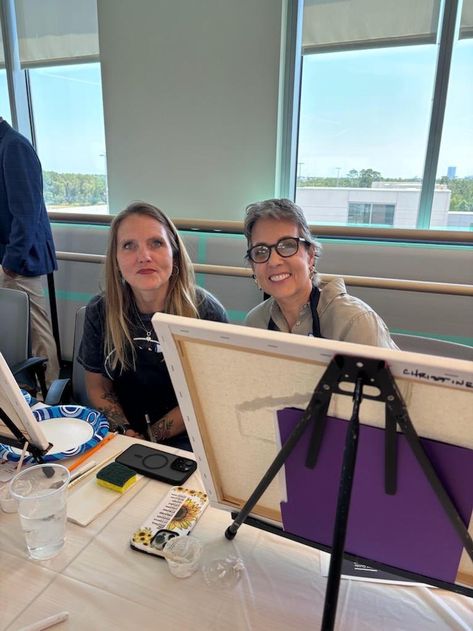
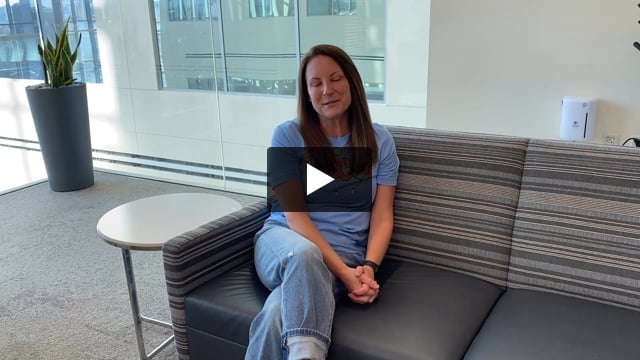
Woodlands Online talked with ScART participants Linda R. and Nikki C.
Linda, tell us a little bit about your story and your journey.
My story actually started two years ago when my sister was diagnosed with cancer and I came to this event back then as her caregiver. Then I got diagnosed this past February with a different kind of cancer than she has. She didn’t have to have chemotherapy; I did. My journey started better than hers because I already had my doctors lined up from being with her at every appointment. I knew I was having those same doctors no matter what. That’s how my journey started. It was a different journey than hers, but it was the same journey as far as doctors; it's all part of that Houston Methodist team.
Where are you in your cancer journey?
I just finished chemotherapy three weeks ago, having dealt with twelve weeks of that. And I am still on a herceptin journey until the end of October. I still have my final reconstruction surgery to do with Dr. Gordon. And then it is back to... Well, I don't know what normal will be after this, but it’s back to life. The best life I can do.
So what is your perspective on life now? Has it changed from before?
It hasn’t changed. It's just… so I say to my adult grown boys, this is my fighting year and my healing year. And next year, it's game on again.
What has this event meant for you?
Well, it's definitely different this year this time versus when I was here before with my sister. The perspective is different. So as the actual cancer survivor, I came into this event knowing exactly where the scars are. This is a very great event. It helps with the healing process, as a caregiver as well as the patient. Plus, you can tell people your story. And the staff like Dr. Albright learn things about us by us sharing things with the pictures that they may not otherwise get to know. It’s nice to connect with other women too, seeing the stages of their progress, because you now know, okay, they're a little bit further along.
Nikki C. found out that she had breast cancer through a routine mammogram. Access to previous radiology images helped diagnose her cancer in the very early stages, making her journey easier than many other breast cancer diagnoses. Nikki is now cancer free, healing physically and emotionally from her journey.
Nikki, what would you like to share with us about your breast cancer diagnosis?
When you hear the words, 'You have cancer,' the fear, the confusion, and quite frankly, the stark loneliness that occurs, the emotional piece of it, is a difficult journey in that respect. I just focused solely on the physical part of the healing and how do I get this out of me? How do I heal? How do I become cancer-free? You blindly trust your body, and then when it's broken it's a challenge.
What does participating in the ScART event mean to you?
The ScART event really has given me an opportunity to look at the positive side of my journey. It exacerbates the meaning for me of courage, love, support, compassion—things that are taken for granted. There are homework assignments and things when you prepare for this event. It goes beyond painting. I wasn't expecting to experience the emotional piece of of this journey. Like Dr. Albright said, when you're in clinic, there's really not a lot of room for emotion, and we're focused on the next steps of the treatment plan. When you are on the backside of it, and your body gets to exhale, you're like, "Wow, I went through a lot."
As you reflect on your journey, what have you discovered about yourself?
Gosh, there's really a lot. Dare I say, the pure value of my own courage and strength.I learned a lot of humility. I've always been the one doing for everybody else. It was hard to ask for support and help, but I did it. Yeah.It's kind of cliche, but you don't really know your own strength until you need it.
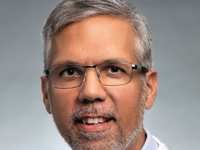
Linda and Nikki, like the other participants of the event, are patients of Dr. Steven Albright and Dr. Steven Gordon. During the event, musical performances were offered by Dr. Albright's children, both students from the Sarah Kelly School of Music. Woodlands Online sat down with both doctors to discuss the event.
Tell us a little bit about your patients. Are they generally breast cancer patients and survivors? Or are other forms of cancer present?
Gordon – Our patients generally either have or had breast cancer, or they have a genetic disposition of breast cancer; that’s the majority that are coming through. And so breast reconstruction is offered to them, which wasn't as readily available in the past and wasn’t promoted as much. Now there is a lot more emphasis on kind of closing the loop of breast cancer care and having that reconstruction process. And so we offer all of that up here in The Woodlands, where we have a great support system in place from day one with diagnosis through any kind of other treatment, whether it be medical oncology, chemotherapy, or radiation, to lumpectomy or mastectomy, and then reconstruction with us.
How soon after they've had a mastectomy, do they go into reconstruction?
Albright – The timing is variable. It’s preferable for them upon meeting with a breast surgeon and deciding whether to undergo lumpectomy or mastectomy, and then be referred to plastic surgery before the major surgery has happened. Because we would prefer to be able to offer them immediate breast reconstruction at the same time. Typically the outcome is going to be better, meaning less obvious that it is a reconstructed breast, potentially in some cases looking like a breast that’s never been touched, with very well-hidden and well-healed scars. But we can’t offer that if someone has previously had a mastectomy and is coming to us for delayed breast reconstruction, sort of after the fact. We have fewer options. We can still oftentimes deliver a breast reconstruction, but it’s not going to look nearly as good as if we had been able to address it at the beginning.
Gordon – We have great nursing navigators that kind of help guide the patient from start to finish. And so oftentimes it starts with a diagnosis – so that’s a mammogram or ultrasound biopsy – and then meeting with the medical oncologist, surgical oncologist, and then the plastic reconstructive surgeon. Then we kind of get together as a group and we have weekly multidisciplinary press conferences. We discuss the patients and individualize the care for each patient, and then kind of set up a treatment plan so that we can get that ball moving forward. Everyone’s process is a little different, but we’re all kind of involved in that discussion. They can stay all here on the same building, same kind of floor, same operating room area, versus kind of moving around different locations, which is oftentimes in the city or other places where patients have to bounce around. This is a lot easier to schedule appointments and have continuity of care.
Is this unique to Houston Methodist or is it other locations?
Albright – There are certainly other high volume places. that have all the departments in close proximity. But even at MD Anderson, when we were training, you’d have to go on a golf cart to drive from one building and cross another.
Gordon – And a lot of times you can’t choose your own surgeon at those places, because they coincide maybe with days that they operate together, and it’s not really up to the patient’s choice, where there’s a lot more choice in the matter here. We’ve created a good team that we all kind of trust each other, and so that way we're able to kind of streamline the process, and that just makes it a lot easier for patients that are already dealing with a lot of emotional, taxing event of this cancer and helping them just get through this process.
Tell us about this ScART event you’re hosting.
Albright – We’ve been doing it for five years; we do it once a year around this time and try to invite mostly women that have gone through the whole process, but there are some that are currently still in process, have some more surgeries that they’re anticipating. It’s unique in that they also get to bring a significant other, whether it be a spouse or some other caregiver that can also participate in creating the art, in sharing their feelings and sharing their experience through the whole process. And it helps the patients and their loved ones vocalize things that they may not have been able to vocalize before through the visual aid of art, but also just by being in the environment that’s so open. Once one person shares and another shares, someone may be compelled to go ahead and share their story as well. And that’s what I think is so unique about this program and why we continue to do it.
Gordon – This just gives them a very warm, relaxing environment to have a cathartic experience with everyone in the room. And it’s definitely rewarding for us that they share and that we see them a lot during this process. It’s just very humbling and rewarding to be there and then to listen to their story from their perspective or their caregiver’s perspective as well.
As the afternoon came to a close, the canvases told stories that words alone could not always express. Each scar represented a different journey — one marked by fear, treatment, surgery, survival, healing, and hope. Through art, conversation, music, and the support of others who understood the journey firsthand, participants were given an opportunity to see their scars not simply as reminders of what they had endured, but as symbols of strength and resilience.
For Linda, whose “fighting year and healing year” continues, the ScART event offered a moment to reflect on how far she has come while looking ahead to the life still waiting for her.
For Dr. Albright, Dr. Gordon, and the team at the Institute for Reconstructive Surgery at Houston Methodist The Woodlands, the annual event is also a reminder that caring for patients extends beyond surgery and medical treatment. By creating a space where patients, survivors, and caregivers can share their experiences and connect with one another, ScART continues to help transform scars — both seen and unseen — into powerful stories of healing, courage, and hope.