- Sections :
- Crime & Public Safety
- Restaurants & Food
- Sports
- More


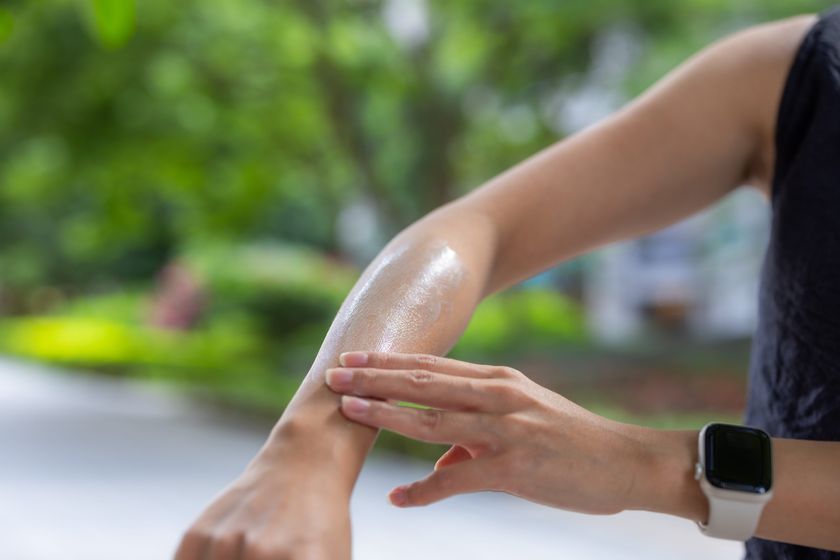
THE WOODLANDS, TX -- As summer heats up and UV rays surge, Houston Methodist dermatologists warn skin cancer, the nation’s most common cancer, according to the CDC, is still on the rise.
“People often think they’re doing enough to protect their skin, but we see the consequences of missed spots, improper application and inconsistent use every day,” said Dr. Sonal Parikh, dermatologist and skin cancer (Mohs) surgeon. “As someone who diagnoses and treats thousands of skin cancers yearly, I can tell you these small mistakes can add up over time.”
Despite sunscreen trending on social media, Parikh says the common mistakes include: ▪ Not reapplying every two hours
▪ Missing areas like the scalp, ears, neck, hands and feet
▪ Relying on makeup with SPF as full protection
▪ Skipping sunscreen on cloudy days
But Parikh said one of the biggest misconceptions is that people who tan don’t need sunscreen.
“A lot of people think if they tan, they’re in the clear – but that’s not true,” Parikh said. “Skin cancer can happen in any skin type. I’ve treated patients from all backgrounds, and skin cancer does not discriminate.”
She added that SPF in makeup alone isn’t enough.
“The amount of makeup you’d need to actually reach the SPF on the label isn’t realistic for everyday use,” Parikh said. “It’s best to start with a moisturizer that contains sunscreen, then layer makeup on top.”
From walking the dog to sitting in traffic, sun exposure often lasts longer than expected, she said.
“We’ve all stepped outside thinking it’ll just be a few minutes, and then it turns into much longer,” Parikh said. “That’s why I recommend wearing sunscreen daily on areas like your face, neck and hands.”
To protect skin Houston Methodist dermatologists recommend:
▪ Use a broad-spectrum sunscreen with SPF 30 or higher
▪ Apply 20 minutes before going outside
▪ Use enough — one fluid ounce for the body
▪ Reapply every two hours, or more often if sweating or swimming
Sunscreen is just one part of a bigger protection plan, Parikh said, noting that wide-brimmed hats, sunglasses and seeking shade during peak afternoon sun hours can make a big difference.
With Houston’s high UV levels, dermatologists say sun protection should be a daily habit, not just something reserved for pool days.