- Sections :
- Crime & Public Safety
- Restaurants & Food
- Sports
- More
From state laws to Township covenants, know your e-vehicle rules and etiquettes


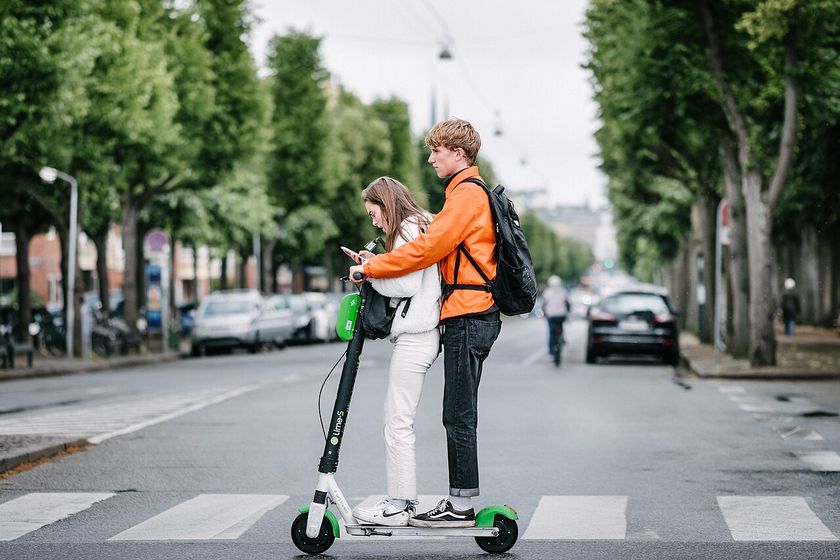
THE WOODLANDS, TX – The latest in functional technology crazes is the advent of the e-vehicles – bikes, scooters, and boards that used to be leg-powered but now driven by cells. With the gift-giving holidays rapidly approaching, chances are there will be a lot more handed out this year, and too many drivers in The Woodlands are familiar with dodging these silent transports coming from out of nowhere.
While zipping through the outsides of strip centers and grocery stores, or weaving through business parking lots is hair-raising enough for drivers and pedestrians unlucky enough to get caught on the same vector, now more and more of these battery-powered speedsters are being found on the roads.
As a result, now seems like a good time for Woodlands Online to delve into the situation and separate fact from fiction from both e-riders and the gas-powered vehicles that encounter them.
State Laws
First off, you should be made aware that there are three main classes of electric bikes, based on their top speed and whether they use a throttle or pedal assist:
-
Class 1 e-bike – Pedal-assist only. The motor only turns on when you pedal. There is no throttle. Motor assistance stops when you reach 20 mph.
- Class 2 e-bike – Throttle and pedal-assist. You can pedal to get power, or use a hand throttle to move without pedaling. Motor assistance and throttle power stop at 20 mph.
- Class 3 e-bike – Pedal-assist only. The motor only helps when you pedal, and the bike must include a speedometer. Some models may allow a low-speed start throttle, but assist is mainly pedal-driven. Motor assistance stops at 28 mph.
In Texas, state law requires that operators of Class-3 e-bikes be at least 15 years old. Additionally, while Texas does not have a universal, statewide helmet law requiring all e-bike riders to wear a helmet, state law does require riders under 18 to wear a helmet on Class 3 e-bikes. Neither licenses nor vehicle registrations are required for e-bikes of any class. Unless otherwise contravened by other municipal laws, ordinances, rules, or restrictions, all three classes of e-bike are allowed on roads, bike lanes, trails, and sidewalks.
E-bikes are classified as such by their pedals. Transports without pedals – including scooters, mopeds, and motorcycles – aren’t recognized as “bikes” and operate under separate rules.
Stand-up electric scooters don’t require a license, registration, or minimum age to operate. Per state law, they are allowed on roads with speed limits under 35 miles per hour, bike lanes, and sidewalks, unless overruled by local ordinances or restrictions.
Mopeds and motor scooters – whether electric or gas-powered – require registration and a Class M motorcycle license. They are permitted only on public roads. Likewise, electric motorcycles require the same registration and license to operate, and are allowed only on public roads.
One category that gift-giving parents might want to keep in mind is that electric dirt bikes and pit bikes are illegal to operate on any road, bike lane, or public pathway. They are not in any way, shape, or form street legal. They are only permitted on private property – and that includes public easements or attempting to get to and from a private property parking lot; “private property” in this case does not include the Kroger lot or Market Street, and you have to abide by the owners’ rules. Precinct, county, and state law enforcement are already vigorously enforcing traffic laws when it comes to getting dirt bikes off of the public roads. Impounding the vehicle, detaining the minor rider, and considerable separate fines and other legal fees are possibilities for parents considering purchasing such a vehicle and taking their chances.
The Woodlands Township Covenants
In The Woodlands, motorized devices including e-bikes, e-scooters, and motorized scooters are strictly prohibited on all community pathways, sidewalks, and shared-use trails managed by The Woodlands Township.
The Township defines any vehicle that is not solely powered by humans as a motor vehicle. This includes all classes of e-bikes, electric scooters, and motorized skateboards. Officials have banned these devices because paths are narrow, winding, and heavily used by walkers and runners, and – as noted before – many e-bikes can travel up to 30 miles per hour, creating crash and injury risks around blind curves and tree-covered trails.
The Montgomery County Sheriff’s Office and Montgomery County Precinct 3 (and Harris County Precinct 4) help enforce the pathway rules. Officers may give warnings or tickets to teens aged 15 or older. Parents of younger children receive complaint notifications. These rules apply specifically to Township-owned pathways and greenbelts, though standard Texas traffic laws govern e-bike use on public roadways.
So, like their manually-propelled counterparts, e-bikes, boards, and scooters are allowed on public streets where the speed limit is 35 mph or less, as long as they follow standard bicycle laws. But they are banned on pathways and sidewalks, including community hike-and-bike paths. Throttle-powered bikes lacking working pedals, units exceeding 750 watts, or high-speed electric dirt bikes/motorcycles that can go over 28 - 30 mph do not qualify as street-legal e-bikes and are barred from public roads in the Township.
Woodlands Online encourages parents to consider carefully their impending purchase of an e-vehicle for their minor children, and minors and adults alike to exercise extra caution even when legally riding them throughout The Woodlands.