- Sections :
- Crime & Public Safety
- Restaurants & Food
- Sports
- More
Colorectal cancer cases rising among younger adults but timely screening can save lives


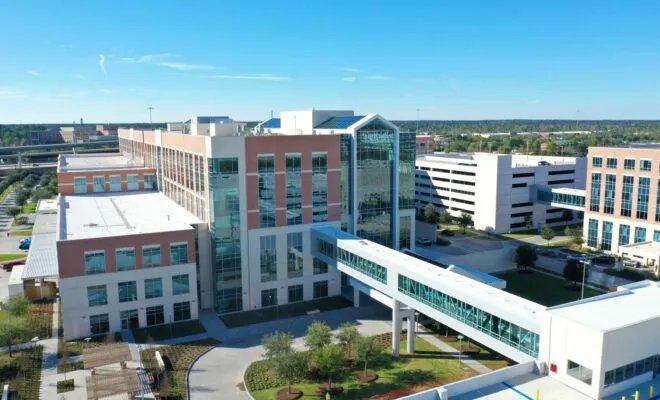
THE WOODLANDS, TX – Colorectal cancer, long considered a disease of older adults, is now the leading cause of cancer-related death among Americans under age 50. Cancer deaths in people under 50 have dropped by 44% over the past three decades, except for colorectal cancer – which is the only major cancer with a rising death rate in this age group, largely driven by later-stage diagnoses and low screening rates.
Colorectal cancer often begins as precancerous polyps, which usually cause no symptoms. Regular screening can prevent colorectal cancer entirely by detecting and removing polyps before they become cancerous.
March is Colorectal Cancer Awareness Month, and Houston Methodist urges adults of all ages to talk with a doctor if they experience:
- Blood in the stool or rectal bleeding
- Persistent abdominal pain or cramping
- Unexplained weight loss
- Changes in bowel habits, including diarrhea or constipation
- Iron-deficiency anemia or chronic fatigue
“Rectal bleeding can be an early sign of cancer, as a tumor growing in the intestinal wall produces delicate blood vessels that can bleed easily when stool passes,” said Dr. Timothy Wagner, radiation oncologist at Houston Methodist The Woodlands Hospital. “When bleeding continues and worsens, that is a sure sign to get checked. If bleeding becomes associated with pain or a change in the size or shape of stool, it’s especially important to seek an evaluation.”
Most people should begin colorectal cancer screening at age 45, five years earlier than the previous standard. People with a family history or other risk factors may need to be screened earlier.
Colorectal risk factors include:
- Inflammatory bowel disease, such as Crohn's disease or ulcerative colitis ▪ Family history of colorectal cancer or colorectal polyps
- Genetic syndromes such as familial adenomatous polyposis or hereditary non polyposis colorectal cancer (Lynch syndrome)
- Lifestyle factors including lack of regular physical activity, a low-fiber and high fat diet, a diet high in processed meats, obesity, and alcohol and tobacco use
“Colon cancer is increasing in frequency at younger ages, so it is imperative to undergo a screening test for detection at age 45 – but some people may need to be screened at younger ages depending on family history or if they have certain symptoms, such as blood in their stool,” Dr. Abdul Khan, gastroenterologist at Houston Methodist The Woodlands Hospital said. “The two main screening tests for colorectal cancer are a stool DNA test and a colonoscopy. The stool DNA test is less invasive but can miss polyps which are pre cancerous growths. The colonoscopy allows visual inspection of the entire colon under sedation and allows removal of polyps.”
Did You Know?
- Colorectal cancer is the fourth most common cancer in the U.S. among men and women combined.
- Nearly 150,000 Americans are diagnosed with colorectal cancer each year; about 50,000 die annually from the disease.
- 1 in 24 people will be diagnosed with colorectal cancer in their lifetime.
- More than 1.5 million Americans are colorectal cancer survivors.
As part of Colorectal Cancer Awareness Month, Houston Methodist is committed to prevention, early detection and innovative treatment, empowering patients to recognize symptoms, understand their risk and take action through timely screening.
For more information, visit: houstonmethodist.org/cancer/colorectal-cancer.