- Sections :
- Crime & Public Safety
- Restaurants & Food
- Sports
- More


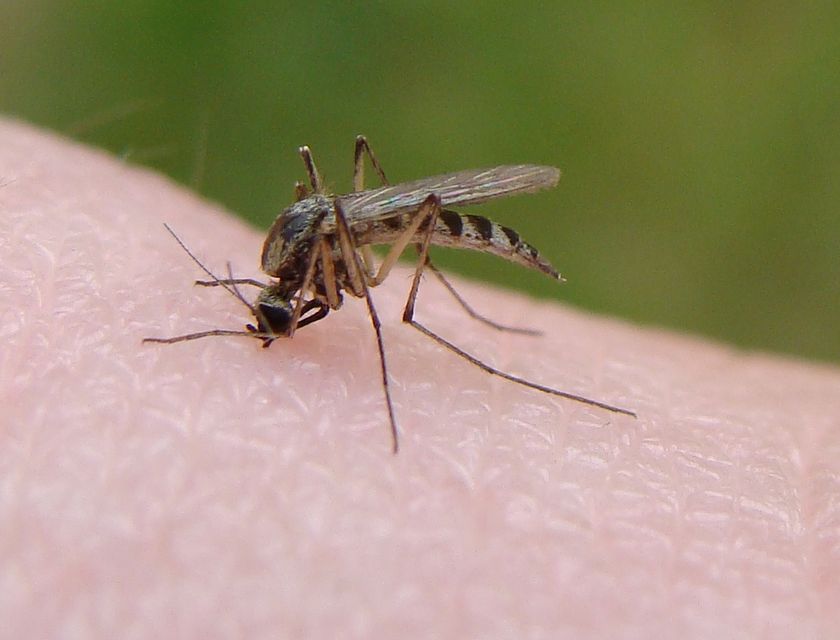
THE WOODLANDS, TX – Mosquito season in Texas typically runs from March through November, with peak activity occurring from June to August. The season begins when nighttime temperatures consistently stay above 50°F, and activity ends with the first significant freeze of winter. In other words, Woodlanders will be swatting, spraying, and citronellaing for many more months as we hit the peak season of these pests.
Already, the mosquito-borne West Nile virus has hit Montgomery County this year when The Montgomery County Public Health Department confirmed the area’s first human case of the year on June 26. Thus far this year, only one other local case – in Harris County – has been reported.
Mosquitoes are most active at dusk and dawn, though species like the Asian Tiger mosquito (which thrives in this area) bite during the day. High humidity and standing water from recent rains significantly boost populations and the risk of diseases like West Nile virus and Zika – thankfully, there are no reported cases of the latter so far this season.
Officials have reported abnormally high levels of West Nile virus in local mosquitoes, with positive samples detected as early as May. The virus can cause mild flu-like symptoms or severe neurological issues; approximately 80 percent of infected individuals show no symptoms.
Montgomery County operates a comprehensive Mosquito Abatement Program overseen by Precinct 4 Commissioner Matt Gray, following a July 2024 decision to shift oversight and operations from Precinct 3 to a new facility in New Caney. The program, directed by Justin Fausek, utilizes ultra-low volume (ULV) truck spraying and aerial treatments (such as those deployed after Hurricane Beryl in July 2024) to combat disease vectors and mitigate mosquito mayhem.
Key components of the program include:
- Surveillance – Weekly trapping and testing of Culex species for West Nile virus and other pathogens, with positive sites triggering targeted treatment.
- Treatment – Insecticide spraying occurs at dusk to minimize impact on bees, focusing on areas where disease activity is detected or where standing water from events like heavy rains creates breeding grounds.
- Larviciding – Targeting larvae in right-of-way and public properties to reduce both disease-carrying and nuisance mosquito populations before they emerge.
- Education – Covering a broad range of topics including, but not limited to, where to find mosquito breeding sites at home, when and how to use insect repellents, how to keep mosquitoes out of your home, mosquito behavior and biology, best lawn care practices, mosquito-borne diseases active in our region, and oo-it-yourself (DIY) mosquito control methods.
- Community Role – Residents are encouraged to eliminate standing water and use EPA-registered repellents, as the county prioritizes disease mitigation over general nuisance control.
The department shares its knowledge with residents in a multitude of ways, including over the phone, group talks, home visits, lectures, community events, and HOA / civic club meetings. For current spraying updates or to request treatment, residents can contact the Montgomery County Mosquito Control office at 281-364-4203 or email mosquitoes@mctx.org.