- Categories :
- More
Perimenopause: Why You’re Suddenly Experiencing Anxiety, Insomnia, Fatigue, and Weight Gain
By:
 Vibe Acupuncture & Holistic Healing Center
| Published 11/28/2026


Perimenopause in The Woodlands: Understanding Anxiety, Insomnia, Fatigue, and Weight Gain
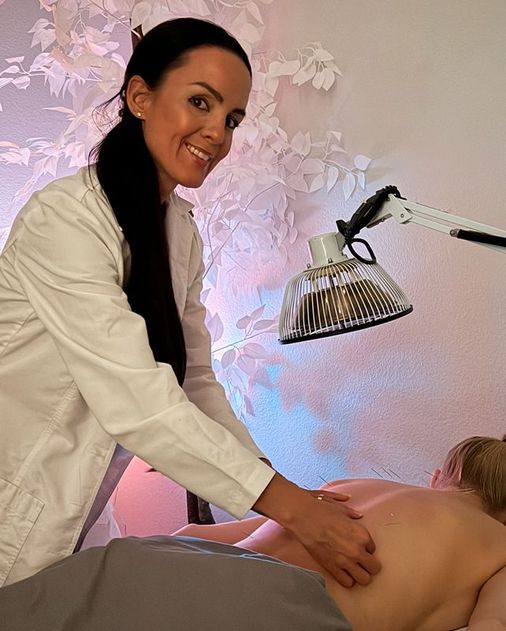
By Dr. Tiffany Kristensen, DACM
You're eating the same foods, maintaining the same routine, and yet something feels different. You're waking up throughout the night, feeling more anxious, gaining weight around your midsection, and struggling with energy.
You may even have had your hormones checked and been told everything looks normal.
For many women, these changes are the beginning of perimenopause.
Perimenopause Is More Than Hot Flashes
Perimenopause is the transitional period leading up to menopause and can begin several years before your menstrual cycle stops completely.
During this time, estrogen and progesterone levels fluctuate, affecting everything from sleep and mood to metabolism and temperature regulation.
Common symptoms include:
-
Anxiety and increased irritability
-
Difficulty falling or staying asleep
-
Night sweats and hot flashes
-
Brain fog and difficulty concentrating
-
Weight gain, particularly around the abdomen
-
Fatigue and reduced energy
-
Changes in menstrual cycles
-
Heart palpitations
-
Decreased libido
-
Joint pain and stiffness
Many women begin experiencing these symptoms while still having regular menstrual cycles, making perimenopause easy to overlook. Hormone levels can also fluctuate considerably, which means a single blood test may not capture the changes taking place.
Understanding Perimenopause Through Chinese Medicine
Traditional Chinese medicine offers a unique perspective on this transition.
One of the common patterns I evaluate in women experiencing perimenopausal symptoms is Kidney Yin deficiency.
In Chinese medicine, Yin represents the cooling, nourishing, and restorative aspects of the body. As Yin declines, women may experience night sweats, restlessness, dryness, difficulty sleeping, and sensations of internal heat.
Other patterns may involve Liver Qi stagnation, which is traditionally associated with irritability, emotional fluctuations, and tension, or Spleen Qi deficiency, which may present with fatigue and digestive disturbances.
Often, women present with a combination of these patterns.
This is why individualized care is so important. Two women going through the same hormonal transition may require entirely different treatment approaches.
How Acupuncture Can Support Women During Perimenopause
At Vibe Acupuncture & Holistic Healing Center in The Woodlands, I work with women throughout different stages of their hormonal journey, from fertility and pregnancy to perimenopause and menopause.
Acupuncture may help support women experiencing:
-
Hot flashes and night sweats
-
Sleep disturbances
-
Stress and anxiety
-
Headaches
-
Muscular tension
-
Menstrual discomfort
Acupuncture influences nervous system activity and pain processing and may support relaxation during this physically and emotionally demanding transition.
Rather than treating every symptom separately, I look at the overall picture, including sleep, digestion, energy, emotional health, and menstrual history.
What Does Research Say About Acupuncture for Menopause?
Research has explored the benefits of acupuncture for symptoms associated with perimenopause and menopause.
A 2016 randomized controlled trial published in the medical journal Menopause followed 209 perimenopausal and postmenopausal women between the ages of 45 and 60.
Women receiving acupuncture experienced a 36.7% reduction in the frequency of hot flashes and night sweats after six months, while symptoms increased by 6% in the group waiting for treatment.
Researchers also observed improvements in sleep, anxiety, and several quality of life measures. Many of these benefits persisted for six months following the completion of treatment.
Read the Acupuncture in Menopause (AIM) study.
Another randomized controlled trial published in BMJ Open in 2019 evaluated 70 women experiencing menopausal symptoms.
After six weeks, women receiving acupuncture reported significant improvements in hot flashes, night sweats, sleep disturbances, emotional symptoms, and physical discomfort compared with women waiting to receive treatment.
Read the 2019 BMJ Open acupuncture study.
While research comparing acupuncture with simulated acupuncture has produced mixed results, these clinical trials highlight its potential role as a complementary approach to symptom management and quality of life during menopause.
Chinese Herbal Medicine and Hormonal Transitions
Chinese herbal medicine can also be incorporated into an individualized treatment plan.
Herbal formulas are selected based on each woman's specific presentation. A woman experiencing night sweats, dryness, and insomnia may require a very different formula from someone experiencing fatigue, bloating, and digestive discomfort.
The goal is to address the overall patterns identified through Chinese medicine rather than simply selecting an herb for a particular symptom.
Herbal recommendations also take into consideration medications, medical history, and other treatments a patient may be receiving.
Why Sleep, Stress, and Metabolism Matter During Perimenopause
Hormonal fluctuations, poor sleep, and stress can create a cycle that leaves women feeling physically and emotionally depleted.
When sleep becomes disrupted, it can affect appetite regulation, energy, mood, and metabolic health. Increased stress can make it even more difficult to relax and obtain restorative sleep.
During perimenopause, I encourage women to pay particular attention to:
-
Maintaining muscle mass through strength training
-
Eating adequate protein
-
Establishing consistent sleep habits
-
Practicing meditation, breathwork, or other stress management techniques
-
Maintaining regular physical activity
-
Prioritizing recovery and rest
Persistent or significant symptoms also deserve medical evaluation, as thyroid conditions, nutritional deficiencies, and other health concerns can present similarly to perimenopause.
A Different Approach to Women's Health in The Woodlands
Perimenopause is a natural transition, but that doesn't mean women should simply accept feeling exhausted, anxious, or uncomfortable.
At Vibe Acupuncture & Holistic Healing Center, I combine traditional Chinese medicine with an individualized approach to women's health, helping patients navigate the changes that occur throughout different stages of life.
Acupuncture and Chinese medicine can be incorporated alongside conventional medical care, including menopause hormone therapy when appropriate.
Whether you're experiencing disrupted sleep, night sweats, anxiety, or other symptoms associated with hormonal changes, understanding what your body is experiencing is an important first step.
You deserve to feel like yourself again.
About the Author
Dr. Tiffany Kristensen, DACM, is the founder of Vibe Acupuncture & Holistic Healing Center in The Woodlands, Texas. Her practice focuses on acupuncture, Chinese herbal medicine, fertility, women's health, and integrative wellness.
Learn more at www.vibeholistichealing.com.