- Categories :
- More
Communication Tips for Kids Who Struggle With Dental Instructions: A Guide for The Woodlands Families
By:
 Leslie Blackburn, DDS, MA
| Published 04/20/2026
Leslie Blackburn, DDS, MA
| Published 04/20/2026


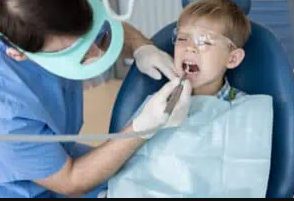
Many children find dental visits easy to follow. Others struggle when a dentist gives simple instructions like “open wide,” “bite down,” or “stay still.” This often affects children with autism, sensory processing disorder, speech delays, or general anxiety. When a child processes language and sensory input differently, they may need more time, visual cues, or shorter directions to understand what a dentist is asking.
Parents often worry when their child cannot follow instructions in a dental chair. In many cases, the issue is not behavior. It is communication. Pediatric dental teams who work with children with different needs adjust how they speak, show, and guide each step so children feel safer and more successful.
A pediatric dentist for special needs in The Woodlands may use visuals, gestures, modeling, and simpler phrasing instead of relying on spoken instructions alone. These dental communication strategies for kids help children understand what is happening during a visit and what the dentist needs them to do.
At Growing Great Grins, the team focuses on child-centered communication so each child can participate at their own pace. Families searching for a Spring, TX, pediatric autism-friendly dentist often look for a practice that adapts its approach instead of expecting every child to respond the same way.
Understanding how children process language and instructions helps build long-term trust in oral care. When communication improves, dental visits often feel calmer for both children and parents.
Why Dental Instructions Can Be Difficult for Some Kids
Dental offices involve bright lights, new sounds, unfamiliar tools, and multiple instructions. For some children, these factors make communication harder to process. A child who struggles with receptive language, sensory input, or attention may find it difficult to respond to dental instructions quickly.
Pediatric dentists often see children who understand instructions differently. A child may hear the words but not process the meaning immediately. Another child may understand but freeze because the environment feels overwhelming or because too much information arrives at once.
Recognizing these barriers helps parents and dentists respond with patience and clearer communication.
Processing Delays and Receptive Language Differences
Some children need more time to understand spoken directions. Others process information better through visuals, gestures, or demonstration. Receptive language delays can affect how quickly a child interprets instructions during a dental appointment.
A child with autism, speech delay, or sensory processing differences may struggle with complex or rapid instructions. In these situations, a dentist may pause, repeat instructions, or demonstrate the action instead of explaining it verbally.
Examples of processing differences that affect dental visits include:
- Slower interpretation of spoken instructions
- Difficulty with multi-step directions
- Stronger response to visual cues than verbal language
- Limited expressive language or nonverbal communication
- Anxiety when instructions come too quickly
For dental instructions for an autistic child, dentists may demonstrate “open mouth” with hand gestures or model the action instead of relying only on spoken instructions.
Families often seek a special needs dentist for speech delay when their child benefits from these adapted communication techniques.
Common Instructional Breakdowns in Dental Settings
Many dental instructions assume a child understands specific words or actions. Some children interpret these directions differently or may not recognize the meaning in a clinical setting.
Common examples include:
- A child hears “open wide” but does not know how wide to open.
- The phrase “bite down” may cause confusion about whether to close the mouth completely.
- Hearing multiple instructions at once can cause a child to freeze.
- A child may feel afraid when cleaning tools appear before the dentist explains what they do.
- Sensory overload from sounds or lights may interrupt language processing.
When a dentist breaks instructions into smaller steps and pairs them with visual cues, many children respond more comfortably.
Adapted Communication Strategies Used by Pediatric Dentists
Experienced pediatric dentists adjust their communication style to match a child’s learning and processing style. Clear instructions, visual support, and predictable steps help children understand what will happen during a dental visit.
These approaches support patient-centered dental care for autism and other developmental differences.
The goal is simple. Help the child feel safe while giving instructions in a format the child can understand.
Modeling and Gesture-Based Instructions
Young children often learn best by watching. Pediatric dentists frequently demonstrate actions before asking the child to perform them.
This method helps children who struggle with verbal directions alone. It is also helpful for kids to use nonverbal communication methods, where gestures and demonstrations guide the child through the visit.
Examples of modeling and gestures include:
- The dentist opens their own mouth to demonstrate “open.”
- A hand signal shows when to close the mouth.
- The dentist tilts the chair slightly while explaining what will happen.
- Tools like mirrors or suction devices are shown before use.
- A brushing motion demonstrates how teeth will be cleaned.
Children often respond better when they can see the action before being asked to perform it.
One-Step Directions and Clear Sequencing
Many children become overwhelmed when instructions contain several steps. Pediatric dentists often simplify directions into single actions.
Instead of saying:
“Open your mouth wide and hold still while I clean your teeth.”
A dentist may break it down into small steps:
- Open
- Hold still
- Close
- Bite
- Relax
Short instructions allow the child to focus on one task at a time.
This approach is one of the most effective communication tips for pediatric dentistry, especially for children who process language slowly or become anxious when multiple directions are given at once.
Predictable sequences also help children understand what happens next.
Example sequence:
- Open mouth
- Dentist counts teeth
- Mirror checks teeth
- Cleaning begins
- Rinse and spit
Predictability reduces fear and supports cooperation.
Communication Tools Parents Can Practice at Home
Parents play an important role in preparing children for dental visits. Practicing dental communication at home helps children recognize words, tools, and actions before they enter the dental office.
Preparation can make a large difference for children with speech delays, autism, or anxiety. Parents can also practice using the same short phrases a dentist may use, such as “open,” “close,” or “hold still.”
Use of Visual Cards or Apps for Dental Terms
Visual supports help children connect words with actions. Many parents create simple flashcards or picture boards to introduce common dental tools and instructions.
These tools support visual dental instructions for kids, which many children process more easily than spoken directions alone.
Parents can create simple visuals for:
- toothbrush
- dental mirror
- suction tool
- dentist chair
- open mouth
- rinse
| Dental Tool | Visual Cue | Child-Friendly Meaning |
|---|---|---|
| Toothbrush | Picture of brushing | Cleaning teeth |
| Dental Mirror | Mirror icon | A dentist looks at teeth |
| Suction Tool | Straw picture | Removes water |
| Dental Chair | Reclining chair | Chair moves back |
| Gloves | Hand with a glove | Dentist prepares |
Children who review these visuals at home often feel more comfortable when they see the same tools at the dental office.
Practicing With Stuffed Animals or Mirror Time
Role-playing dental visits helps children learn what to expect. Parents can practice dental instructions using toys, stuffed animals, or a bathroom mirror.
Simple role-play steps include:
- Pretend the stuffed animal is the patient.
- Ask the child to “open wide” while looking in the mirror.
- Count teeth together.
- Use a toothbrush to demonstrate cleaning.
- Practice saying “open” and “close.”
Mirror practice also helps children understand how their mouth moves during dental instructions. These activities build familiarity and reduce anxiety before the appointment.
Creating a Child-Centered Dental Experience in The Woodlands
Communication differences require flexibility during dental visits. Pediatric dental teams who understand this adjust the pace of the appointment and adapt instructions to match each child’s needs.
Growing Great Grins focuses on individualized communication so children feel supported during their visit. Families looking for a special needs dentist in The Woodlands often value this personalized approach.
The practice offers several communication-focused strategies:
- slower appointment pacing
- extra explanation before procedures
- demonstration of dental tools
- simplified instructions
- behavioral guidance for anxious children
Children who have communication challenges may also benefit from longer appointment times. This allows the dentist to introduce each step gradually. The team also follows a child-led approach, allowing children to move at their own pace, take breaks if needed, and become comfortable before each step begins.
Families searching for a dentist for kids with autism in Spring, TX, often want a practice that understands sensory differences and language processing delays.
Growing Great Grins provides growing grins pediatric dental communication methods designed for children who:
- process language slowly
- use nonverbal communication
- have sensory sensitivities
- need predictable routines
Parents also look for a pediatric dentist with autism experience in The Woodlands when their child benefits from visual instructions, modeling, and patient guidance.
Families often choose The Woodlands dentist for children with communication needs when they want a practice that adjusts care to match how their child learns and communicates.
The practice also supports families seeking a dentist for nonverbal children in 77386, where gestures, visuals, and behavior cues guide the dental visit.
When communication matches the child’s needs, dental care becomes more comfortable and predictable.
FAQs – Dental Communication for Children With Special Needs
How do I help my child understand what to expect at the dentist?
Visual supports work well for many children. Parents can use pictures, social stories, or role-play to show what happens during a dental visit. Practicing phrases like “open mouth” and “close mouth” helps children recognize these instructions later. Reviewing dental tools and practicing mirror time also helps children feel more comfortable before the appointment.
What if my child can’t follow instructions during the visit?
This situation is common. Pediatric dentists adjust communication styles to match the child’s needs. The dentist may use gestures, visual cues, or demonstrations instead of spoken instructions. Many children respond well when instructions become shorter and more predictable. The dental team works at the child’s pace and focuses on comfort.
Is sedation the only option for kids who can’t cooperate?
Not always. Many children respond well to adapted communication methods before sedation becomes necessary. Visual demonstrations, simplified instructions, and gradual introductions to tools often help children participate in dental care. Pediatric dentists usually try communication and behavior guidance strategies first.
Do you have experience with nonverbal children?
Yes. Pediatric dental teams often work with children who use limited verbal language. Communication may include gestures, visual boards, modeling actions, and reading body language. These techniques help guide dental care for children who rely on nonverbal communication.
Schedule a Patient-Centered Visit With The Woodlands Special Needs Dentist
Children who struggle with dental instructions deserve care that matches their communication style. Growing Great Grins provides patient-centered pediatric dentistry where communication differences are respected and supported.
Families looking for a special needs dentist in The Woodlands often choose Growing Great Grins because the team adapts communication to each child’s comfort level. Whether a child has autism, speech delays, sensory differences, or dental anxiety, the team guides care with patience and clear instruction.
Parents searching for a dentist for autistic kids in Spring, TX, or a pediatric dentist with autism experience in The Woodlands will find a practice that understands how children learn and respond differently.
Even if your child is nonverbal or has difficulty following instructions, the team works step by step to create a calm and supportive visit.
To learn more or schedule an appointment, contact Growing Great Grins and plan a visit designed around your child’s communication needs and comfort.