- Categories :
- More
Generator Readiness for Hurricanes at Home
By:
 Logo Electrical Services
| Published 08/24/2026
Logo Electrical Services
| Published 08/24/2026


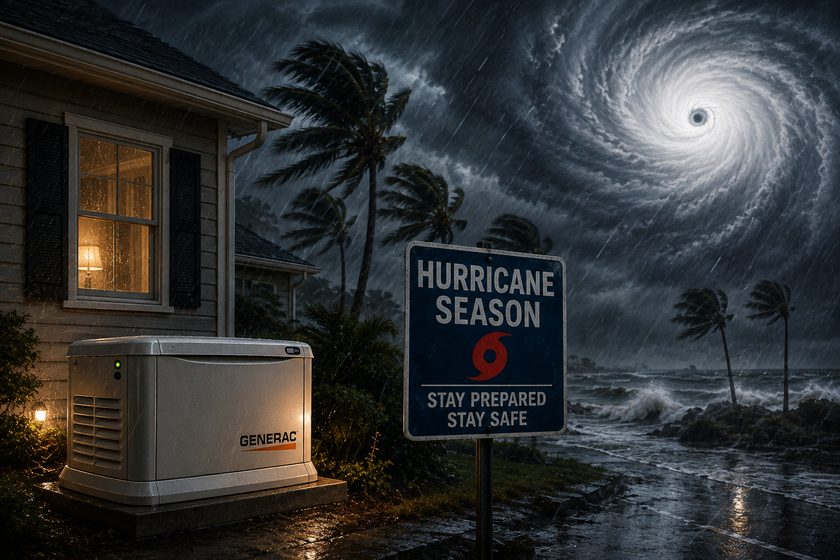
A hurricane forecast can change quickly along the Texas Gulf Coast. By the time shelves are empty and fuel lines are long, homeowners may realize their backup-power plan has a major gap. Generator readiness for hurricanes is not just about owning a portable unit or buying the largest generator available. It is about having a safe, properly planned system that can keep the parts of your home that matter most operating when the utility power goes out.
For Magnolia and greater Houston-area homeowners, preparation should begin well before storm season. A licensed electrician can help identify what your electrical system can support, install the proper transfer equipment, and make sure your generator plan is built around safety rather than last-minute improvisation.
Start With the Loads You Actually Need
The first question is not, “What size generator should I buy?” It is, “What needs to stay on during an outage?” Most families do not need to power every circuit in the house. A practical backup plan often covers refrigeration, a few lights, internet equipment, medical devices, garage access, selected outlets, and possibly one HVAC system.
The right answer depends on your household. A family with a well pump, medical equipment, young children, or someone working from home may need a broader backup-power plan than a household that only wants to protect food and keep fans running. Larger homes may also have multiple air-conditioning systems, electric water heaters, pool equipment, and other high-demand loads that cannot all run from a typical generator.
An electrician can calculate the running and starting loads for the equipment you want to power. Motors in air conditioners, refrigerators, pumps, and some appliances use a higher surge of electricity when starting. Choosing a generator based only on running wattage can leave you with a system that trips, overloads, or cannot start essential equipment when you need it.
Portable, Standby, or Generator-Ready Wiring?
A portable generator is often the most affordable entry point for backup power. It can serve essential circuits during shorter outages, but it requires manual setup, safe outdoor placement, refueling, and careful operation. For many homeowners, a portable unit paired with a properly installed inlet box and transfer switch is a sensible, reliable option.
A standby generator is permanently installed outside the home and typically starts automatically when utility power fails. It can run on natural gas or propane and is a strong choice for homeowners who travel, have medical-power needs, or want less hands-on work during a storm. The upfront investment is higher, and the existing electrical service, gas capacity, generator location, and local code requirements must all be considered.
Some homeowners are not ready to purchase a generator but want to prepare their home for one. Installing a generator inlet, interlock kit where appropriate, or transfer equipment in advance can make future generator use safer and easier. This approach can also prevent rushed electrical work when a storm is already approaching.
Generator Readiness for Hurricanes Means Safe Connections
One of the most dangerous mistakes during an outage is connecting a generator directly to a household outlet. This practice, often called backfeeding, can energize utility lines and place neighbors, utility workers, and your own home at serious risk. It can also damage equipment and create fire hazards.
A generator should connect to the home through approved equipment installed by a licensed electrician. Depending on the system, this may include a manual transfer switch, an automatic transfer switch, a generator inlet box, a panel interlock kit, or a dedicated generator subpanel. The correct choice depends on your panel, generator capacity, desired circuits, and the way you intend to operate the system.
Transfer equipment does one essential job: it separates generator power from utility power. You use one source or the other, never both at the same time. That separation protects the electrical system and allows selected circuits to receive generator power safely.
Older homes deserve special attention. If your panel is crowded, outdated, damaged, or undersized, generator installation may reveal a larger service issue. A panel upgrade is not always necessary, but it may be the right long-term solution if the home cannot safely accommodate the equipment needed for backup power. An honest electrical assessment should explain the condition of the existing system and give you clear options, not pressure you into work you do not need.
Put Generator Safety Before Convenience
Generators produce carbon monoxide, a colorless, odorless gas that can be deadly. Never run a portable generator inside the house, garage, shed, carport, or any enclosed or partially enclosed area. Opening the garage door does not make garage operation safe.
Place a portable generator outdoors on a dry, level surface, away from doors, windows, vents, and air intakes. Follow the manufacturer’s required clearance distances, and keep the unit protected from rain according to the manufacturer’s instructions. Do not use makeshift coverings that trap heat or exhaust.
Every home using a generator should have working carbon monoxide alarms and smoke alarms. Test them before hurricane season, replace weak batteries, and confirm that alarms are located where they can wake sleeping family members. If a carbon monoxide alarm sounds, get everyone outside to fresh air and call for emergency help.
Fuel requires its own plan. Store only approved fuel containers, keep gasoline away from ignition sources, and do not refuel a hot generator. Let the engine cool first. Gasoline has a limited shelf life, so rotate stored fuel and use a fuel stabilizer when recommended. If you have a standby generator fueled by propane or natural gas, confirm that your fuel supply and system capacity match the generator’s expected demand.
Test the System Before the First Storm Watch
A generator that has been sitting for a year is not a dependable emergency plan. Test portable generators periodically according to the manufacturer’s guidance. Start the unit, let it run, check for leaks or unusual sounds, and confirm that the extension cords, inlet connection, or transfer equipment are in good condition.
If you have a standby system, follow its maintenance schedule and pay attention to exercise cycles, battery condition, oil level, error messages, and service intervals. Automatic generators are designed for convenience, but they still need professional maintenance to remain dependable.
Your home electrical system should be part of that inspection. A loose panel connection, a failing breaker, corrosion, or an overloaded circuit may not be obvious until the generator is under load. A licensed electrician can inspect the installation, verify proper operation, and address issues before an outage turns a small electrical concern into a larger problem.
Make a Storm-Day Plan for Your Family
Write down the basic operating steps while conditions are calm. Everyone who may need to use the system should know where the generator is stored, where it will be positioned, how it connects, which circuits are intended for backup power, and how to shut it down safely.
Keep the plan simple. Decide which appliances should remain off, especially high-demand items such as electric ranges, clothes dryers, water heaters, and pool equipment. Avoid adding loads one after another without considering generator capacity. If lights dim, breakers trip, or the generator struggles, reduce the load and investigate the cause.
It also helps to keep a small outage kit near your generator supplies. Include manufacturer instructions, spare oil if required, approved extension cords, a flashlight, batteries, work gloves, and a phone charger. Keep these items dry and easy to reach without searching through a dark garage.
Do Not Forget Surge Protection When Power Returns
The return of utility power can be hard on electronics and appliances. Voltage fluctuations and power surges may occur as the electrical grid is restored, especially after a widespread storm. A generator protects against an outage, but it does not replace a complete surge-protection strategy.
Whole-home surge protection installed at the electrical panel can help protect sensitive electronics, HVAC controls, appliances, and connected devices from certain damaging surges. Individual point-of-use surge protectors still have a place for computers, televisions, and networking equipment. Neither option prevents every possible electrical problem, but layered protection is a sensible investment for homes with modern appliances and smart devices.
Plan Early With a Licensed Electrician
The best time to evaluate generator options is before the forecast becomes urgent. A professional assessment can determine whether your panel can support a transfer switch or interlock, which circuits should be prioritized, what generator capacity fits your needs, and whether upgrades are necessary for a safe installation.
Logo Electrical Services brings more than 45 years of industry experience to residential electrical work for homeowners in Magnolia and surrounding Houston-area communities. Clear recommendations, code-compliant workmanship, and honest pricing matter when your family is planning for an emergency.
A generator is only useful when it is connected safely, maintained properly, and matched to the way your family lives. Taking care of those details now can give you more confidence when the next hurricane season arrives.
Logo Electrical Services
Whether it’s a quick repair, a big upgrade, or something in between — we’re here and happy to help! At Logo Electrical Services, we love working closely with homeowners to turn ideas into safe, reliable solutions.
Here’s how to reach out:
Call us anytime: 281-440-3300
Message us online: Contact Form »