- Categories :
- More
How Can a Dentist Help With Sleep Apnea? Understanding Dental Sleep Medicine
By: Woodlands Sleep Solutions | Published 09/15/2026


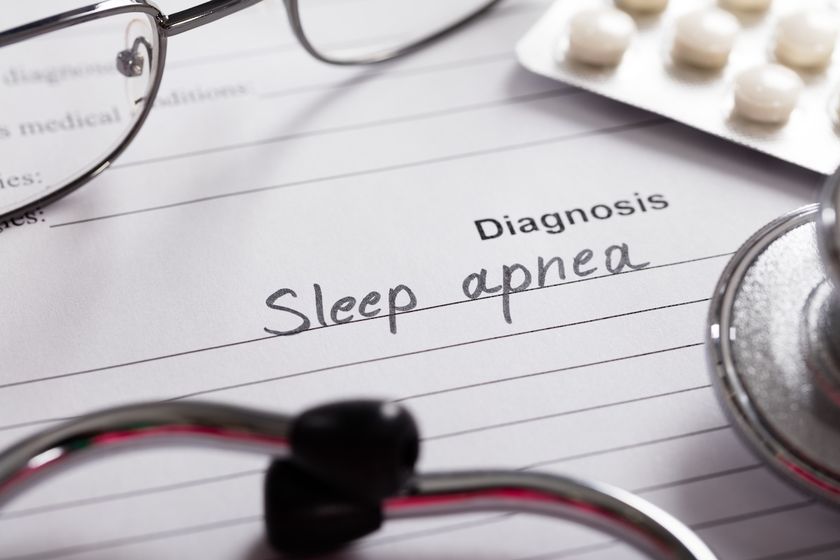
What Does a Dentist Have to Do With Sleep?
At first, the connection may seem strange.
Dentists take care of teeth.
Sleep apnea is a breathing disorder.
So how does a dentist fit into the picture?
The answer is the airway.
Dental sleep medicine focuses on the relationship between the structures of the mouth, jaw and upper airway and sleep-related breathing disorders.
A dentist who has appropriate training in dental sleep medicine can play an important role in the evaluation and treatment of selected patients with snoring and obstructive sleep apnea.
What Happens to Your Airway When You Sleep?
When you fall asleep, the muscles throughout your body naturally relax.
For some people, the tissues surrounding the upper airway can become positioned in a way that narrows or blocks airflow.
When air moves through a narrowed airway, the surrounding tissues may vibrate.
That vibration creates snoring.
If the airway becomes sufficiently blocked, airflow can stop temporarily.
This is one of the mechanisms involved in obstructive sleep apnea.
The National Heart, Lung, and Blood Institute explains that obstructive sleep apnea occurs when the upper airway becomes blocked during sleep, reducing or completely stopping airflow.
Where Does the Jaw Come In?
The position of the lower jaw can influence the space available in the upper airway.
A mandibular advancement oral appliance is designed to gently reposition the lower jaw forward during sleep.
The goal is to help maintain a more open airway.
Think of it as a small device that works while you sleep—without a mask, hose or machine.
What Is Oral Appliance Therapy?
Oral appliance therapy uses a custom-made dental appliance worn during sleep.
Unlike an over-the-counter mouthguard, a prescription sleep appliance is designed and adjusted for the individual.
For appropriately selected adults with obstructive sleep apnea, clinical guidelines support the use of custom, titratable oral appliances, particularly for patients who cannot tolerate CPAP or prefer an alternative treatment.
Is an Oral Appliance Just for Snoring?
Not necessarily.
Oral appliances can be used for certain patients with obstructive sleep apnea as well as for appropriately evaluated patients with primary snoring.
However, this distinction is important:
Snoring should not automatically be assumed to be harmless snoring.
Snoring can be a symptom of obstructive sleep apnea.
That is why an appropriate evaluation is important before simply treating the sound.
Why Do Some People Prefer an Oral Appliance?
The biggest reason is often convenience.
A CPAP machine requires a mask and pressurized airflow.
An oral appliance is worn inside the mouth.
That difference can be significant for someone who:
- Travels frequently
- Dislikes wearing a CPAP mask
- Finds CPAP equipment cumbersome
- Struggles with mask leaks
- Wants a more portable treatment
- Prefers an alternative approach when medically appropriate
An oral appliance can be small enough to travel with easily and does not require a bedside machine.
But convenience alone is not enough.
The treatment must also be appropriate for the patient's sleep disorder.
Does Oral Appliance Therapy Work Better Than CPAP?
This is one of the most common questions.
The honest answer is:
It depends on the patient.
CPAP is generally more effective than oral appliance therapy at reducing certain measures of obstructive sleep apnea, including the apnea-hypopnea index and improving oxygen saturation.
However, oral appliance therapy is an established alternative for appropriate patients, particularly those who are unable to tolerate CPAP or prefer an alternate treatment.
This is why the goal should not be to convince every patient to choose one treatment.
The goal is to determine:
What treatment is appropriate for you—and what treatment can you realistically use consistently?
What About a Cheap Mouthguard From the Internet?
A generic mouthguard and a professionally prescribed oral appliance should not be treated as the same thing.
Sleep apnea is a medical condition.
Simply moving the jaw forward without appropriate evaluation does not establish that the underlying breathing disorder is being treated effectively.
Professional oral appliance therapy involves patient selection, customization, adjustment and appropriate follow-up.
Does Every Snoring Patient Need an Oral Appliance?
No.
Some snoring is not related to obstructive sleep apnea.
Some patients may need medical treatment, PAP therapy, treatment for nasal obstruction, lifestyle changes or another approach.
And some patients may not be appropriate candidates for oral appliance therapy.
That is why dental sleep medicine works best as part of a broader healthcare approach.
A Team Approach to Better Sleep
Sleep apnea does not belong to one medical specialty.
Sleep physicians, primary care providers, dentists, ENT physicians and other healthcare professionals may all have a role depending on the individual patient.
A dentist trained in dental sleep medicine can be an important part of that team.
At Woodlands Sleep Solutions, our goal is not simply to make snoring quieter.
Our goal is to help patients understand why they are snoring, determine whether a sleep-related breathing disorder may be involved, and explore appropriate treatment options.
If you live in The Woodlands or the surrounding Montgomery County area and are looking for information about sleep apnea, snoring treatment or oral appliance therapy, we invite you to learn more.
Because better sleep can affect much more than your nighttime routine.
Better sleep. Better health. Better life.
Frequently Asked Questions
Can a dentist diagnose sleep apnea?
Sleep apnea requires appropriate medical evaluation and diagnostic testing. A dentist trained in dental sleep medicine can screen for signs and risk factors, coordinate care and provide appropriate oral appliance therapy when indicated.
What is a sleep apnea dentist?
A sleep apnea dentist is a dentist with training in dental sleep medicine who focuses on oral and airway-related aspects of sleep-disordered breathing and may provide oral appliance therapy for appropriately selected patients.
How does an oral appliance treat sleep apnea?
Many oral appliances used for obstructive sleep apnea work by repositioning the lower jaw to help maintain a more open upper airway during sleep.
Is an oral appliance better than CPAP?
Not universally. CPAP is highly effective and remains an important treatment for obstructive sleep apnea. Oral appliance therapy is an established alternative for appropriate patients, especially those who cannot tolerate CPAP or prefer an alternate treatment.
Can an oral appliance stop snoring?
For appropriately selected patients, oral appliance therapy can reduce snoring. However, because snoring can be a symptom of sleep apnea, persistent snoring should be evaluated rather than simply treated as a noise problem.
Medical Disclaimer: This information is educational and does not replace diagnosis or medical advice. Sleep apnea should be appropriately evaluated before treatment decisions are made.