- Categories :
- More
How Veneer Shade Selection Creates a Natural-Looking Smile in The Woodlands, TX
By:
 The Woodlands Dental Group
| Published 09/04/2026
The Woodlands Dental Group
| Published 09/04/2026


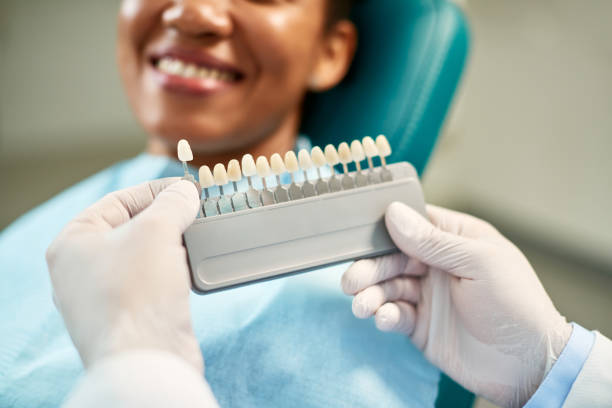
The most natural-looking veneers are not always the whitest. Their color should complement the person wearing them—not compete with their features or appear noticeably different from the rest of their smile. When selecting the shade of porcelain veneers in The Woodlands, a cosmetic dentist considers the patient’s natural tooth color, complexion, facial features, age, and personal goals. This customized approach is an important part of cosmetic dentistry in The Woodlands, TX, whether a patient wants to enhance one or two teeth or complete a more comprehensive smile makeover in The Woodlands, TX.
At The Woodlands Dental Group, veneer shade selection is about finding the right balance between brightness and believability. The dentist evaluates the patient’s existing tooth shade and desired degree of enhancement, then considers how the veneer material’s translucency and underlying color will influence the final result. By bringing these details together, veneers can look luminous and refreshed while remaining harmonious with the patient’s natural smile.
Why Veneer Shade Selection Matters for Natural-Looking Cosmetic Dentistry
Veneer shade selection is not a finishing touch made after the rest of the smile has been designed. It is a central part of treatment planning because color influences how well veneers blend with the surrounding teeth, how their shape and texture are perceived, and whether the smile looks naturally refreshed or noticeably restored.
In cosmetic dentistry in The Woodlands, selecting a veneer shade involves more than matching a patient to a color on a shade guide. The dentist must also consider brightness, opacity, and translucency. Brightness describes how light or dark a tooth appears, while opacity affects how much of the underlying tooth color is concealed. Translucency determines how light passes through and reflects from the veneer. Together, these qualities give teeth dimension and prevent them from looking flat or artificial.
This attention to detail is essential to natural cosmetic dentistry. Natural results come from balancing each veneer with the features already present in the patient’s smile—not simply choosing an attractive color in isolation.
Why the Whitest Veneer Shade Is Not Always the Best Choice
It is easy to assume that the brightest white will create the most attractive smile. However, brightness without harmony can make veneers stand out for the wrong reasons. A shade that appears appealing by itself may look too stark beside untreated teeth, visible lower teeth, or existing crowns and other restorations. It may also feel out of step with the patient’s complexion, age, or overall appearance.
That does not mean patients must avoid a noticeably brighter smile. Rather, veneer shade selection should create a controlled degree of brightness that still feels believable. The dentist considers the shade in combination with tooth proportions, surface characteristics, and translucency so that light interacts with the veneers much as it does with natural enamel.
The goal of natural-looking veneers is not to make every patient’s smile look the same. Some people prefer a subtle improvement, while others want a brighter and more dramatic change. A realistic smile makeover respects those preferences while ensuring the final shade remains balanced with the rest of the patient’s features.
Shade, Brightness, and Translucency Are Different Variables
Two veneers can appear similarly white on a shade guide yet look quite different once they are placed in the mouth. That is because the appearance of porcelain depends on several closely related qualities:
- Color refers to the veneer’s underlying hue and tone.
- Value, or brightness, describes how light or dark it appears.
- Opacity determines how effectively it masks the natural tooth beneath it.
- Translucency affects how light travels through the veneer and gives it depth.
- Surface texture changes how light reflects from the tooth.
These distinctions help explain why selecting a veneer shade based on color alone may not produce the desired result. Natural teeth are not one solid, uniform white. They contain subtle variations in tone and translucency, particularly from the gum line to the biting edge.
A thoughtfully designed veneer can recreate some of that visual depth without looking overly detailed or mismatched. The appropriate balance will depend on the natural tooth underneath, the veneer’s intended position, and the appearance the patient hopes to achieve.
Why Veneer Color Should Be Planned as Part of the Entire Smile
A veneer may restore or enhance an individual tooth, but its color must be evaluated within the full smile. The dentist considers how it relates to neighboring teeth, whether the upper and lower teeth look balanced together, and which teeth are visible when the patient speaks, smiles, and laughs.
Shade also works alongside the gum line and the proportions of each tooth. For example, a very bright shade can emphasize differences in tooth size or draw attention to an uneven transition between veneers and natural teeth. A more carefully harmonized shade allows the color, shape, and placement of the veneers to work together as one design.
This whole-smile perspective is a defining part of cosmetic dentistry customization. Rather than treating every tooth as an isolated feature, smile design accounts for the relationships among the teeth, gums, lips, and face. The result is a smile that suits the individual patient and looks cohesive from every visible angle.
What Cosmetic Dentists Evaluate When Choosing a Veneer Shade
Choosing a veneer shade involves both clinical evaluation and artistic judgment. A cosmetic dentist in The Woodlands, TX, must consider how the restoration will interact with the patient’s existing teeth, facial features, and other dental work under different lighting conditions. The desired result matters too: one patient may want a subtle change that is almost imperceptible, while another may prefer a brighter, more noticeable transformation.
Rather than relying on a single characteristic, a The Woodlands veneer dentist considers several details that collectively determine how the final smile will appear.
Your Existing Natural Tooth Color
The patient’s natural tooth color provides an important starting point, particularly when veneers will cover only some of the visible teeth. The selected porcelain must transition convincingly into the adjacent untreated teeth rather than creating an obvious dividing line between restored and natural enamel.
Natural teeth also contain variations in shade. Canines may appear slightly warmer or darker than front teeth, while the biting edges may be more translucent. The lower teeth matter as well because they are often visible during speech and broad smiles. If upper veneers are dramatically brighter than the lower teeth, the contrast may make the dental work more noticeable.
Matching becomes especially exacting when only one or two teeth are treated. There are fewer restorations over which to create a gradual transition, so subtle differences in brightness, undertone, and translucency can be easier to see. The dentist and dental laboratory must account for these qualities to help the new veneer blend with the neighboring teeth.
Previous whitening can also influence the plan. If a patient wants to whiten untreated teeth, it is generally important to discuss that goal before finalizing the veneer shade. Porcelain does not respond to whitening treatment in the same way natural enamel does, so the intended shade of the surrounding teeth should be established as part of the broader plan.
Skin Tone, Lips, and Facial Features
A smile is viewed within the context of the entire face. For that reason, veneer color should complement the patient’s complexion, lips, and natural degree of facial contrast—not merely match a sample selected from a shade guide.
Skin undertones and lip color can change how a particular white is perceived. The same veneer shade may appear softer against one complexion and more pronounced against another. Facial contrast also matters: some patients naturally have a stronger contrast among their hair, skin, eyes, lips, and teeth, while others have a more blended overall appearance.
These characteristics do not create rigid rules about which shades a patient can or cannot choose. Instead, they provide context. The dentist can compare options with the patient and determine whether a warmer, cooler, softer, or brighter shade best supports the look the patient wants while remaining cohesive with their features.
Age and the Desired Character of the Smile
Natural teeth change over time. Enamel can become thinner, underlying tones may become more visible, and years of normal wear or staining can alter brightness. As a result, an ultra-bright and completely uniform shade may sometimes appear less realistic—particularly if it conflicts with the character of the patient’s other teeth and facial features.
Age should inform veneer planning without dictating it. One patient may want to restore some of the brightness associated with a more youthful smile, while another may prefer a refined improvement with subtle shade variations that preserve a mature, natural aesthetic.
The most appropriate choice depends on the individual’s preferences. Rather than assigning a certain shade based on age alone, the dentist considers how bright the patient wants to go, how that brightness relates to the rest of the smile, and whether the selected color supports the intended character of the result.
Tooth Shape, Size, and Surface Texture
Shade does not function independently of tooth morphology. Shape, size, and surface texture all affect how light travels across a veneer—and therefore how its color is perceived.
A broad or prominent tooth may reflect more light and appear brighter than a smaller tooth made from the same shade of porcelain. Similarly, flatter surfaces can reflect light differently from gently curved ones. These effects are important when designing several veneers because identical color alone does not guarantee that every tooth will appear visually balanced.
Surface texture also contributes to realism. Natural enamel contains small variations that influence the way it reflects light. A surface that is too smooth or opaque may look flat, while carefully designed texture can provide dimension and help the restoration relate more naturally to surrounding teeth.
In practical terms, shape + surface texture + shade determine the overall visual appearance. These elements should be planned together so that no single tooth looks unusually bright, large, or prominent within the smile.
Existing Crowns, Bonding, or Veneers
Existing dental work can significantly influence veneer shade selection because restorative materials generally do not whiten along with natural enamel. A patient considering veneers may already have a crown, bonded tooth, or older veneer within the visible smile zone. If that restoration will remain in place, its color and material must be incorporated into the new shade plan.
For example, patients with porcelain crowns in The Woodlands may need their new veneers designed to coordinate with the crowns’ brightness, undertone, and translucency. Likewise, dental bonding in The Woodlands, TX, may have aged or changed in appearance over time, creating another color reference the dentist must evaluate. Existing veneers can also affect whether the new work should be matched to them or whether replacing multiple restorations would create a more cohesive result.
The appropriate approach depends on which teeth show when the patient smiles, the condition and location of the existing restorations, and the patient’s cosmetic goals. By identifying these factors before treatment, the dentist can build a shade strategy around the smile as it truly exists rather than planning each restoration separately.
Should You Whiten Your Teeth Before Choosing a Veneer Shade?
Whitening is often considered before veneer shade selection when natural teeth surrounding the veneers will remain visible. By brightening those teeth first, the dentist can match the veneers to the shade the patient intends to maintain rather than to teeth they plan to whiten later. However, whitening is not necessary for every patient; the recommendation depends on which teeth are being treated, which natural teeth will show, and the patient’s desired result.
Whitening Establishes a New Baseline for Natural Teeth
If a patient wants brighter natural teeth as part of their cosmetic plan, the dentist will typically want that new brightness established before the final veneer color is selected. Otherwise, teeth whitening in The Woodlands performed after veneer placement could lighten the surrounding enamel while leaving the porcelain unchanged, creating a visible mismatch.
Following teeth whitening in The Woodlands, TX, the color of the natural teeth should be allowed to stabilize before the dentist completes the final shade assessment. This provides a more reliable baseline for coordinating veneers with the rest of the smile.
Why Veneers Cannot Simply Be Whitened Later
Porcelain does not respond to bleaching agents in the same way natural enamel does. Whitening treatment may remove stains or lighten untreated teeth, but it will not predictably change the intrinsic color of a porcelain veneer.
For that reason, patients should discuss their long-term brightness goals before their veneers are fabricated. If they expect to whiten their natural teeth, completing that treatment first can help reduce the likelihood of a shade discrepancy later.
How Dentists Coordinate Whitening and Veneer Shade Matching
When whitening is included in the treatment plan, the sequence generally follows four steps:
- Whitening: The natural teeth are brightened to the patient’s desired level.
- Shade stabilization: The teeth are given time to settle into a stable shade.
- Shade assessment: The dentist evaluates the natural teeth and selects coordinating veneer characteristics.
- Veneer fabrication: The veneers are created using the finalized color, brightness, opacity, and translucency specifications.
This sequence allows the dentist and dental laboratory to design the veneers around the patient’s post-whitening tooth color, creating a more consistent transition between porcelain and natural enamel.
How Dentists Create Depth and Translucency in Porcelain Veneers
A shade number alone cannot capture everything that makes a tooth look natural. Real teeth interact with light in complex ways: some areas reflect light brightly, while others allow a small amount of light to pass through. They may also contain slight variations in color and translucency that keep them from appearing flat or uniform.
When planning veneers, dentists consider these qualities alongside the base shade. Depending on the material and the patient’s needs, porcelain may be layered or characterized to introduce subtle changes in color, brightness, and opacity. Details near the biting edges—known as incisal characteristics—can be especially important because this area is often more translucent than the rest of a natural tooth.
Why Natural Teeth Are Not One Flat Color
Although a healthy tooth may appear to be a single color at first glance, its appearance typically changes from the gum line to the biting edge. The area near the gums may look slightly warmer or deeper in tone, while the center of the tooth often appears more solid and bright. Near the edge, enamel may become more translucent and allow hints of the underlying tooth structure or the darkness of the mouth to show through.
The differences are usually subtle, but they give natural teeth visual depth. A veneer made with one completely uniform, opaque white can lack those nuances and may look artificial beside untreated teeth. Recreating appropriate variation helps the restoration belong within the smile rather than appearing to sit on top of it.
How Porcelain Mimics Natural Enamel
High-quality porcelain can reproduce several optical qualities of enamel. Instead of merely reflecting light from its surface, it can allow light to enter and scatter within the material. This interaction creates the sense of depth associated with natural teeth.
When designing porcelain veneers, the dentist and dental laboratory can control how bright, translucent, or opaque different areas appear. Greater opacity may be needed to conceal discoloration in the underlying tooth, while carefully placed translucency can help the biting edge look more lifelike. Subtle variations can also be incorporated where appropriate so the veneers coordinate with neighboring teeth rather than appearing uniformly painted.
The right balance depends on the patient’s starting tooth color and cosmetic goals. Natural-looking porcelain veneers should provide enough coverage to create the intended improvement while retaining the luminosity and dimension that keep a smile believable.
Why Texture and Finish Influence Perceived Shade
A veneer’s surface affects how its color is perceived. Smooth, highly polished porcelain reflects light differently from a surface with the gentle contours and fine texture found in natural enamel. Even when two veneers share the same base shade, one may appear brighter or flatter because of the way light reflects from its finish.
Surface texture can break up reflections and give the tooth greater dimension, while polishing influences its luster and overall brightness. The dentist must balance these details carefully: too little texture may make a veneer look unnaturally smooth, while excessive characterization can prevent it from blending with the rest of the smile.
By coordinating shade, translucency, texture, and finish, the dental team can create veneers that respond naturally as lighting changes and the patient moves, speaks, or smiles.
Matching One or Two Veneers vs. Designing a Full Smile Makeover
Veneer shade planning changes depending on how many teeth are being treated. When only one or two veneers are placed, the restorations must closely reproduce the characteristics of the surrounding natural teeth. Treating several adjacent teeth provides more control over the overall color and symmetry of the smile, but the result must still relate naturally to untreated teeth and facial features.
Why Matching a Single Front Tooth Can Be More Challenging
Creating one veneer for a front tooth can be one of the most demanding cosmetic cases. Because the matching natural tooth sits directly beside the restoration, even slight differences may be noticeable.
A convincing match requires more than identifying the neighboring tooth’s basic color. The dentist and dental laboratory must also reproduce its brightness, translucency, shape, surface texture, and response to light. The natural tooth may be warmer near the gum line, brighter through the center, and more translucent at the biting edge. It may also contain small variations that are unique to that tooth.
Shape and texture further influence how well the veneer blends. If the restoration is slightly wider, flatter, smoother, or more reflective than its counterpart, it may appear different even if the underlying shade is accurate. Successfully matching a single front tooth therefore requires all of these characteristics to be evaluated together rather than treating color as an isolated choice.
Shade Planning When Several Veneers Are Placed Together
When several neighboring teeth receive veneers, the dental team has greater control over shade consistency and symmetry. Instead of reproducing every feature of one adjacent natural tooth, the veneers can be designed as a coordinated group.
This flexibility can make it possible to create a brighter smile or address broader differences in color while maintaining smooth transitions between the treated teeth. The dentist can also plan how brightness is distributed across the smile so no single veneer appears unusually prominent.
More control does not mean every tooth should look identical. Natural smiles contain subtle variations in shape, contour, texture, and the way light falls across each tooth. These distinctions keep a row of veneers from appearing overly uniform. The shade must also remain balanced with visible untreated teeth, particularly the lower teeth and any teeth near the edges of the smile.
Shade Selection During a Full Smile Makeover
During a smile makeover in The Woodlands, veneer color can be planned in relation to multiple cosmetic or restorative treatments. This broader view allows the dentist to coordinate the shade of veneers with whitening, dental bonding, crowns, and the appearance of the gum line.
For example, natural teeth that will remain visible may be whitened before the veneers’ final shade is selected. A crown within the smile zone may need to be matched to the new veneers or replaced if its existing color would interrupt the final design. Bonding may also need to be evaluated because, like porcelain, it does not whiten in the same way as natural enamel.
Gum aesthetics contribute to the result as well. The position and symmetry of the gum line affect the visible proportions of the teeth, which can influence how bright or prominent they appear. Planning these elements together helps ensure the chosen veneer shade supports the smile’s overall balance.
A cosmetic smile makeover offers more freedom to reshape the smile as a whole, but successful shade selection remains individualized. The final color should coordinate with the patient’s natural teeth, facial features, and preferred degree of brightness rather than follow a universal standard.
Common Veneer Shade Mistakes That Can Make a Smile Look Artificial
Veneers tend to look most convincing when their color is planned in relation to the entire smile. A shade may appear attractive on its own yet feel noticeably different once viewed beside natural teeth, gums, lips, and facial features. Understanding the following potential mistakes can help patients make more informed decisions about the look they want to achieve.
Choosing an Overly Bright Shade
A brighter smile may be the goal, but brightness should remain harmonious with the patient’s overall appearance. Veneers that are dramatically lighter than adjacent teeth, lower teeth, or existing restorations can create a sharp contrast that draws attention to the dental work itself.
The shade may also appear more intense depending on the patient’s complexion and natural degree of facial contrast. Choosing a controlled level of brightness allows the veneers to look fresh and luminous without appearing disconnected from the person wearing them.
Making Every Tooth Identical in Color and Character
Natural teeth are not exact copies of one another. They can contain slight differences in tone, translucency, texture, and the way they reflect light. When every veneer has precisely the same flat color and character, the smile may lose the subtle dimension that makes natural enamel look believable.
This does not mean veneers should have obvious color differences. Rather, carefully designed variations can prevent the teeth from appearing overly uniform. Subtle changes near the gum line and biting edges, along with differences in surface contours, can create a more realistic aesthetic while preserving a cohesive overall shade.
Ignoring the Color of Lower or Adjacent Teeth
Veneers are often placed on the upper front teeth, but those are not the only teeth visible when a patient speaks, laughs, or smiles broadly. Untreated teeth beside the veneers and in the lower arch remain part of the overall view.
If the veneers are substantially brighter or have a different undertone, the contrast can make both the natural teeth and restorations appear mismatched. Evaluating the full visible smile helps the dentist determine whether the selected shade will transition smoothly into untreated areas. It can also reveal whether whitening or another coordinated treatment should be considered before the final veneer color is chosen.
Choosing Shade Without Considering Shape and Gum Line
Color is only one component of smile design. Tooth length, width, contour, position, and the shape of the gum line all influence how bright or prominent a veneer appears.
For example, a broad front tooth may reflect more light and seem brighter than a narrower tooth in the same shade. Uneven tooth proportions or gum heights can also draw attention to individual restorations, particularly when paired with a very luminous color. Selecting shade without accounting for these relationships may produce teeth that look attractive individually but less balanced as a complete smile.
Planning the veneer color alongside tooth shape, surface texture, and gum aesthetics allows these elements to support one another. The result is not simply a collection of white teeth, but a smile designed to look cohesive from multiple angles.
How to Communicate Your Veneer Shade Goals During a Cosmetic Consultation
Veneer shade selection should be a collaborative discussion. You do not need to understand technical shade systems to explain what appeals to you. By sharing examples, describing the feeling you want your smile to convey, and asking to view options in context, you can give your dentist clearer direction while learning what will work with your individual features.
Bring Examples of Smiles You Like
Reference images can help your dentist understand what you mean by a “white,” “natural,” or “dramatic” smile. Consider bringing several examples and identifying the specific qualities you like in each one. You might be drawn to the brightness of one smile, the subtle color variation in another, or the way the teeth complement the person’s face.
These images should serve as communication tools rather than exact templates. A shade that looks natural on someone else may appear different with your complexion, lips, natural teeth, and facial proportions. Lighting, camera settings, and photo editing can also alter how tooth color appears in an image. Your dentist can use the examples to identify your preferences, then adapt those qualities to your smile.
Describe the Result You Want, Not Just a Shade Number
Shade numbers are useful clinical references, but they do not fully describe how you want your veneers to look. Two restorations associated with a similar shade can still differ in translucency, opacity, texture, and overall character.
Instead of focusing only on a number, use descriptive words to communicate your priorities. For example, do you want your smile to look:
- Natural and softly varied?
- Bright and youthful?
- Subtle and understated?
- Warm rather than stark?
- Highly uniform or gently individualized?
You can also explain what you want to avoid, such as veneers that look too opaque, too bright, or noticeably different from your lower teeth. These details help your dentist distinguish between the many ways a “white smile” can be interpreted.
Ask to Compare Shade Options in Context
A veneer shade should not be evaluated by itself. Ask your dentist to explain how different options relate to your neighboring teeth, visible lower teeth, complexion, lips, and any crowns, bonding, or existing veneers in your smile.
It is also helpful to discuss shade alongside tooth shape, proportions, translucency, and surface texture. A color that appears especially bright on a flat sample may look softer once it is incorporated into a veneer with natural contours and light-reflecting characteristics.
Reviewing these factors together allows you and your dentist to make a more informed choice. The goal is not simply to find a shade you like in isolation, but to select one that supports the appearance you want within the full context of your smile and face.
FAQs About Veneer Shade Selection in The Woodlands, TX
What Is the Most Natural-Looking Veneer Shade?
There is no single veneer shade that looks most natural on everyone. The best choice is one that harmonizes with the patient’s surrounding teeth, complexion, facial features, age, and preferred degree of brightness. Translucency, texture, and tooth shape also influence how natural the final color appears.
Should Veneers Be Whiter Than Natural Teeth?
Veneers can be slightly brighter than the surrounding natural teeth, particularly when the patient wants a noticeable cosmetic enhancement. However, that difference should be intentional and carefully planned. A controlled transition in brightness can keep the smile balanced, while an excessive contrast may make the veneers more apparent.