- Categories :
- More
Your Guide to Relaxation Massage for Lasting Calm
By:
 A Great Massage
| Published 10/19/2026


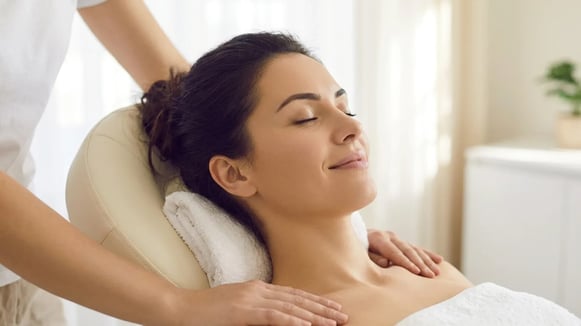
A tight jaw after a long workday, shoulders that seem to live near your ears, and a mind that stays busy long after bedtime are all signals that your body may be carrying more than it needs to. This guide to relaxation massage can help you understand what a calming session feels like, how to prepare, and how to choose care that supports your whole well-being.
What Relaxation Massage Is Designed to Do
Relaxation massage is gentle, intentional bodywork focused on calming the nervous system and easing everyday muscle tension. Rather than working deeply into a specific injury or heavily contracted area, the therapist generally uses flowing strokes, steady pressure, and a soothing pace to help your body move out of its stressed, guarded state.
The goal is not to make you endure discomfort in the name of feeling better. It is to create space for your body and mind to settle. Many people leave feeling lighter, quieter, and more connected to how their body is actually feeling.
A relaxation massage can be especially supportive when you are dealing with stress, restless sleep, fatigue, mild muscle tightness, or the constant pull of work and family responsibilities. It can also be a meaningful part of a regular self-care rhythm, even when nothing feels acutely wrong.
Relaxation Massage vs. Therapeutic Massage
The difference often comes down to your goals. Relaxation massage emphasizes comfort, calm, and full-body restoration. Therapeutic massage may use more focused techniques and pressure to address areas of persistent tension, limited movement, or recovery needs.
These approaches are not opposites. A personalized session can include deeply calming work while giving extra attention to your neck, lower back, hands, or hips. The right balance depends on your comfort, health history, and what your body needs that day. You should never feel that you have to choose intense pressure for a massage to be worthwhile.
How to Prepare for a Relaxation Massage
The best preparation is simple: give yourself permission to slow down. Arrive a few minutes early so you are not carrying the rush of traffic, errands, or a packed schedule straight onto the table. Wear comfortable clothing, and drink water throughout the day rather than trying to quickly hydrate at the last minute.
Before the session begins, share what is on your mind and in your body. Let your massage therapist know if you have tender areas, recent injuries, medical conditions, allergies or sensitivities, pregnancy, or a preference around pressure. If you are new to massage, it is completely appropriate to say so. Clear communication makes your experience more comfortable and more personal.
Try not to schedule a demanding meeting, workout, or long list of errands immediately afterward if you can avoid it. Even a peaceful 15 minutes after your appointment can help you hold onto the benefits of the session.
What to Wear and What to Expect
For a traditional table massage, you undress only to your personal comfort level and remain professionally draped with a sheet or blanket throughout the session. Only the area being worked on is uncovered. Your therapist can explain the process before you begin so there are no surprises.
You may be asked about your goals, comfort preferences, and areas you would like to avoid. Soft music, a warm table, and a quiet setting often help the body begin to settle, but the most important ingredient is feeling safe and heard. If the room is too warm, the pressure is too light or too firm, or you simply need to shift position, speak up. This is your time.
What a Relaxation Massage Feels Like
A relaxation-focused session often starts slowly. Broad, gliding strokes warm the tissue and invite the breath to deepen. As your body softens, your therapist may work through the back, shoulders, arms, legs, hands, feet, scalp, or neck with an unhurried rhythm.
Some people become so relaxed that they drift in and out of sleep. Others stay awake and notice how much tension they had been holding without realizing it. Both experiences are normal. You do not need to perform relaxation or clear your thoughts perfectly for massage to be helpful.
Pressure should feel soothing, not sharp, burning, or overwhelming. A little tenderness can happen around areas that have been tense for a long time, but pain is not a requirement. Let your therapist know right away if something does not feel good. Adjusting pressure is part of personalized care, not an interruption.
How to Extend the Calm After Your Session
The hours after massage are a valuable part of the experience. Your nervous system has had an opportunity to downshift, and a few small choices can help preserve that feeling. Drink water, enjoy a nourishing meal, and choose gentle movement such as an easy walk or light stretching if your body feels ready.
If possible, skip the urge to fill the quiet with more screen time or stressful tasks. A warm shower, an earlier bedtime, or a few minutes of stillness can help you notice the difference in your breathing, posture, and mood.
You may feel deeply relaxed, sleepy, or emotionally lighter afterward. Mild soreness can occasionally occur, especially if your muscles were very tight, but strong or lasting pain is not expected from a relaxation massage. Contact your provider if something feels unusual, and consult a qualified medical professional for pain, swelling, numbness, fever, or other health concerns that need medical attention.
How Often Should You Book?
There is no one schedule that works for everyone. A busy parent may benefit from a monthly reset. A professional navigating a high-stress season may appreciate sessions every two to four weeks. Someone preparing for a major life change, recovering from demanding travel, or feeling consistently depleted may choose more frequent support for a period of time.
Consistency often matters more than intensity. Regular massage gives you a recurring moment to check in with your body before tension becomes your normal. It also helps your therapist get to know your preferences and notice patterns that may guide future sessions.
For some clients, hands-on massage is one part of a broader wellness plan. A personalized approach may also include restorative practices, mindful rest, hydration, movement, or complementary energy-centered services that feel aligned with their goals. The most supportive plan is one that feels realistic, calming, and sustainable in your life.
Choosing a Massage Therapist You Can Trust
Look for a therapist who listens before they begin working. Credentials and experience matter, but so does the quality of the conversation. You should feel comfortable discussing pressure, boundaries, health considerations, and your reasons for booking.
A by-appointment setting can be especially helpful when you want care that does not feel rushed or impersonal. At A Great Massage, clients in Magnolia, The Woodlands, and the surrounding North Houston area can receive individualized massage and holistic wellness support in a calm, welcoming environment.
Your body does a great deal for you every day. Giving it an hour to rest, soften, and be cared for is not an indulgence you have to earn. It can be a gentle way to return to yourself, one peaceful breath at a time.