- Categories :
- More
How Massage Eases Jaw Clenching and Facial Tension
By:
 Frequency Diva
| Published 10/13/2026
Frequency Diva
| Published 10/13/2026


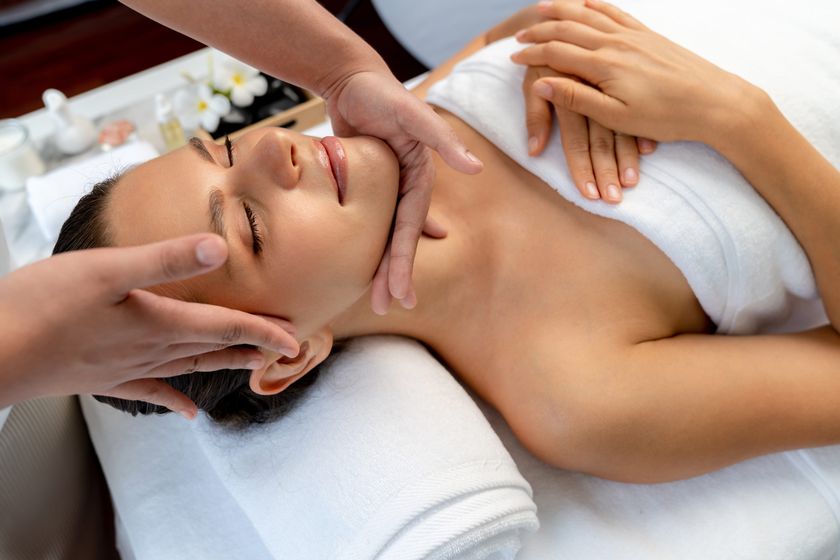
Your jaw may be working long after the rest of your body has tried to rest. You might notice it while driving home, answering emails, lifting a child, or waking with a dull ache near your temples. Understanding how massage eases jaw clenching can offer a gentler path toward relief when stress, posture, and daily demands keep your face and neck in a guarded position.
Jaw clenching is common, but it should not have to become your normal. Therapeutic massage can help soften the surrounding muscles, settle the nervous system, and bring awareness to patterns you may not realize you are carrying. It is not a replacement for dental or medical care when you need it, but it can be a meaningful part of a whole-body plan for feeling more comfortable and at ease.
Why Jaw Clenching Can Affect So Much More Than Your Jaw
Clenching is not always loud or obvious. Some people grind their teeth at night. Others press their teeth together during a busy workday, while exercising, or whenever they feel overwhelmed. The jaw muscles can stay partially contracted for hours, even when you are not consciously thinking about them.
That tension rarely stays in one place. The muscles of the jaw connect closely with the cheeks, temples, scalp, neck, and shoulders. When the jaw is overworking, you may also feel facial tightness, tension headaches, soreness around the ears, neck stiffness, or aching shoulders. For some people, it can make a relaxing night of sleep feel less restorative.
Stress is often part of the picture, but it is not the only factor. Long hours at a screen, a forward-head posture, an uneven bite, chewing gum frequently, past injury, sleep habits, and certain medications may contribute. Because the causes can vary, the most helpful massage approach is always personal rather than one-size-fits-all.
How Massage Eases Jaw Clenching
Massage works with jaw clenching on several levels. It does not simply tell the muscles to relax. It creates the conditions that make release feel safer and more possible for your body.
It calms overworked facial and jaw muscles
The masseter muscles at the sides of the jaw do a great deal of work when you chew, speak, and clench. The temporalis muscles at the temples can also become tender and fatigued. With careful, appropriate pressure, massage can encourage these tissues to soften and improve their ability to move comfortably.
A trained massage therapist may work externally along the cheeks, jawline, temples, and scalp. They may also address the neck and upper shoulders, which are often quietly contributing to the strain. The goal is not to force the jaw open or create intense discomfort. It is to invite a gradual release while honoring your comfort level.
Some clients feel an immediate sense of lightness in the face or less pressure around the temples. Others notice their jaw is less reactive over the next day or two. The response depends on how long the tension has been present, how frequently you clench, and what else your body is managing.
It helps interrupt the stress-tension cycle
Jaw clenching is often tied to a nervous system that has been on alert for too long. When your body is rushing from task to task, it can remain in a state of readiness, even during moments that are meant to be restful. The jaw, shoulders, and breath frequently reveal that strain first.
Massage offers a dedicated pause. Slow, intentional touch and a calm setting can support the shift from constant vigilance into a more settled state. As your breathing becomes fuller and your muscles receive permission to let go, you may find it easier to notice when your teeth are touching unnecessarily.
This awareness matters. The natural resting position of the jaw is usually relaxed, with the teeth slightly apart and the tongue resting gently against the roof of the mouth. Recognizing the difference between clenching and resting can help you make small corrections throughout the day.
It addresses connected tension in the neck and shoulders
It is easy to focus only on the jaw, but many clenching patterns are supported by tension elsewhere. When your head leans forward toward a phone or computer, the muscles at the back and sides of the neck work harder. Your shoulders may rise, your breathing may become shallow, and your jaw may join the effort.
A personalized therapeutic massage can include the upper back, shoulders, neck, scalp, and chest area as needed. Releasing these connected regions may reduce the pull that keeps the jaw feeling guarded. This broader approach is especially helpful for people who notice jaw pain after desk work, long commutes, or stressful days.
It supports better body awareness between sessions
One of the most lasting benefits of massage is often what you notice after you leave the table. Perhaps you realize you hold your breath before difficult conversations. Maybe your shoulders climb toward your ears when you check your inbox. Or you may find yourself clenching during your commute without realizing it.
Those observations are not setbacks. They are useful information. When you can identify your personal pattern, you have more opportunities to respond with a relaxed jaw, a slower exhale, a shoulder roll, or a brief break from the screen.
What a Jaw-Tension Massage Session May Include
A thoughtful session begins with a conversation about what you are feeling. You may be asked when the clenching is most noticeable, whether you wake with soreness, where you feel discomfort, and what kind of pressure feels supportive. This helps shape a session around your goals, rather than treating every client the same way.
Treatment may include gentle work around the temples, cheeks, jawline, scalp, neck, shoulders, and upper back. If you have tenderness near the jaw joint, your therapist can work carefully and adjust techniques as your body responds. Clear communication is essential. Massage should feel therapeutic, not like you must endure pain to get results.
Internal mouth massage is a specialized technique and is not necessary for every person or every session. If it is offered, it should only be done by a properly trained provider with your informed consent and appropriate hygiene practices. Many people find meaningful relief through external work and full upper-body massage alone.
At A Great Massage, each appointment is shaped around the tension your body is carrying that day. For clients in Magnolia, The Woodlands, and surrounding North Houston communities, this personalized care can be a restorative part of managing stress-related tightness.
Small Habits That Can Help Your Jaw Stay Softer
Massage is most helpful when paired with simple care at home. You do not need a complicated routine. Start by checking in with your jaw a few times a day, especially during work, driving, or scrolling. Let your lips rest together, keep your teeth apart, and take one long, unhurried exhale.
Warmth can be comforting when muscles feel sore. A warm compress along the cheek and jaw for several minutes may help settle mild tension. Gentle neck stretches, regular screen breaks, and a supportive sleep routine can also make a difference over time.
Pay attention to habits that may aggravate symptoms. Chewing gum constantly, biting pens, resting your chin in your hand, and eating very chewy foods during a flare-up can keep the muscles working when they need rest. You do not have to eliminate every habit forever, but reducing the load during tender periods can give your jaw room to recover.
If nighttime grinding is suspected, a dentist can evaluate whether a custom night guard or other dental support may be appropriate. Massage and dental care can work well alongside each other, especially when clenching has more than one contributing factor.
When to Seek Additional Care
Massage can support comfort and relaxation, but persistent or severe jaw symptoms deserve professional evaluation. Consider contacting a dentist, physician, or qualified TMJ-focused provider if you have jaw locking, major limitation in opening your mouth, swelling, a recent injury, numbness, fever, sudden bite changes, or severe pain.
You should also seek care if symptoms are worsening, disrupting sleep regularly, or not improving with conservative support. A clear diagnosis can help you choose the right combination of treatment, whether that includes massage, dental guidance, physical therapy, stress support, or another approach.
Your body does not need to carry every stressful moment in your jaw. A consistent, compassionate massage routine can create space for your face, neck, shoulders, and nervous system to rest together. When you are ready, choose care that listens closely to what your body has been trying to say.