- Categories :
- More
Can Foot Detox Cause Fatigue? What to Know
By:
 A Great Massage
| Published 11/04/2026


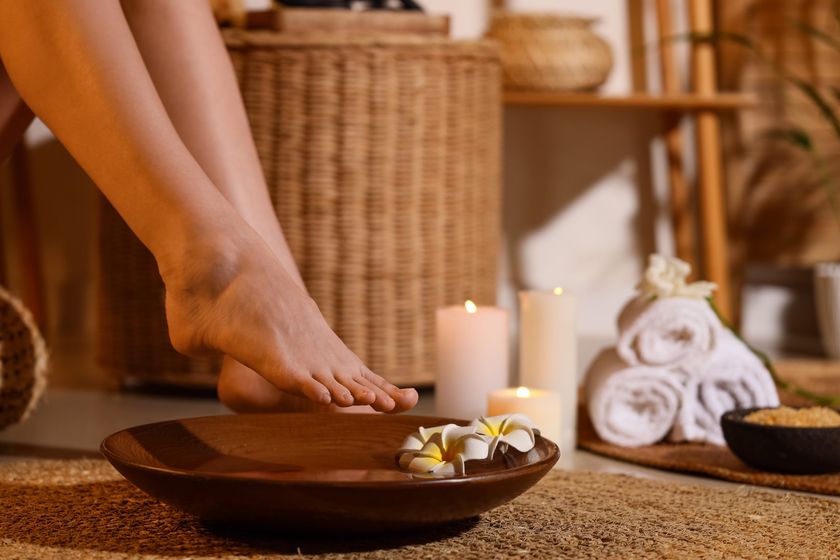
You booked a foot detox to feel lighter, clearer, and more restored - then you went home wanting a nap. So, can foot detox cause fatigue? Some people do report feeling temporarily tired after a session, but fatigue is not a reliable sign that toxins are leaving the body. More often, it may reflect the simple effects of taking time to rest, being underhydrated, arriving stressed or sleep-deprived, or having an underlying health concern that deserves attention.
At A Great Massage, we approach every wellness service with care for the whole person. An RF foot detox can be a calming part of a self-care routine, especially when paired with intentional rest, hydration, and bodywork. The goal is to leave you feeling supported, not to push through symptoms that your body is asking you to notice.
Can Foot Detox Cause Fatigue After a Session?
It can happen, particularly as a short-lived feeling. You may settle into a quiet session after a busy week, finally shift out of a constant state of alertness, and recognize how tired you already were. When the nervous system has room to slow down, accumulated exhaustion can become more noticeable.
There is also a practical explanation. Many people come to wellness appointments after work, between family responsibilities, or following long stretches of pain and stress. If you have not eaten regularly, have had little water, drank alcohol the night before, or slept poorly, fatigue may be waiting in the background before you ever place your feet in the water.
What the research does not support is using tiredness after a foot detox as proof that the body has released toxins. The body already has highly effective systems for processing and eliminating waste, including the liver, kidneys, lungs, digestive system, and skin. The color changes that can occur in an ionic or RF foot bath are not a diagnostic measure of toxins removed from your body. Water, salt, electrodes, and minerals can all affect what you see in the basin.
That does not mean a session cannot feel pleasant or restorative. It means it is wise to keep the experience in perspective and listen to your body's actual response.
Why You May Feel Tired
Fatigue after a foot detox is not one-size-fits-all. For one person, it may be an invitation to have an early night. For another, it may be unrelated to the appointment altogether. A few common factors can help explain the difference.
Your body is coming down from stress
Chronic stress can keep the body running on adrenaline and urgency. A quiet wellness appointment may create a contrast that makes you feel heavy, sleepy, or deeply relaxed afterward. This is similar to the drowsiness some people feel after a massage. Rest is often a reasonable response when it is mild and passes quickly.
You may need more water and nourishment
Dehydration can contribute to low energy, headache, lightheadedness, and muscle discomfort. Skipping meals or relying on caffeine to get through the day can have a similar effect. A foot soak itself is not a substitute for hydration or balanced nutrition, so give your body what it needs before and after your session.
Your schedule may be catching up with you
Busy parents, professionals, caregivers, and people managing ongoing discomfort often postpone rest until an appointment creates a pause. Feeling tired afterward may simply be your body asking for recovery time. This is especially true if you have been carrying tension in your shoulders, jaw, lower back, or feet for weeks.
Another health issue may be involved
Persistent fatigue can be associated with many concerns, from illness and medication side effects to anemia, thyroid conditions, sleep apnea, depression, blood sugar changes, or chronic pain. A wellness session cannot diagnose the cause. If fatigue is new, intense, worsening, or interfering with daily life, bring it to a licensed medical professional.
What to Do if You Feel Fatigued After a Foot Detox
A mild, temporary energy dip is usually best met with simple, gentle care. Drink water over the next several hours, enjoy a nourishing meal or snack, and leave space in your schedule to rest if possible. Avoid treating a tired feeling as something you need to “power through” with extra caffeine or strenuous exercise.
Pay attention to the pattern. Did you arrive already depleted? Did you sleep well the night before? Did the tiredness resolve after food, water, and sleep? Noticing these details can help you make choices that support your energy more effectively at future appointments.
It can also help to schedule your session at a time that fits your life. Some clients prefer an evening appointment so they can go home, shower, and rest. Others choose a morning or weekend time when they can follow the session with a quiet walk, a healthy meal, or a massage. Personalized wellness is not only about the service itself - it is about giving yourself enough margin to receive it.
When Fatigue Needs Medical Attention
Wellness support should never replace medical care when warning signs are present. Contact a healthcare professional promptly if fatigue is severe, lasts more than a few days without a clear reason, keeps returning, or comes with symptoms such as chest pain, shortness of breath, fainting, confusion, a rapid heartbeat, fever, unexplained weight changes, or swelling.
People with diabetes, neuropathy, open sores, circulation concerns, heart or kidney disease, or a history of blood clots should also check with their medical provider before trying foot bath-based wellness services. If you are pregnant, take prescription medications, or have a complex health history, individualized guidance is especially valuable.
A foot detox should not cause pain, burning, significant dizziness, or skin irritation. Stop the session and seek appropriate care if you experience these reactions. Your comfort and safety matter more than finishing any wellness treatment.
A More Grounded Way to Think About Detox
The word “detox” can carry a lot of pressure. It can make wellness feel like a test of whether you have done enough, released enough, or felt enough afterward. A kinder approach is to view a foot detox as one restorative ritual within a larger pattern of care.
Your daily basics do much of the meaningful work: consistent sleep, water, regular meals, movement that feels appropriate for your body, stress support, and medical care when needed. Massage and energy-based services can complement those foundations by creating a dedicated space to slow down, release physical tension, and reconnect with how you feel.
If you enjoy foot detox sessions, focus on the outcomes you can genuinely observe. You may appreciate the warmth, the quiet, the sense of relaxation, or the commitment you made to yourself. Those are worthwhile benefits without needing to attach a medical meaning to every sensation.
Planning a Session That Supports Your Energy
Come to your appointment having eaten something light and nourishing, and begin hydrating earlier in the day rather than trying to catch up afterward. Wear comfortable clothing and avoid packing your schedule too tightly around the session. If you know you tend to feel sleepy after relaxation services, plan for a softer evening.
Be open with your practitioner about your energy level, pain, medications, health history, and what you hope to receive from the visit. That conversation helps create a more personalized experience, whether you are seeking relief for tired feet, chronic tension, stress, or a general sense of imbalance.
Feeling tired after taking a moment to care for yourself is not a failure and does not need a dramatic explanation. Treat it as useful information from your body: pause, hydrate, rest when you can, and seek medical guidance when fatigue feels persistent or out of character.