- Sections :
- Crime & Public Safety
- Restaurants & Food
- Sports
- More
Another Blast of Arctic Air moves in this Weekend, Bringing an Increased Risk of Home Heating Fires


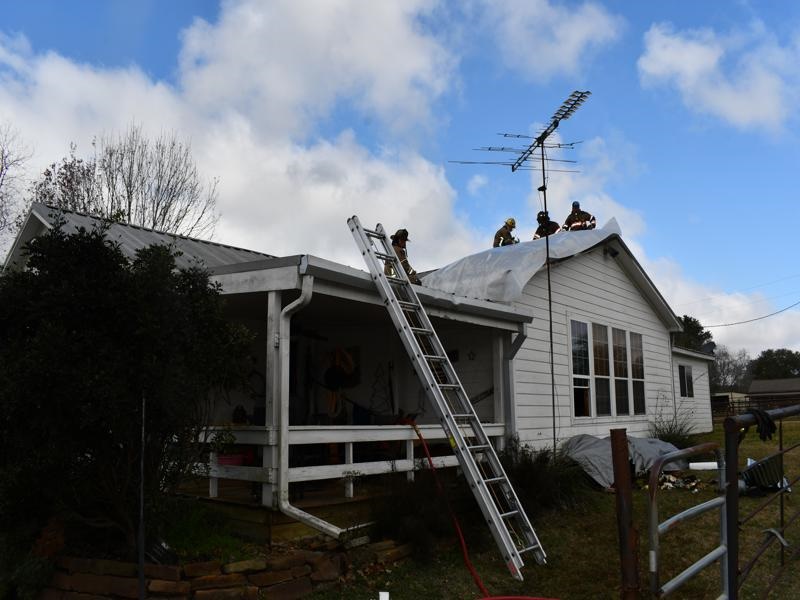
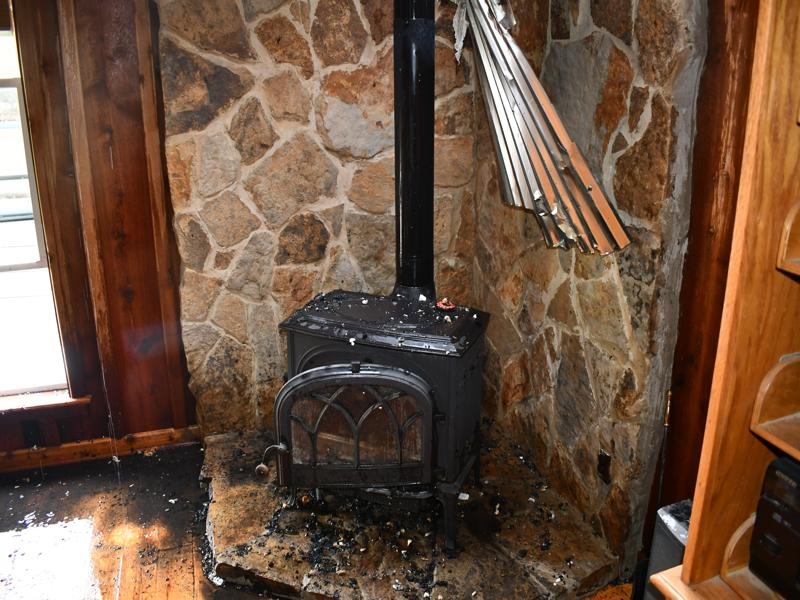
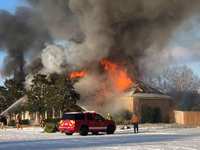
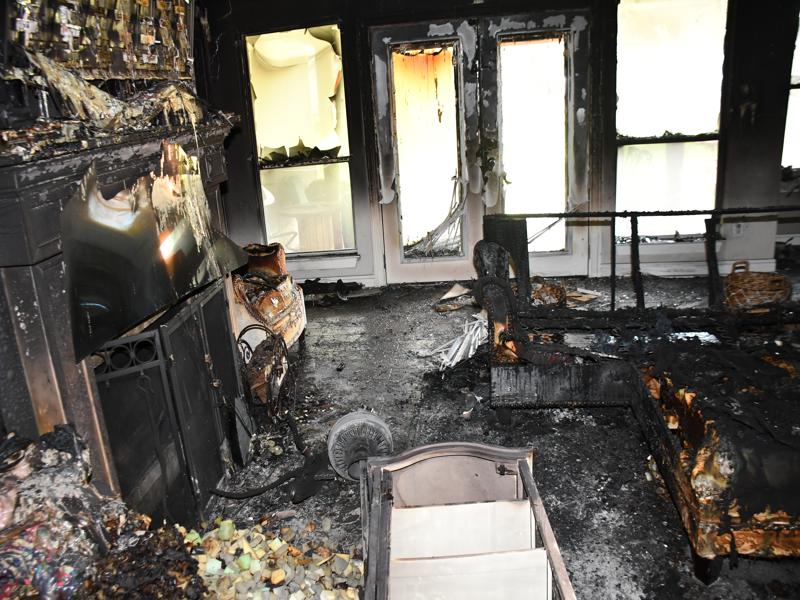
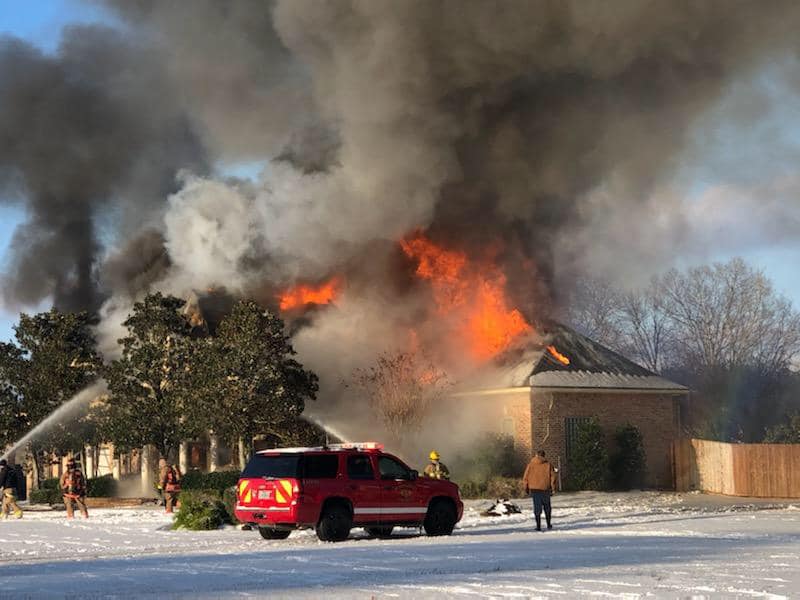
THE WOODLANDS, TX -- Another strong cold front is headed our way this weekend, increasing the risk of home heating fires. The influx of arctic air will have many residents looking for alternative ways to heat their homes. The winter months are the peak time for home fires nationwide and Texas is no exception. On average, over 3,000 Americans lose their lives in home fires and many more thousands are injured every year. The number one thing you can do to protect your family during the next arctic blast is to make sure your home has working smoke alarms and your home heating systems are safe to use.
Home heating fires often occur at the worst possible time, breaking out in the middle of the night while our families are asleep. Space heaters are especially deadly, accounting for 4 out of every 5 home heating fire deaths. The number one safety recommendation is to first and foremost have working smoke alarms throughout the home, especially in all sleeping areas. Having working smoke alarms dramatically increases your chances of surviving a fire.
According to NFPA’s latest heating equipment statistics, there was an annual average of 37,365 home heating fires from 2020 to 2024, accounting for 11% of all reported home fires during this time, and these fires resulted in estimated annual 417 civilian deaths, 1,260 civilian injuries, and $1.2 billion in property damages.
Preventing Home Heating Fires
A leading factor contributing to home heating fire deaths was heating equipment too close to things that can burn, such as upholstered furniture, clothing, mattress, or bedding. Many heating fires can be prevented by following basic safety tips when dealing with any heating equipment:
- Keep or maintain a 3 foot clearance between all heating equipment and anything that can burn.
- Inspect and maintain heating equipment regularly for safety.
- Be sure to have fixed space heaters installed by a qualified technician, according to manufacturer’s instructions or applicable codes. Or, make sure a qualified technician checks to see the unit has been properly installed.
- When buying a new, portable space heater, make sure it has the label showing it is listed by a recognized testing laboratory, such as Underwriters Laboratories (UL).
- Space heaters should be turned off every time you leave the room and before going to bed.
- Choose space heaters that turn off automatically if they tip over.
- Never use a space heater to dry clothing.
- Do not use your oven to heat your home.
- Install smoke alarms in every bedroom, outside each sleeping area, and on every level of the home. For the best protection, interconnect all smoke alarms throughout the home. When one sounds, they all sound.
- Test smoke alarms monthly.
- If your home is equipped with gas appliances, install and maintain carbon monoxide alarms to avoid risk of carbon monoxide poisoning