- Categories :
- More
Emergency HVAC Repair & 24 hour Heating Fixes
By:
 Country Air
| Published 02/24/2026
Country Air
| Published 02/24/2026


Fall is the ideal time for heating, ventilation, and air conditioning (HVAC) system tune-ups, as a maintenance visit before winter can substantially reduce the risk of heating failure, requiting emergency HVAC repair. Murphy’s Law states if your AC is going to quit, it will be during a heat wave. Similarly, if your heating unit is going to have a problem, it’ll likely occur during an arctic air blast.
8 Heating Problems in Magnolia & Southwest Texas
Again, maintenance every fall and spring is the best preparation against HVAC failures during extreme weather. But sometimes, you get caught by an unavoidable, unexpected heating system breakdown due to seasonal weather extremes. For Northern homes, frozen components and freezing that causes airflow blockage might be reasons for winter HVAC failure. In our summer heat, low refrigerant levels and high-humidity stress on AC components and other equipment parts can necessitate a same-day repair call.
Sudden temperature drops can cause heating failures. Most Northwest Houston HVAC units are in warm spaces, like attics, dedicated closets, and garages. Our outside condenser coils are exposed to the elements, but winter freezes aren’t usually that powerful or lengthy. (However, it’s not likely we’ll forget the Great Texas Freeze of February 2021.)
What cold-weather HVAC problems could occur this year?
- Blower/motor fan – Wintry weather can make HVAC rubber components brittle, which can cause condensation problems and even break moving parts that haven’t been properly lubricated. Dirty motors or weakened capacitors (which help start the heating system) can affect startup.
- Condenser coil – Dirty condenser coils are an HVAC problem year-round, but dirt and debris buildup can also obstruct airflow, strain defrost components (causing an ice buildup on coils), or trigger fan problems that prevent heat transfer.
- Ductwork – When your home or office requires more heat, the energy demand is a problem if you have badly sealed ductwork or leaks.
- Heat pump – Older heat pumps may struggle when temps drop below 30°F. Newer models are better at delivering heat during extreme cold, but sometimes need a backup heat unit.
- Ignition – Old furnace systems used a constant-flame pilot light, but newer heating units have electronic igniters. Electric furnaces may have coils that quickly heat during the startup process. If your HVAC has ignition problems, it’s probably due to component corrosion from moisture, dirt/dust, dirty air filters, low gas pressure, or thermostat issues.
- Refrigerant – It seems illogical, but if your HVAC system is low on refrigerant, it can cause a pressure problem in the evaporator coil, which can lead to an ice buildup from air moisture and/or coil freeze-up.
- Thermostat – Poorly placed thermostats will have year-round issues from drafts or heat exposure. The sudden switch from AC to heat can add stress to thermostat components. Problems can also include malfunctioning sensors, dead batteries, or loose wiring.
- Uneven heating – Dirt and dust are problematic in all weather, causing blocked ductwork, clogged filters, or obstructed vents. If you have hot and cold spots throughout the home or office, those areas or rooms feel even more uncomfortable during cold weather.
- Consider Add-Ons
Our Northern neighbors sometimes have heating system add-on components or equipment that we don’t. These add-ons help heating systems withstand extreme cold weather and can include dual-fuel systems (example: a furnace + heat pump), emergency heat strips, ground-sourced geothermal heat pumps, or modified defrost controls. Also, Northern homeowners appreciate the added protection and energy efficiency provided by good home insulation and solid sealing.
When To Call Country Air HVAC Repair
Country Air maintenance plan customers are automatically at the top of the list during a weather event that causes area-wide HVAC failures. But if the Great Texas Freeze taught us anything, it’s to call your heating and cooling company sooner, rather than later, if you lose heat during a winter freeze emergency.
If you know the source of your HVAC failure, try these do-it-yourself troubleshooting tips:
- Blower/motor fan – Reset the breaker or turn the power off and visually examine the blower compartment. Remove obstructions.
- Condenser coil – Turn off the power and remove obstructions around the unit.
- Ductwork – Use masking tape to seal accessible openings.
- Heat pump – Check vents for blockages, reset a tripped breaker, or turn off power and gently clean indoor coils. Check the outdoor unit for debris buildup or obstructions.
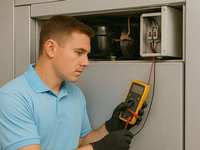
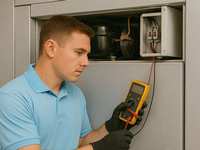
- Ignition – Visually inspect the ignitor or test with a multimeter.
- Thermostat – Clean dirt/dust from the unit, check its programmable smart setup, and/or change batteries.
- Uneven heating – Switch fan from “auto” to “on,” clean and adjust vents/damper, and inspect visible ductwork for leaks.
Call Country Air if your heat stops, and you also have:
- Breaker that keeps tripping
- Complex technology (dual-fuel, heat pump, etc.)
- Damage (fan blades, coil tubing, wiring shorts, melted wires)
- Electrical burning smell
- Leaks
- Noises (banging, grinding, squealing, etc.)
- Refrigerant odor
- Smoke, sparking
Two of the frequently asked questions about HVAC heating are:
Q: How often should I change the HVAC filter?
A: If you have smokers, multiple pets, or extreme dust from construction, etc., check your filter every month. Otherwise, changing your filter every 3 months should suffice.
Q: What’s going on with my vents making popping noises?
A: Some popping sounds are okay; they’re the sound of your ductwork naturally contracting during air movement. But if you have a new popping noise, did you close some rooms’ vents to lower your energy bill? You’re hearing increased air pressure in the ductwork. Other causes are a broken seal in the ductwork, damper maladjustment, or dirty filters.