- Categories :
- More
Most Common Access Control Mistakes Businesses Make and How to Avoid Them
By:
 The Flying Locksmiths
| Published 03/13/2026
The Flying Locksmiths
| Published 03/13/2026


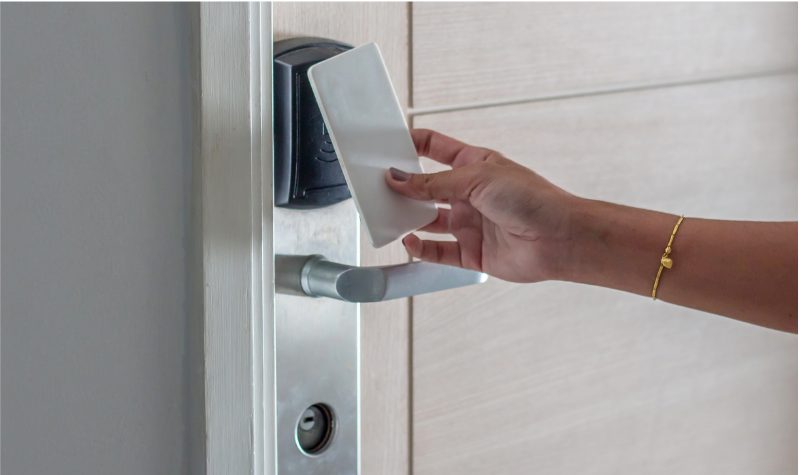
It’s easy for businesses to overlook the mistakes they make with access control, as many organizations may not be aware of the door security risks that are making their commercial property vulnerable. Between sharing credentials with employees, not keeping up with their security policies, and delaying service, businesses can open the door for unauthorized access. We’ll explore the common mistakes businesses make when trying to regulate access, while providing valuable tips that will help you avoid them going forward.
Mistake #1: Relying on Shared Credentials & Logins
Problem: Although sharing access credentials can simplify password management, it can create a significant commercial security vulnerability within your organization. This can also create operational issues as well, as whether an employee is using a shared passcode for a keypad system, keycards, or door key fobs, it becomes difficult to identify which team member gained access during specific periods of time; especially problematic for companies if an incident occurs that requires an investigation.
Solution: To avoid this mistake, ensure that you design a system that includes unique individual logins for each employee. This will enable you to track who enters specific areas and when, allowing you to hold team members accountable for their activities. Implement role-based access control systems to create an access hierarchy that ensures individual employees can only access specific areas, verifying that company assets and data are secure. Access permissions can be revoked or assigned in real-time with today’s modern keyless entry systems, so employ building security systems that support digital access.
Mistake #2: Neglecting Off-Boarding Procedures
Problem: When temporary or former employees leave a company, businesses sometimes forget to revoke access, which leaves your property vulnerable. By failing to remove digital access or take back physical keys, former staff can retain access to sensitive information and enter your property at any time. By neglecting off-boarding procedures, your business becomes a potential target for internal theft, putting your access control and workplace safety at risk.
Solution: To address this issue, it’s important to implement thorough off-boarding procedures that remove credentials for all departing individuals. This includes removing permissions to all company software, disabling logins, deleting biometric authentication data while ensuring all keycards, door key fobs, and RFID wristbands are returned. These measures will ensure former staff have no forms of entry to your building, keeping all company data and inventory safeguarded from being accessed after they leave.
Mistake #3: Granting Excessive Permissions
Problem: One common mistake businesses make is providing too much access to employees within an organization, which can lead to many operational issues. Should “Admin” permissions get assigned to the wrong employee, there is a heightened risk for accidental deletions or all digital credentials getting compromised. This can be especially problematic for businesses as there’s the potential for sensitive information like personal employee data getting in the wrong hands, ultimately hindering your building’s access control.
Solution: Ensure that all employees have unique permissions related to their specific roles, ensuring they’re only given a level of access that will help them perform their specific job duties. By implementing role-based access control systems, you can control who can enter specific areas of your property, only allowing employees in higher roles to gain access to sensitive rooms. This is often used in settings like hospitals, government buildings, and hotels where commercial door security is essential, as restrictions in access help prevent the risk of data breaches.
Mistake #4: Failing to Educate Employees on Access Management
Problem: As one of the most overlooked mistakes businesses make with their access control, failing to educate employees on the importance of access management can lead to unsafe practices with their credentials. Without proper training, employees may not know how to properly store passwords and codes securely, which increases the risk of security breaches. Whether it’s writing credentials down or reusing similar passcodes, there lies a lot of risk for businesses who can be vulnerable without realizing it.
Solutions: Create a recurring training program focused on access and password management, emphasizing the importance of securing the workplace. Teach staff how to create strong passwords for mobile access control systems, utilize unique passcodes for keypad systems, and express the importance of not sharing credentials with anyone. Work with employees to change their credentials regularly to strengthen door security and create a culture of security awareness in the workplace.
Mistake #5: Ignoring Regular Security Audits
Problem: Even the most durable access control systems can start showing weaknesses, which can be avoided by scheduling regular security audits. By ignoring checking on the health of your systems, you can run into significant issues which can lead to costly repairs down the line. Organizational needs change over time, which is why it’s important to check if upgrades or further expansion is needed. Equally important, roles within an organization change frequently, which is why it’s important to conduct regular permissions audits to ensure inactive accounts are removed and credentials reflect role changes.
Solution: To stay ahead of issues with your door entry systems, conduct a commercial security audit every six months, to identify issues with your systems and ensure your digital credentials are up to date. Thoroughly analyze that everyone has the necessary access permissions to do their job and check that your access systems still fulfill your operational needs. If you’re expecting future expansions, implement scalable door security solutions like keyless entry systems that don’t require a complete overhaul of your infrastructure.
It’s also important to check that your commercial doors and hardware remain functional to ensure your door security is at its best. Investing in access control maintenance services can help extend the lifespan of your systems and keep your property protected.
Additional Strategies for Effective Access Control
- Implement Security Incident Response Plans: Create a proactive security response plan that details the steps that need to be taken during a security breach or break-in. Set up live alerts for your access control or video surveillance systems to keep you notified of suspicious activity or implement a system that alerts authorities immediately in the event of a break-in. Have a well-defined plan to mitigate damage and stimulate an immediate response.
- Implement Mandatory & Role-Based Access Control: Create a strategy that uses both role-based access control (RBAC) and mandatory access control (MAC). Role-based access control systems will help assign permissions based on employee roles, while mandatory access control will ensure rules are set based on sensitivity levels. By installing these modern business security systems, you can ensure access is only limited to approved personnel, preventing assets from being compromised.
- Monitor Access Logs & Audit Trails: Review access logs regularly to stay on top of all suspicious activity. Audit trails will help you identify unusual access patterns so you can spot potential door security threats ahead of time and address them immediately. This is especially useful as evidence in investigations to pinpoint who is gaining unauthorized access, uncovering potential weak spots in your infrastructure.
- Integrate Access Control with Other Systems: Integrate your access control systems with other solutions like video intercoms, security camera systems, and automatic doors to create one unified business security structure. By combining the benefits of multiple security systems, you’ll make it more difficult for intruders to gain access to your facility and keep track of all key areas under one centralized management system. This is especially useful for businesses managing multiple properties, which through advanced integrations all buildings can be monitored remotely.
Trust FlyLock for All Your Access Control Needs
Call on FlyLock to handle all your access control and door security needs backed by business security professionals who have years of experience in the field. We’ll help you with installations, maintenance, and security integrations so you're ready to take on today's door security challenges. Contact us today by giving us a call at 800-649-5397!
Frequently Asked Questions
What are the three core elements of access control?
Access control relies on three main elements: identification, authentication, and authorization. Identification defines which user is trying to gain access while authentication verifies whether a user is allowed to enter based on access methods like PIN codes, biometrics, keycards, or door key fobs. Authorization determines what the user can access to ensure only authorized personnel can gain entry to specific spaces.
What are some signs a point of entry device has been tampered with?
Tampering is often identified from physical damage to commercial doors and hardware. Loose hardware, misaligned card readers, and scratched equipment are all signs of a potential break-in. Also check to see that keypads, key cards, and door key fobs all work properly, as wiring could have also been tampered with, hindering the performance of your door security system or door hardware.
How does access control protect users?
Access control systems protect users by ensuring intruders can’t access sensitive or restricted areas. For business owners and employees, access systems create a safe environment as they can monitor who enters or exits, while preserving the integrity of commercial doors. By controlling the flow of traffic and safeguarding key assets, both users and the commercial property are protected.