- Categories :
- More
The HVAC Maintenance Mistakes Homeowners Make That Cost the Most
By:
 Carl's Quality Cooling & Heating
| Published 05/12/2026
Carl's Quality Cooling & Heating
| Published 05/12/2026


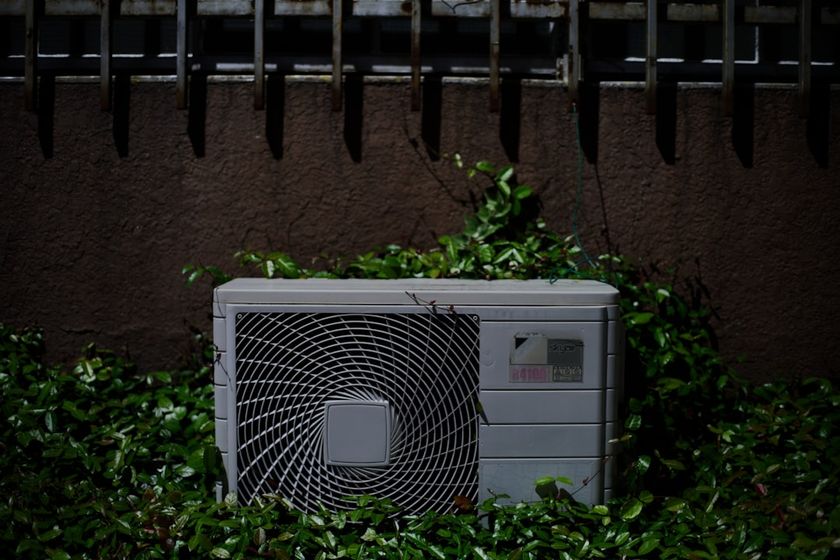
The most common hvac maintenance mistakes homeowners make include skipping filter changes, closing vents in unused rooms, ignoring warning signs like strange noises or smells, blocking the outdoor condenser unit, misusing the thermostat, and putting off professional tune-ups.
Here's a quick overview:
| Mistake | Main Consequence |
|---|---|
| Skipping filter changes | Up to 15% higher energy bills |
| Closing vents in unused rooms | Pressure buildup, duct leaks, coil freezing |
| Ignoring warning signs | Expensive emergency repairs |
| Blocking the outdoor unit | Up to 20% more energy use |
| Thermostat misuse | Unnecessary system strain |
| Skipping professional tune-ups | Up to 30% shorter system lifespan |
| Neglecting ductwork | Up to 30% of conditioned air wasted |
Your HVAC system works hard every day keeping your home comfortable — especially in the heat of Montgomery County. But a few small, easy-to-overlook habits can quietly add up to bigger problems: higher utility bills, more frequent breakdowns, and a system that wears out years before it should.
The good news? Most of these mistakes are completely avoidable. Think of your HVAC system the way you think of your car — skip the routine oil changes and eventually something major breaks down. The same logic applies here. Regular care keeps the system running efficiently and helps you catch small issues before they turn into costly repairs.
In this guide, we'll walk through the most common mistakes homeowners in Conroe, Montgomery, and the surrounding area make with their HVAC systems — and exactly what you can do to avoid them.

Neglecting Routine Professional Inspections
One of the most frequent hvac maintenance mistakes homeowners make is assuming that if the air is blowing cold (or warm), everything is fine. We often see homeowners in The Woodlands and Spring wait until a total system failure occurs before calling for help. However, waiting for a breakdown is significantly more expensive than staying ahead of the curve.
The Power of Preventive Care
Think of professional inspections as a health checkup for your home. During a standard tune-up, we look for component wear that the untrained eye simply won't catch. We check electrical connections, lubricate moving parts, and ensure the refrigerant levels are exactly where they need to be. By preventing unexpected AC system failures, you save yourself the stress of a sweltering July afternoon without cooling.
Protecting Your Investment and Warranty
Did you know that many manufacturers actually require annual professional maintenance to keep your warranty valid? If a major part like the compressor fails in 2026, the manufacturer might ask for maintenance records. If you haven't had a complete HVAC system inspection guide followed by a pro, you could be stuck paying for a part that should have been covered.
Regular visits also help in regular maintenance to prevent AC repairs by catching tiny issues—like a fraying belt or a failing capacitor—before they cause a chain reaction of damage. Neglected systems can see their lifespan cut by 3 to 5 years, which is a massive financial hit that is easily avoided with a simple seasonal schedule.
Common HVAC maintenance mistakes homeowners make with airflow
Airflow is the lifeblood of your HVAC system. When air can't move freely, your system has to work twice as hard to achieve the same result. This doesn't just make your home less comfortable; it puts an incredible amount of strain on the mechanical parts of your unit.

Forgetting to change air filters regularly as part of hvac maintenance mistakes homeowners make
If we had to pick the number one mistake we see from Willis to Cypress, it’s the dirty air filter. It seems small, but a clogged filter is like trying to breathe through a thick sweater while running a marathon.
- The Energy Impact: A dirty filter can increase your energy consumption by 5% to 15%. Over a long Texas summer, that adds up to a lot of wasted money.
- System Strain: When airflow is restricted, the blower motor has to work harder, which can lead to burnout. It also causes the evaporator coils to get too cold, which leads to ice buildup and a frozen system.
- Indoor Air Quality: Filters are your first line of defense against pet dander, dust, and pollen. Forgetting to change them means these pollutants just keep recirculating through your home.
For maintenance optimal efficiency, we recommend checking your filter every 30 days. If you have pets or live in a dustier area like New Waverly, you might need to change it every month. At the very least, don't let it go longer than 90 days.
Closing vents in unused rooms
It’s a common myth that closing vents in rooms you aren't using will save energy. In reality, this is one of the most damaging hvac maintenance mistakes homeowners make. Modern HVAC systems are designed to move a specific volume of air throughout the entire house.
When you close vents, you create a pressure imbalance. This extra pressure can actually cause leaks in your ductwork—leaks that can waste up to 30% of your conditioned air. Furthermore, reduced airflow over the coils can cause them to freeze, potentially damaging the compressor. To keep your system balanced, it’s best to keep all vents open and ensure there is at least 6 to 12 inches of clearance around them. If you're struggling with uneven temperatures, it might be time to look into the best duct cleaning Conroe TX to ensure there are no internal blockages or buildup.
Mismanaging the Thermostat and Outdoor Unit
The way you interact with your thermostat and how you treat the area around your outdoor unit can have a massive impact on your monthly bills.
HVAC maintenance mistakes homeowners make with thermostat settings
We’ve all been there: you walk into a hot house and "crank" the AC down to 60 degrees, thinking it will cool the house faster. Unfortunately, HVAC systems don't work like a gas pedal. They cool at one steady rate regardless of the setting. Setting it to an extreme temperature just ensures the system runs longer, wasting energy and putting unnecessary wear on the parts.
- Placement Matters: If your thermostat is near a heat source—like a sunny window in Magnolia or a lamp—it will give a false reading, causing your AC to run constantly.
- The Smart Solution: Upgrading to a programmable or smart thermostat allows you to set schedules. You can let the house warm up a few degrees while you're at work in Houston and have it cool back down just before you arrive. This is a core part of importance of spring maintenance preparation.
Allowing obstructions around the outdoor condenser
Your outdoor unit needs to "breathe" to release the heat it gathered from inside your home. Many homeowners in places like Woodforest or Bentwater try to hide their units behind thick shrubs or decorative fences.
If the unit is crowded, it can't dissipate heat efficiently, which can increase energy consumption by up to 20%. We recommend a minimum of two feet of clear space around the entire unit. This means trimming back the Texas privet and clearing away fallen leaves or grass clippings. Following summer AC maintenance tips like this can prevent your system from overheating on those 100-degree days.
The Risks of DIY Repairs and Ignoring Warning Signs
In the age of internet tutorials, it's tempting to try and fix things yourself. While we love a good DIY project, your HVAC system is a complex piece of machinery involving high-voltage electricity and pressurized chemicals.
Attempting complex DIY mechanical fixes
One of the most dangerous hvac maintenance mistakes homeowners make is attempting to repair electrical components or refrigerant lines.
- Safety First: There is a real risk of electrical shock or fire if wiring is handled incorrectly.
- Refrigerant Laws: Handling refrigerant requires specific licensing. It's not just a safety issue; it’s a legal one.
- The Cost of Errors: We’ve seen many cases where a homeowner tried to save money on a repair and ended up voiding their warranty or causing secondary damage that cost three times as much to fix.
Whether you have a traditional system or need a ductless mini-split maintenance guide, some things are best left to the pros who have the specialized tools and training. The benefits of professional AC service far outweigh the risks of a DIY disaster.
Ignoring performance red flags
Your HVAC system will usually try to tell you something is wrong before it quits entirely. Common "red flags" include:
- Strange Noises: Squealing, grinding, or banging sounds often point to a loose belt or a failing motor.
- Unusual Odors: A "burning" smell could indicate electrical issues, while a musty smell often means mold in the ductwork or a clogged drain.
- Short-Cycling: If your unit turns on and off every few minutes, it’s struggling. This is a major efficiency killer.
Ignoring these signs is a recipe for an emergency. It's much better to prevent emergency furnace breakdowns by calling for professional HVAC maintenance solutions as soon as you notice a change in performance.
Frequently Asked Questions about HVAC Care
How often should I schedule professional tune-ups in Montgomery County?
For the best results, you should have your system serviced twice a year: once in the spring for your air conditioning and once in the fall for your heating. This ensures that your system is ready for the extreme temperature shifts we see in Southeast Texas. Regular tune-ups are the best way to avoid the most common hvac maintenance mistakes homeowners make.
What happens if I don't clean my condensate drain line?
In our humid climate, algae and mold love to grow in the dark, damp environment of your drain line. If this line clogs, water can back up into your home, causing significant water damage to your ceilings or floors. In some cases, a clogged drain will trigger a safety switch that shuts your entire system down to prevent a flood. A simple flush with vinegar every few months can help keep things flowing.
Why is my HVAC system making a loud grinding noise?
A grinding noise is usually a sign that a motor bearing is failing. This isn't something that will "fix itself." If you continue to run the system, the motor can seize up entirely, which is a much more expensive repair. If you hear grinding, turn the system off and call a professional immediately.
Conclusion
Avoiding the most common hvac maintenance mistakes homeowners make doesn't have to be a full-time job. By staying on top of your air filters, keeping your outdoor unit clear, and trusting the experts for your seasonal tune-ups, you can enjoy a comfortable home and lower energy bills all year long.
At Carl's Cooling LLC, we are proud to be a family-owned business serving our neighbors from Conroe and Montgomery to The Woodlands and Willis. Whether you need a quick repair, a new energy-efficient installation, or a comprehensive maintenance plan to take the guesswork out of your HVAC care, we are here to help. From residential AC to commercial refrigeration and indoor air quality solutions, our team is dedicated to providing reliable, high-quality service you can trust.
Don't wait for the next Texas heatwave to find out your system is struggling. Give us a call today and let's make sure your home stays the comfortable sanctuary it's meant to be.