- Categories :
- More
4 Reasons Why Your Breaker Keeps Tripping (And What To Do About It)
By:
 Mr. Appliance
| Published 06/12/2026
Mr. Appliance
| Published 06/12/2026


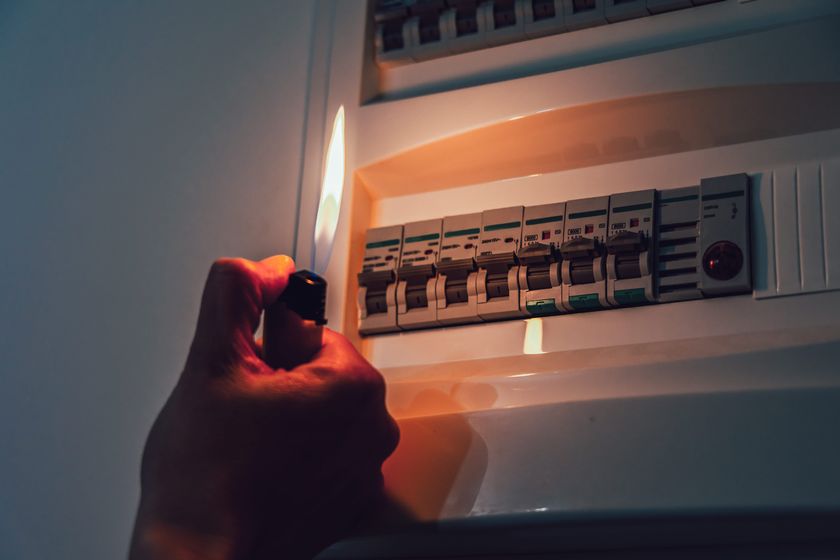
Ignoring a consistently tripping circuit breaker can lead to electrical damage or even fire, so consult a professional for assistance.
A faulty circuit breaker isn’t just annoying — it could signify a bigger problem. If your breaker keeps tripping, it’s typically an overloaded circuit, overheated appliance, electrical short, or ground fault issue. Each problem has several potential causes, so troubleshooting the specific issue can quickly become complex and frustrating.
If this happens in your home, contact a service professional to address it immediately. Ignoring the issue could result in major electrical damage, electrical shock, or even a fire. Following some appliance safety tips and a few simple steps can help protect major appliances and allow you to determine the source of the problem.
1. Overheating Appliance
When an appliance overheats, it may trip the breaker. This is especially common with units that draw a lot of electricity, which includes:
- Washers and dryers
- Microwaves
- Air conditioners
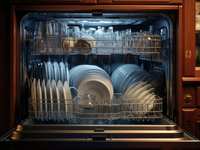
- Dishwashers
- Refrigerators
- Ovens
Think about the major appliances on the circuit you’re having trouble with. Have you used one of your appliances more frequently lately? Does the appliance get very hot when in use? Double-check the manufacturer’s recommendations to ensure you’re not misusing the appliance or neglecting essential maintenance.
However, if you’ve been using your overheating appliances correctly, it could be a sign of a different issue. For example, a dryer might overheat and trip the breaker if a vent is blocked, a component has worn out, or there’s an electrical short somewhere.
How To Fix It
To run your high-power appliances safely and prevent tripped breakers:
- Keep your appliances clean: Regularly clean dirt, dust, and grease that accumulate on all your major appliances. Pay special attention to the coils, vents, filters, and cables.
- Be careful with extension cords: Avoid overloading extension cords beyond their capacity. Always use an extension cord with safety testing, and never plug an extension cord into another extension cord.
- Inspect outlets: Keep an eye out for signs of overloaded outlets, such as soot or sparks, when plugging in electronics. Ensure electrical connections and cords are secure and undamaged. Unplug appliances when not in use to prevent them from generating heat.
- Check the condenser: Keep an eye on appliances with condensers, like refrigerators, freezers, and some types of dryers. Clogged condensers can overheat, especially during the summer months.
- Practice preventative maintenance: Remove lint from the dryer after each load to prevent overheating and potential fire hazards. Clean appliances and their vents frequently to prevent overheating.
2. Overloaded Circuit
When a circuit tries to draw more power than it’s designed for, the circuit wires heat up, and the circuit breaker trips. This cuts off the flow of electricity to prevent further problems and potential damage to the circuit, electronics, or home. If you’re experiencing any of the following warning signs, it’s likely the result of an overloaded circuit breaker:
- Flickering or dimming lights
- Buzzing or humming sounds
- Burning smells
- Warm-to-the-touch wires
- Overheated appliances or electronics
How To Fix It
Get to the bottom of your overloaded circuit is overloaded:
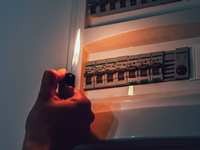
- Identify the overloaded circuit: In addition to signs like flickering or dimming lights, buzzing and humming sounds, warm-to-the-touch wires, and other signs discussed, check the breaker box for a flipped breaker switch.
- Switch the tripped breaker on: Switch the tripped breaker to the “off” position and then back to “on.”
- Plug your appliances back in: Plug your appliances and electronics back in, one at a time. Stop this process immediately if you see any damage to wall outlets or external wires.
- Shift devices to another circuit: Shift some devices from the overloaded circuit to another general-purpose circuit to redistribute the load and prevent overheating.
- Use appliances sequentially: Use only one high-wattage appliance at a time. For example, if the microwave keeps tripping the breaker, wait until you’re finished with other appliances before using it.
- Install dedicated circuits: Consider hiring a professional to install dedicated circuits for high-power appliances.
3. Short Circuit
A short circuit is when there’s a low-resistance connection between two points in an electrical circuit. When this happens, the electrical current follows an unintended pathway and creates excessive current flow. This can occur in an outlet, a switch, or inside an appliance when the following happens:
- A hot wire comes into contact with another hot wire, a neutral wire, or the ground.
- Wires are damaged or severed (e.g., from rodent damage).
- Components in an appliance or electrical system are damaged or loose.
Short circuits create a surge of electricity that, at a minimum, can cause a breaker to trip. They can also lead to overheating, electrical fires, and damage to electronic devices, systems, and appliances. They pose significant property and personal safety risks. Identify and promptly address short circuits with the help of a service professional to prevent these potential hazards.
How To Fix It
Never try to fix a short circuit yourself, as it can be very dangerous. You can reset the breaker or investigate if a specific appliance is the issue yourself, but always hire a professional before you go any further.
- Reset the breaker: Unplug all appliances and turn off switches on the circuit. Reset the breaker and observe if the short occurs immediately, which indicates a problem with the entire circuit or electrical system. If not, the issue is likely within a specific circuit.
- Isolate the culprit: If the short is isolated to a specific circuit, systematically flip light switches to identify the source of the short circuit. If the breaker doesn’t trip, the problem may be with a specific appliance. Plug in the appliances one by one to identify the cause of the short.
- Call a professional: Fixing a short circuit can be complex and potentially dangerous — do not attempt to DIY a short circuit repair. When a service professional diagnoses an electrical short problem, they don’t just look for visible damage to wires and parts. They also test the outlet to determine whether the short circuit occurs within the appliance or at the outlet or switch to resolve the true root of the problem.
4. Ground Fault
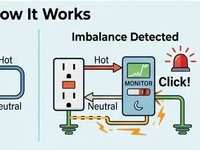
A ground fault is a specific type of short circuit that occurs when a hot wire (current flowing through it) touches a grounded part of a switch box, appliance, or bare ground wire. This event causes the breaker and GFCI (ground fault circuit interrupter) outlets to trip. Ground faults may occur due to:
- Water leaks
- Wire damage
- Appliance damage
How To Fix It
Do not attempt to repair a ground fault yourself. Ground faults can be a dangerous indicator that water and electricity are making contact. Don’t risk electrocution, injury, or worse. Leave all the troubleshooting and repair work to a trusted service professional like Mr. Appliance.