- Categories :
- More
How to Calm Body Stress and Feel Steadier
By:
 Frequency Diva
| Published 09/25/2026
Frequency Diva
| Published 09/25/2026


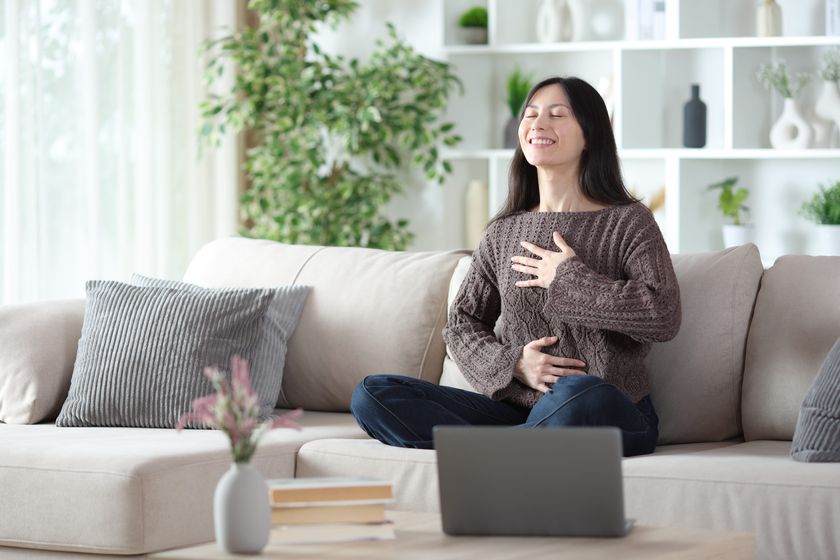
Your shoulders creep toward your ears during traffic. Your jaw stays tight long after the workday ends. You finally sit down, yet your body still feels as if it has somewhere urgent to be. That is body stress - and learning how to calm body stress starts with recognizing that you do not have to think your way out of a physical stress response.
Stress is not always a dramatic event. For many busy adults in Magnolia, The Woodlands, and North Houston, it builds quietly through packed schedules, caregiving, interrupted sleep, work demands, pain, and too little time to recover. Your body may answer with muscle tension, shallow breathing, headaches, digestive discomfort, fatigue, restlessness, or a feeling of being emotionally on edge.
The goal is not to create a perfectly stress-free life. It is to give your nervous system regular signals of safety, rest, and support so your body has more opportunities to return to balance.
What Body Stress Can Feel Like
The body is designed to respond to challenge. In a short-term stressful moment, your system may increase your heart rate, tighten your muscles, and sharpen your focus. That response can be useful when you need it. The trouble comes when the body stays in that activated state long after the immediate demand has passed.
You may notice it as a familiar pattern: neck and shoulder tightness by midafternoon, low back discomfort after a long day at a desk, waking up tired despite spending enough time in bed, or feeling unable to fully relax at home. Some people feel stress most strongly in their chest or stomach. Others carry it through clenched hands, aching hips, or a persistent sense of exhaustion.
These signs are real, but they are not always caused by stress alone. Ongoing, severe, or unusual symptoms deserve medical attention. Seek urgent care for symptoms such as chest pain, trouble breathing, fainting, sudden weakness, or thoughts of harming yourself. Holistic care can be a meaningful part of wellness support, but it should complement appropriate medical care when needed.
How to Calm Body Stress in the Moment
When your system is overloaded, complicated routines can feel like one more task. Start small. A few minutes of intentional care can help interrupt the tension cycle and remind your body that it can soften.
Begin with a longer exhale
Your breath is one of the fastest ways to influence how settled you feel. Rather than forcing a huge inhale, let your exhale become a little slower and longer. Try inhaling gently through your nose for a count of four, then exhaling for a count of six. Repeat for one or two minutes.
A longer exhale will not erase a difficult situation, but it may reduce the feeling of being swept away by it. Keep your shoulders relaxed and your breath comfortable. If counting feels stressful, simply sigh out slowly a few times.
Give tense muscles a clear release cue
Stress often hides in places you have stopped noticing. Pause and check your jaw, shoulders, hands, belly, and hips. Let your tongue rest away from the roof of your mouth. Unclench your hands. Lower your shoulders. Put both feet on the floor and press them down gently.
This works best when you do not demand instant relaxation from yourself. Think of it as an invitation, not a command. Your body may need several small reminders before it lets go.
Use grounding when your mind is racing
Grounding returns attention to what is physically present instead of what might happen next. Look around and name a few colors in the room. Notice the support of your chair beneath you. Hold a cool glass of water, step outside for fresh air, or slowly wash your hands in warm water.
The point is not distraction. It is connection. Sensory details can bring you back into the current moment when stress has pulled you too far ahead.
Add gentle movement instead of pushing harder
A tense body often benefits from movement, but intensity is not always the answer. If you are already depleted, a punishing workout can leave you feeling more drained. Try a five- or ten-minute walk, shoulder rolls, easy stretching, or slow movement around your home.
If you have been sitting all day, movement helps circulation and gives tight muscles a chance to change position. If your body is sore, listen closely. Comfortably moving is different from forcing through pain.
Build a Daily Rhythm That Supports Recovery
Quick calming techniques are helpful, but body stress usually responds best to steady, repeated care. Your nervous system learns from what happens consistently. Small practices done often can be more supportive than one perfect self-care day every few months.
Start by creating a transition between the demands of the day and your evening. Before you begin dinner, open your laptop, or move into family responsibilities, take five quiet minutes. Sit in the car before going inside. Change clothes. Take a short walk around the block. Stretch while the coffee brews. This pause tells the body that one part of the day is ending.
Sleep also matters, though stress can make quality sleep difficult. Keep your evening as predictable as life allows. Dim lights, reduce stimulating screen time when possible, and choose one calming signal you can repeat: a warm shower, gentle stretching, quiet music, or a few slow breaths. Consistency matters more than doing it perfectly.
Food and hydration deserve a practical mention too. Skipping meals, relying heavily on caffeine, or forgetting to drink water can leave the body feeling more jittery and depleted. There is no single ideal plan for everyone, but regular nourishment gives your body a steadier foundation for handling daily demands.
Let Support Be Part of Your Stress Care
Many people wait until tension becomes painful before seeking support. A more restorative approach is to treat bodywork as regular care for a body that works hard every day. Therapeutic massage can encourage deep relaxation while addressing areas that commonly hold stress, including the neck, shoulders, back, hips, hands, and feet.
Massage is not only about feeling pampered. A personalized session gives you protected time to stop bracing, breathe more deeply, and reconnect with what your body needs. Pressure, focus areas, and session goals can be adjusted based on whether you are dealing with post-work tension, physical recovery, persistent tightness, or simple exhaustion.
For clients who are interested in a broader wellness perspective, energy-based services and frequency scanning can also be part of a personalized self-care conversation. These options are not a substitute for medical diagnosis or treatment. They can, however, offer a quiet space to reflect on your wellness goals and support a more intentional routine.
At A Great Massage, care is centered on the individual - your comfort, your tension patterns, and the kind of restoration you are seeking. A by-appointment setting allows your session to feel personal rather than rushed, whether you are new to massage or already make holistic wellness a priority.
Know When Stress Needs More Than Self-Care
Self-care is powerful, but it is not meant to make you carry everything alone. Consider speaking with a licensed health care or mental health professional if anxiety, low mood, panic, insomnia, pain, or exhaustion is interfering with work, relationships, or daily life. Extra support is a sign of wise care, not weakness.
It also helps to be honest about the source of your stress. Sometimes a breathing practice is exactly what you need. Other times, the most calming next step is setting a boundary, asking for help, scheduling a medical visit, or making room in an overfull calendar. Your body may be asking for rest, but it may also be asking for change.
Make Calm a Practice, Not a Reward
You do not need to earn rest by reaching the point of burnout. Calm can be woven into ordinary moments: one slower breath before answering a message, a stretch between meetings, a nourishing meal, a quiet massage session, or a decision to leave one nonessential task for tomorrow.
Your body is always communicating. Meet those signals with patience, consistent care, and the kind of support that helps you feel more at home in yourself.