- Categories :
- More
Why Do My Teeth Hurt When I Eat Something Cold or Hot?
By:
 Smiles by Dr. A - Tasnim Arsiwala, DMD
| Published 09/21/2026
Smiles by Dr. A - Tasnim Arsiwala, DMD
| Published 09/21/2026


Why Do My Teeth Hurt When I Drink Cold Water? (And How to Fix It)
By Dr. Tasnim Arsiwala | Smiles by Dr. A
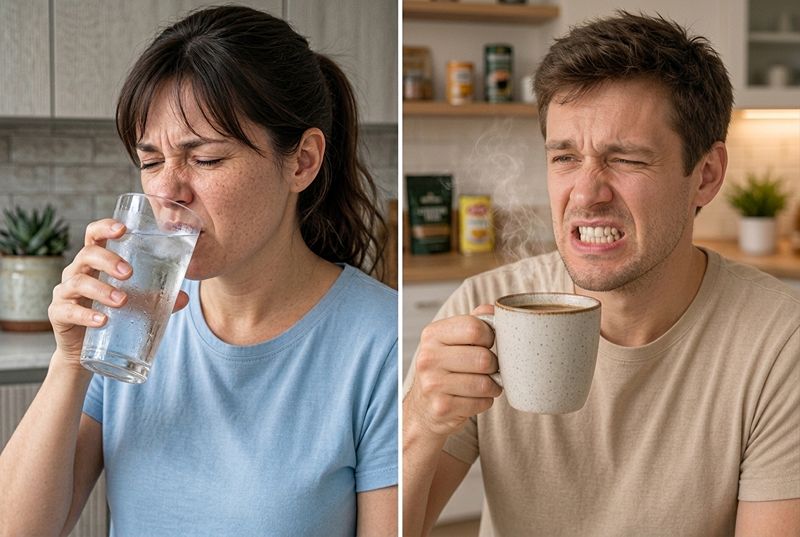
That sharp little jolt when ice water hits your teeth—or the sudden flinch from hot morning coffee—is something almost everyone goes through at least once. While occasional tooth sensitivity is common, you don't have to just live with it!
Your teeth are sending you a quick message. Understanding what they are saying can help you decide when it’s time to see a dentist in The Woodlands.
What Does Tooth Sensitivity Feel Like?
It usually hits as a sudden, sharp ziggle of discomfort right when something hot, cold, sweet, or sour touches your tooth. Common triggers include:
- Iced drinks, ice cream, or cold water
- Hot coffee, tea, or soup
- Sweets or citrus foods
- Brushing or flossing certain spots
- Breathing in chilly air
Why Do Hot and Cold Temperatures Cause Tooth Pain?
Tooth sensitivity happens when your outer protective layer (enamel) wears down or your gums pull back, exposing the sensitive layer beneath called dentin. Dentin is full of tiny microscopic pathways leading straight to the nerve inside your tooth. When temperature hits those open pathways, the nerve reacts instantly.
The Top 6 Reasons Your Teeth Are Sensitive
1. Worn Enamel
Brushing too hard, grinding your teeth, or drinking acidic beverages can wear away your enamel over time.
2. Receding Gums
When gums pull back, they expose the root of the tooth, which doesn't have a thick enamel shield to protect it.
3. Cavities
A cavity creates a hole through the outer enamel, giving cold and hot direct access to the nerve.
4. Cracked Teeth
Even a tiny hairline crack lets temperature changes seep inside the tooth.
5. Nighttime Grinding
Clenching or grinding your jaw while sleeping puts heavy pressure on teeth, creating micro-cracks and irritating the nerve.
6. Recent Dental Work
New fillings, crowns, or teeth whitening can leave your teeth temporarily sensitive for a few days.
Does Tooth Sensitivity Always Mean I Have a Cavity?
No! Cavities are only one potential culprit. Worn enamel, gum recession, night grinding, or simple micro-cracks can cause the exact same reaction. A quick dental checkup is the best way to figure out the true cause.
Why Is Only One Single Tooth Hurt?
When sensitivity is spread across all your teeth, it's usually general enamel wear or diet. But when just one specific tooth acts up, it usually means a localized issue—like a small crack, a cavity, or an old filling that needs replacing.
Easy Habits to Prevent Tooth Sensitivity at Home
- Use a soft brush: Switch to a soft-bristled toothbrush and brush gently.
- Try sensitive toothpaste: Formulas with potassium nitrate help block nerve signals.
- Floss daily: Keeping your gum line clean prevents gum recession.
- Watch acidic foods: Limit frequent sipping on sodas, lemons, or sports drinks.
- Don't chew ice: Crunching hard objects can crack your enamel.
Treatment Options in The Woodlands
Relief depends on what's causing the issue:
- For worn enamel or root exposure: In-office protective coatings or desensitizing treatments.
- For cavities: A simple, tooth-colored filling.
- For cracks: A protective crown to support the tooth structure.
- For grinding: A custom nightguard to protect your enamel while you sleep.
Ready for Relief in The Woodlands?
You don't have to give up ice cream or hot coffee! Identifying the cause is a quick and simple process.
If tooth sensitivity is keeping you from enjoying your favorite foods, Dr. Tasnim Arsiwala at Smiles by Dr. A is here to help.
Serving patients in The Woodlands, Conroe, Shenandoah, Magnolia, Spring, and Montgomery County. Contact Smiles by Dr. A today to schedule your visit and get back to eating and drinking comfortably!