- Categories :
- More
Muscle Recovery: A Gentler Way Back to Motion
By:
 Frequency Diva
| Published 09/16/2026
Frequency Diva
| Published 09/16/2026


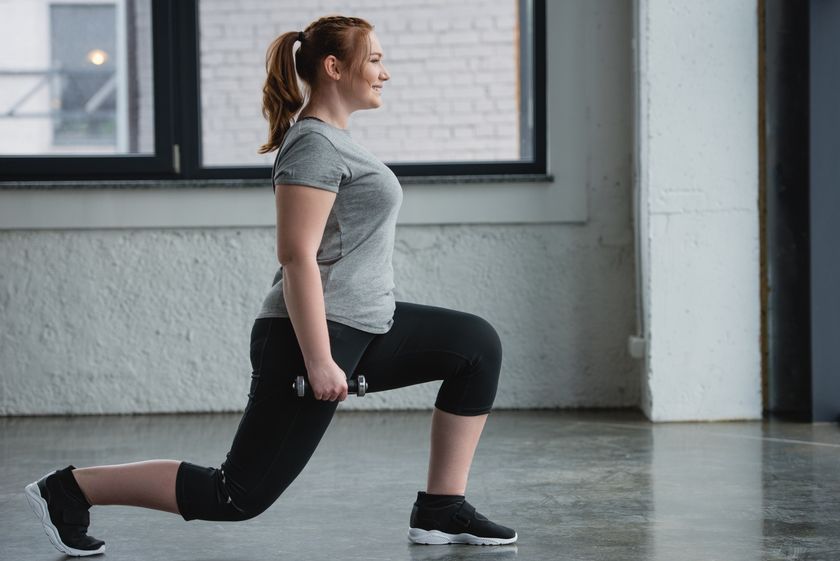
A challenging workout, a long shift on your feet, a Saturday in the yard, or a stressful week spent holding tension in your shoulders can all leave the body asking for care. Muscle recovery is not about pushing through soreness or waiting for discomfort to become unbearable. It is the gentle, intentional process of helping your body restore movement, circulation, comfort, and energy.
For many people in Magnolia, The Woodlands, and North Houston, recovery has to fit into real life. You may be balancing work, family, errands, exercise, and the everyday demands that leave little room for rest. The good news is that supportive recovery does not have to be complicated. A few consistent habits, combined with personalized bodywork when you need deeper care, can help you feel more at home in your body.
What Muscle Recovery Really Means
Your muscles work hard during exercise and daily activity. Afterward, they need time and resources to adapt. That may mean rebuilding after a strength workout, releasing tightness from repetitive movement, or settling the full-body fatigue that follows a demanding season of life.
Soreness can be a normal response to unfamiliar or intense activity, particularly when it appears a day or two later. But recovery is more than simply waiting for that soreness to fade. It includes sleep, hydration, nourishing food, circulation, stress support, and a willingness to adjust your pace when your body is signaling that it needs it.
There is no single recovery routine that works perfectly for everyone. A runner preparing for another training day may need a different approach than a busy parent with low-back tension, or someone returning to movement after a long break. The goal is not to follow a rigid formula. It is to notice what your body needs and respond with care.
The Foundations of Healthy Muscle Recovery
Rest is part of progress
Rest days are not lost days. They give the body space to repair and adapt, and they can help prevent the cycle of doing too much, feeling depleted, and stepping away from movement altogether. Rest does not always mean complete stillness. Sometimes it means replacing an intense workout with a walk, light stretching, or a quieter day at home.
Sleep deserves special attention. When sleep is short or interrupted, soreness can feel heavier, energy can dip, and the body may have a harder time bouncing back. A consistent bedtime, a cool and comfortable room, and a simple wind-down routine can make a meaningful difference. Even small improvements in sleep often show up as better mood, steadier energy, and easier movement the next day.
Hydration and nourishment support the work
Water supports normal circulation and helps your body function well after activity, especially in the Texas heat. If you have been sweating heavily, drinking water throughout the day and including electrolyte-rich foods or beverages may be helpful. Rather than trying to catch up all at once, keep hydration steady before, during, and after activity.
Meals matter, too. After exertion, your body benefits from protein to support muscle repair and carbohydrates to replenish energy. A balanced plate can be wonderfully simple: eggs and toast after a morning workout, yogurt with fruit and nuts, chicken with rice and vegetables, or beans, avocado, and a baked sweet potato. Consistency matters more than chasing a perfect post-workout meal.
Gentle movement can ease stiffness
When you are sore, it is tempting to become completely still. Yet gentle movement can often help you feel less stiff and more comfortable. Easy walking, relaxed mobility work, light stretching, or a slow yoga practice may encourage circulation without adding more strain.
The key is to stay well below the intensity that created the soreness. Stretching should feel like a comfortable opening, not a test of endurance. If a movement creates sharp pain, numbness, swelling, or a feeling that something is not right, stop and seek appropriate medical guidance.
Where Therapeutic Massage Fits Into Muscle Recovery
Therapeutic massage can be a valuable part of a recovery routine because it gives the body a dedicated pause. Skilled, attentive touch can help ease areas that feel tight or overworked, encourage relaxation, and support a greater sense of mobility and well-being. Just as importantly, a massage session creates space to breathe, slow down, and reconnect with what your body has been carrying.
For active clients, massage may be scheduled after an event, during a high-training period, or as regular maintenance. For clients whose tension comes from desk work, caregiving, driving, or chronic stress, the timing may be less about a workout and more about restoring comfort before tension builds further.
Pressure should always match your needs. Deeper is not automatically better, especially when muscles are already tender from a demanding workout. A thoughtful massage therapist can adjust the session to your comfort level, focusing on areas that need attention while allowing your nervous system to settle. The best session is not the one that leaves you feeling bruised. It is the one that leaves you feeling supported.
At A Great Massage, each appointment is approached as individual care rather than a one-size-fits-all routine. Whether your body needs restorative massage, stress relief, or a moment to reset after physical activity, your session can be shaped around how you feel that day.
Recovery Is Also About Stress
The body does not separate emotional stress from physical stress as neatly as we might like. Tight jaws, raised shoulders, shallow breathing, restless sleep, and aching hips can all be part of a body that has been operating in high gear for too long. You can eat well and exercise regularly, yet still feel like you are not fully recovering if your system never receives a true chance to come down.
A few minutes of intentional quiet can help. Try placing one hand over your chest and one over your abdomen, then taking slow breaths that allow the belly to rise and fall. Take a warm bath, spend time outdoors, reduce screen time before bed, or choose a calming practice that feels natural to you. These are not luxuries reserved for special occasions. They are ways of reminding the body that it is safe to rest.
For people who appreciate a broader wellness approach, energy-based services and frequency-focused support may also feel like a meaningful complement to hands-on bodywork. These practices are personal wellness tools, not replacements for medical diagnosis or treatment, but they can offer another intentional moment to check in with your overall sense of balance.
How to Know When to Scale Back
A little soreness that improves over a few days is different from pain that changes the way you walk, sleep, or use a joint. Pay attention if discomfort is sharp, severe, worsening, accompanied by significant swelling or bruising, or followed by an injury. Persistent weakness, numbness, tingling, chest pain, shortness of breath, fever, or dark-colored urine after extreme exertion are also reasons to contact a medical professional promptly.
Scaling back is not failure. It may be the wisest next step. Your body communicates through sensation, energy, and movement. Listening early can protect your ability to stay active in the long run.
Create a Recovery Rhythm You Can Keep
The most effective recovery plan is one you will actually practice. Instead of trying to overhaul everything, begin with a few choices that feel realistic. Drink more water on active days. Build a dependable bedtime routine. Take a ten-minute walk when you are stiff. Schedule bodywork before tension becomes the new normal.
Notice the patterns that affect you personally. Perhaps you recover best when you eat a balanced meal soon after exercise. Maybe your shoulders feel lighter after regular massage, or your legs respond well to a gentle walk the day after strength training. Your recovery rhythm can change with the seasons, your activity level, and the demands on your life.
Treat recovery as a relationship with your body, not a chore on a checklist. When you give yourself permission to rest, receive care, and move with intention, you create more room for strength, vitality, and the simple freedom to enjoy your days with greater ease.