- Categories :
- More
What Is Bora-Care? A Property Owner’s Guide to Termite, Carpenter Ant & Wood-Destroying Insect Protection
By:
 Alli Pest Control
| Published 11/10/2026


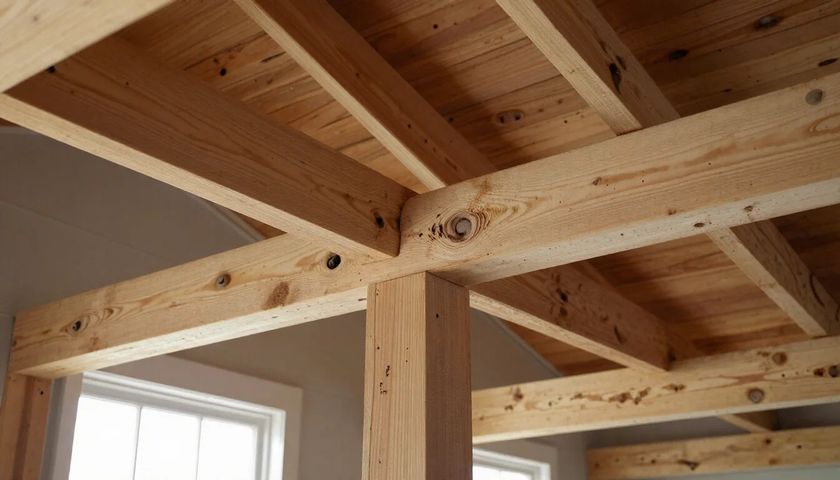
If you have ever wondered why some pest professionals talk about treating the wood itself rather than just the soil around your home, Bora-Care is usually what they mean. It is a borate-based wood treatment that is applied directly to exposed structural lumber to help protect it from the organisms that feed on or nest in wood.
This guide explains what Bora-Care wood treatment is used for, how preventative and remedial treatment differ, when a professional inspection matters, and how residential and commercial projects compare. Product use and application always follow the current product label and applicable requirements.
What Is Bora-Care Wood Treatment?
Bora-Care is a borate (boron-based) product that penetrates structural lumber when applied to bare, exposed wood. Instead of building a chemical barrier in the soil, it makes the wood itself resistant to the organisms that damage it.
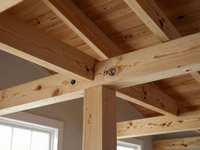
A licensed technician applies it as a spray or brush-on coat to framing, joists, sill plates, and other exposed wood. The product soaks into the wood fibers, where it helps stop termites, carpenter ants, wood-boring beetles, and wood-decay fungi from damaging the lumber.
Because it relies on penetration, Bora-Care works best on raw, unfinished wood. Painted, stained, or sealed surfaces resist absorption, so treatment is most effective during construction, renovation, or whenever framing is exposed.
What Bora-Care Helps Protect Against
Wood-destroying organisms each damage lumber differently. Borate treatment targets the wood they rely on:
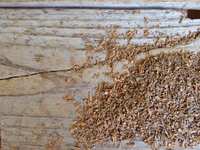
Termites consume cellulose in structural lumber. A borate treatment is absorbed into the wood so foraging termites ingest it as they feed.
Carpenter ants do not eat wood — they hollow it out for nesting galleries. Treated framing is less hospitable to ants excavating new nest sites.
Wood-boring beetles (such as powderpost beetles) lay eggs in wood pores, and larvae tunnel through it for months or years. Borate targets the wood the larvae feed on.
Wood-decay fungi (rot) weaken structural integrity. Borate products are labeled to help control decay fungi on treated lumber, but fungi require moisture — so treatment must be paired with moisture correction, not used as a standalone fix for active leaks.
Preventative vs. Remedial Treatment
The right approach depends on what an inspection finds.
Preventative treatment is applied to sound, unprotected wood before any infestation takes hold. It is ideal during new construction, additions, and renovations, when framing is exposed and reachable. The goal is to make the wood resistant to future attack.
Remedial treatment is applied to wood that already shows signs of insect activity or fungal growth, alongside any needed repairs. An inspection confirms which organisms are present and whether damaged lumber must be replaced by a contractor before treatment.
Both treat the wood directly, but they serve different situations. A professional inspection determines which fits your property.
When a Professional Inspection Matters
Wood treatment should never be applied blindly. A professional inspection tells you exactly what is happening in your structure before any product goes down.
An inspection identifies whether live insects are present, which species are involved, where the vulnerable or infested wood is located, and what conducive conditions — moisture, wood-to-soil contact, poor ventilation — need correction. Treating wood without fixing those conditions only delays the problem.
For real estate transactions, a Wood-Destroying Insect (WDI) inspection also provides the official documentation lenders often require.
What Property Owners Should Prepare
- Provide clear access to the crawl space, attic, or framing being treated.
- Clear stored items and clutter away from wood framing and access panels.
- Repair active plumbing or roof leaks before treatment so wood can dry.
- Plan for people and pets to leave the treatment area until surfaces are dry.
- Tell the technician about any termite, ant, or beetle activity you have observed.
- Ask whether painted or sealed wood needs to be stripped for treatment to penetrate.
How Residential and Commercial Projects Differ
The product is the same, but the project context differs.
Residential projects usually involve a single home — a crawl space, attic, or exposed framing during a remodel. Coordination is straightforward: schedule access, treat the wood, and confirm re-entry timing.
Commercial projects involve builders, renovation contractors, property managers, and facility teams. Timing is tied to the build schedule (often after rough framing, before close-in), and occupied buildings require tenant coordination, pre-service notices, and documentation for project records. Commercial projects also tend to involve larger footprints, shared structures, and multiple moisture sources.
Both benefit from pairing wood treatment with a full termite control program and annual inspections.
When to Ask About Mold or Water-Damage Concerns
Borate products are labeled to help control wood-decay fungi on treated lumber, but they are not a universal mold-prevention solution and will not stop mold caused by ongoing moisture. If you see visible mold, water stains, soft or crumbling wood, or smell a persistent musty odor, those point to an active moisture problem that a contractor must repair.
Ask your pest professional to flag conducive conditions during the inspection, and direct any health-related mold questions to a qualified indoor-environment or medical professional. For pet concerns, contact your veterinarian.
Is Bora-Care Treatment Safe?
When applied according to the product label by a licensed technician, borate wood treatment is designed for use in and around structures. People and pets are asked to stay out of the treatment area until treated surfaces are completely dry.
We do not claim the treatment is non-toxic, permanent, guaranteed, or a standalone mold remedy. Product use always follows the current label and applicable requirements. For any health question, consult a qualified medical professional.
Disclaimer
Disclaimer: This article is for educational purposes only. Bora-Care and borate wood treatment products are applied according to the current product label and applicable requirements. This article does not claim the treatment is non-toxic, permanent, guaranteed, or a universal mold-prevention solution, and does not copy manufacturer text. For health questions, consult a qualified medical professional; for pet concerns, contact a veterinarian. Always consult a licensed pest control professional regarding your specific property.