- Categories :
- More
Categories
Termite Inspections for Home Buyers in The Woodlands: Your Complete Guide
By:
 Alli Pest Control
| Published 07/13/2026
Alli Pest Control
| Published 07/13/2026


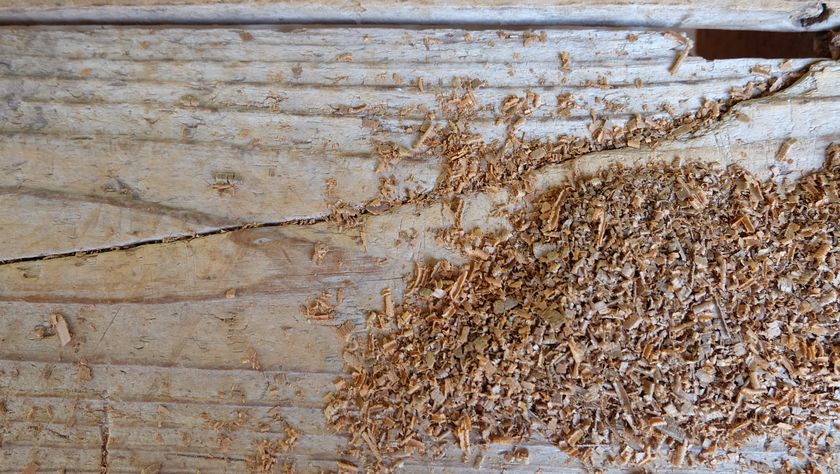
Buying a Home? Don't Skip the Termite Inspection. Purchasing a home in The Woodlands is an exciting milestone, but it also comes with significant responsibilities. One of the most critical steps in the home-buying process is ensuring the property is structurally sound and free from hidden pests. While a standard home inspection covers plumbing, electrical, and structural systems, it typically does not cover wood-destroying insects (WDI). That's where a specialized termite inspection becomes absolutely essential.
What Is a Termite Inspection (WDI Inspection)?
A Wood-Destroying Insect (WDI) inspection is a comprehensive evaluation of a property to detect the presence of termites and other wood-damaging pests, such as carpenter ants, carpenter bees, and wood-boring beetles. During this inspection, a licensed pest control professional examines the home's exterior and interior, looking for live insects, dead insects, shelter tubes (mud tubes), exit holes, and visible damage to wood structures. The inspector will provide a formal WDI report detailing their findings, which is often required by lenders before finalizing a mortgage.
Why Termite Inspections Matter in The Woodlands
The Woodlands, with its dense forests, abundant pine trees, and high humidity, provides the perfect environment for subterranean termites to thrive. Our warm, subtropical climate means termites remain active nearly year-round. Because termites live underground and eat wood from the inside out, extensive structural damage can occur long before you ever see a swarm. By the time visual evidence appears, repairs can cost thousands of dollars. A thorough WDI inspection protects you from inheriting someone else's expensive pest problem.
When Do You Need a Termite Inspection?
- Before Purchase (During Escrow): Always schedule a WDI inspection during your option period so you can negotiate repairs or walk away if major damage is found.
- Lender Requirement: If you are using a VA, FHA, or HUD loan, a WDI inspection is typically mandatory.
- After Purchase & Periodic Inspections: Even after purchasing, homeowners in The Woodlands should schedule annual termite inspections to catch new activity early.
What Happens If Termites Are Found?
If your inspector finds evidence of active termites or prior damage, don't panic. Finding termites doesn't mean you have to abandon the purchase. Here are the typical next steps: 1. Treatment: The home will need a professional termite treatment to eliminate the colony. 2. Repairs: A contractor should evaluate any structural damage to determine repair costs. 3. Negotiation: Your real estate agent can help you negotiate with the seller to cover the cost of treatments and necessary repairs before closing.
The Cost of a Termite Inspection
In The Woodlands area, a professional WDI inspection generally costs between $75 and $150, depending on the size of the home and whether it has a crawl space or slab foundation. Given that termite damage repairs average around $3,000 nationwide, this small upfront cost is one of the best investments you can make during the home-buying process.
What to Expect During Your Inspection
A standard termite inspection usually takes 45 minutes to an hour. The inspector will: • Examine the exterior foundation for mud tubes and conducive conditions (like soil touching siding). • Inspect the interior, tapping on baseboards, window frames, and door frames to check for hollow wood. • Check the attic and garage for signs of swarmers, frass (termite droppings), or wood damage. • Look under sinks and around plumbing penetrations where moisture attracts pests.
How to Prevent Termite Problems in Your New Home
- Ensure gutters and downspouts direct water away from the foundation.
- Keep firewood, lumber, and wood debris at least 20 feet away from your home.
- Maintain a 6-inch gap between soil or mulch and the siding of your house.
- Fix leaky faucets and exterior AC condensation lines promptly.
- Schedule an annual termite inspection with a licensed professional.
Common Termite Inspection Myths
Myth: The home inspector already checked for termites. Fact: Standard home inspectors are looking at systems and structure. They are not licensed pest control technicians and often lack the specialized training to identify early signs of WDI activity. Myth: Brick or stucco homes don't get termites. Fact: Subterranean termites don't eat brick, but they will build mud tubes over the brick to reach the wood framing, drywall, and baseboards inside your home.
Disclaimer
Comments •

Alli Pest Control Blogs: (5)
Termite Inspections for Home Buyers in The Woodlands: Your Complete Guide

Mosquito Season in Southeast Texas: A Smarter Approach with the In2Care Mosquito System

10 Common Pest Control Myths Homeowners Should Stop Believing

Cold Snaps in Houston: How Rodents Sneak into Your Home (and How to Stop Them)

Uncovering the Truth: Dispelling Myths About Texas House Pests
Related Blogs: Home & Garden
Termite Inspections for Home Buyers in The Woodlands: Your Complete Guide

Why You Don't See Businesses in The Woodlands Until You're Almost There

Why Choose Weiss Air Conditioning & Plumbing?

Washing Machine Stuck on Wash Cycle? Causes, Fixes & When to Call
Why Is My Ceiling Fan Wobbling?
The Woodlands Summer Survival Guide: AC Repair, Slab Leaks, and Protecting Your Home from Triple-Digit Texas Heat

Seasonal Roof Care Tips Every Homeowner Should Know

July Lawn Care Tips for a Healthy Texas Lawn
Send to Someone
Verification Information

Please type the characters you see in this picture. Note: The characters are all lower case.
Type in what you see above: *