- Categories :
- More
How Gum Health Affects the Longevity of Restorations and Cosmetic Work in The Woodlands, TX
By:
 The Woodlands Dental Group
| Published 01/28/2026
The Woodlands Dental Group
| Published 01/28/2026


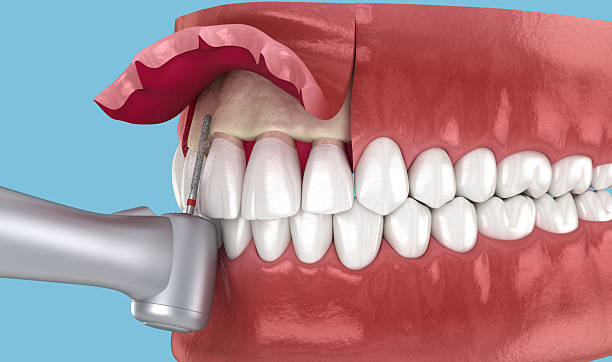
Dental restorations and cosmetic treatments depend on more than the materials used to create them. Crowns, veneers, bonding, and implants rely on healthy gum tissue for long-term support. When gums remain firm and free of inflammation, they help protect tooth structure and keep dental work stable over time.
When gum disease or ongoing inflammation is present, even high-quality dental work can begin to break down earlier than expected. Irritated gums may pull away from the tooth or restoration, allowing bacteria to reach areas that are difficult to clean. These changes often happen gradually, which means problems can develop before pain or obvious symptoms appear.
For patients in The Woodlands, TX, preventive dental care plays a central role in protecting long-term results. By keeping gums healthy, patients support the stability, appearance, and function of their cosmetic and restorative work for years to come.
Why Healthy Gums Are the Foundation of Long-Lasting Dental Work
Gums are living tissue that play an active role in protecting teeth and dental restorations. They form a firm seal around each tooth, help protect the underlying structure, and support the bone that holds teeth in place. When gums remain healthy, they create stability that allows dental work to function properly over time.
Healthy gum tissue helps keep restorations securely supported. It maintains a tight connection between the tooth, the gum, and the surrounding bone. This connection allows cosmetic and restorative dental work to stay stable, fit correctly, and last longer.
When gum health declines, the protective system around the tooth weakens. As the seal loosens, dental work becomes more vulnerable to gradual breakdown. Healthy gums provide the support structure that allows restorations to remain durable year after year.
What Healthy Gums Do for Restorations and Cosmetic Dentistry
Healthy gums create a natural seal along the edges of crowns and veneers. This seal protects the area where dental work meets the tooth and helps prevent bacteria from reaching sensitive margins. When this barrier remains intact, restorations are better protected from wear and decay.
Firm, even gum tissue also plays a major role in appearance. A stable gum line helps veneers and other cosmetic treatments blend naturally with surrounding teeth. When gums remain consistent in height and shape, the smile looks balanced rather than uneven.
Gum health works much like the foundation of a house. When the foundation stays strong, everything built on top remains stable. When that foundation weakens, problems can appear even if the structure itself was carefully made.
Why Dental Work Fails Faster When Gum Health Is Poor
When gums become inflamed, they may swell, bleed during brushing, or slowly recede from the tooth. As this happens, small gaps can develop along restoration margins. These spaces allow bacteria to collect in areas that are difficult to clean.
Over time, exposed margins make it easier for plaque and bacteria to settle beneath dental work. This process does not happen all at once. It develops gradually, often without discomfort, as gum tissue continues to lose its tight attachment.
As gum health declines, the long-term performance of dental work may weaken. Restorations may lose stability or protection simply because the supporting tissue can no longer maintain a secure seal. Maintaining healthy gums helps reduce this gradual breakdown and supports longer-lasting results.
How Gum Disease Impacts Different Types of Dental Work
Gum disease does not affect all dental treatments in the same way. Changes in gum tissue can influence how restorations fit, how they look, and how long they remain stable. Because each type of dental work interacts differently with the surrounding gums and bone, the long-term effects can vary from one treatment to another.
Patients exploring cosmetic dentistry in The Woodlands often benefit from understanding how gum health influences both appearance and long-term results. Understanding these differences helps explain why gum health plays such an important role in maintaining dental results over time.
Gum Health and Dental Crowns
Dental crowns sit at the gum line, where healthy tissue helps protect the edge of the restoration. When gum recession occurs, the margin where the crown meets the natural tooth can become exposed. This exposed area may allow bacteria to collect beneath the crown.
As bacteria reach the underlying tooth structure, the risk of decay below the crown increases. These changes often develop slowly and may not cause immediate discomfort. Patients with porcelain crowns in The Woodlands may notice visible crown edges or mild sensitivity as gum levels shift over time.
Gum Health and Porcelain Veneers
Porcelain veneers rely heavily on stable gum tissue for appearance. When gum recession occurs, the gum line may become uneven, which can affect how veneers look within the smile.
Even small changes in gum height can alter symmetry and make teeth appear longer or mismatched. This shift may draw attention away from the cosmetic result itself. For patients with veneers in The Woodlands, maintaining consistent gum levels helps preserve a balanced and natural-looking smile.
Gum Health and Dental Implants
Dental implants depend entirely on the health of the surrounding gum and bone tissue for support. Unlike natural teeth, implants do not have connective ligaments to help manage inflammation.
When gum inflammation develops around an implant, it can lead to irritation of the surrounding tissue and gradual bone loss over time. As bone support decreases, implant stability may be affected. Patients with dental implants in The Woodlands benefit from maintaining firm, healthy gums to help support long-term comfort and function.
Gum Health and Dental Bonding
Dental bonding is often placed close to the gum line, which makes it more sensitive to changes in surrounding tissue. When gums become inflamed or bleed easily, bonding margins may become more exposed.
Inflamed gums can increase the risk of staining along the bonding edges and may contribute to earlier material breakdown. Changes in gum height can also make bonding more noticeable over time. For patients with dental bonding in The Woodlands, TX, healthy gum tissue helps preserve both appearance and durability.
Early Signs of Gum Problems That Can Threaten Dental Work
Gum problems often develop slowly. In many cases, dentists notice early changes before patients feel pain or discomfort. These early warning signs can appear around existing dental work and may affect how well restorations hold up over time.
Recognizing subtle changes along the gum line can help protect crowns, veneers, bonding, and implants before more advanced problems develop. These early warning signs are often associated with gum disease in The Woodlands and may appear before patients realize a problem is developing.
Bleeding, Swelling, and Tenderness
Healthy gums do not bleed during brushing or flossing. When bleeding occurs, it often signals inflammation along the gum line. Swelling or tenderness may also be present, even when there is no pain.
As inflammation continues, the gums may lose their firm attachment to the teeth. This can weaken the natural seal that helps protect dental work from bacterial exposure.
Gum Recession Around Restorations
Gum recession often develops gradually and may not be noticeable at first. Patients may observe that teeth appear longer, the gum line looks uneven, or the edges of crowns, veneers, or bonding become more visible.
As gum tissue pulls away, protective coverage around restorations decreases. This exposure can make treated areas more vulnerable to buildup and long-term wear.
Persistent Bad Breath or Taste Changes
Ongoing bad breath or a lingering unpleasant taste may occur when bacteria collect beneath the gum line. This buildup can remain even with regular brushing and flossing.
When bacteria continue to irritate the gums, inflammation may persist. These symptoms often signal that gum health needs professional evaluation before dental work becomes affected.
How Preventive Dentistry Protects Cosmetic and Restorative Results
Preventive care plays a direct role in how long dental work lasts. Regular professional visits help control gum inflammation and allow early changes to be identified before they affect restorations. This connection is especially important for patients who have received restorative dentistry in The Woodlands and want their dental work to remain stable over time. When gum health remains stable, cosmetic and restorative treatments are better supported over time.
Patients with existing dental work often benefit from consistent preventive care. These visits help protect restoration margins, maintain gum stability, and reduce factors that may shorten the lifespan of dental treatments.
Professional Cleanings Reduce Inflammation
Professional cleanings remove plaque and buildup that cannot be fully addressed at home. When plaque collects near the gum line, it can irritate the tissue and lead to inflammation. Regular dental cleanings in The Woodlands help control plaque levels that contribute to ongoing gum irritation.
Routine cleanings help calm this irritation and support healthier gums. For patients receiving preventive dentistry in The Woodlands, professional cleanings play an ongoing role in protecting both natural teeth and existing dental work.
Dental Exams Catch Gum Issues Early
Dental exams allow dentists to monitor gum health trends over time. By comparing current findings with previous visits, subtle changes in gum position, tissue response, or bleeding patterns can be identified early.
Through regular evaluations, general dentistry in The Woodlands, TX supports early awareness of developing concerns. This approach helps address gum changes before they begin to affect crowns, veneers, bonding, or implants.
Personalized Maintenance for Cosmetic Patients
Cosmetic and restorative dental work often sits close to the gum line, where even small tissue changes can affect appearance or fit. When gum levels shift, restoration margins may become exposed or more difficult to keep clean.
Because of this, patients with cosmetic treatments may benefit from customized care schedules. More frequent monitoring helps maintain gum stability, protect restoration edges, and support long-lasting cosmetic results.
How Patients Can Protect Gum Health at Home
Daily habits play a meaningful role in keeping gums healthy between dental visits. Consistent care at home helps limit inflammation, reduce bacterial buildup, and support the tissue that protects dental work.
Simple routines performed gently and regularly can help maintain gum stability and support the long-term performance of cosmetic and restorative treatments.
Proper Brushing and Flossing Around Dental Work
Gentle brushing along the gum line helps remove plaque before it irritates the tissue. Using light pressure and paying attention to the area where the tooth meets the gum helps protect restorations and surrounding tissue.
Flossing should be done carefully to avoid snapping against the gums. Slow, controlled movement helps clean between teeth and around restoration margins while reducing irritation. Consistent daily hygiene supports a healthy seal between the gums and teeth.
Habits That Irritate Gums
Certain habits can place added stress on gum tissue. Smoking can reduce blood flow to the gums and make it harder for tissue to stay healthy. Brushing too aggressively may wear down the gum line and contribute to recession.
Poor diet habits can also affect gum health. Frequent sugary or acidic drinks, constant snacking, and low nutrient intake may increase plaque buildup and irritation along the gum line. Reducing these habits supports healthier gums and helps protect dental work over time.
FAQs About Gum Health and Dental Work
Can gum disease ruin cosmetic dentistry?
Yes. Untreated gum disease can shorten the lifespan of veneers, crowns, and implants by affecting the tissue that supports them.
Do implants require special gum care?
Yes. Dental implants depend entirely on healthy surrounding gum and bone tissue for long-term support.
Can gum problems be treated before cosmetic work?
Often, yes. Gum health is usually addressed first to create a stable foundation before cosmetic treatment begins.
Protect Your Dental Investment with Preventive Care in The Woodlands, TX
Dental work represents a long-term investment in both oral health and appearance. Protecting that investment depends on maintaining healthy gums that can continue to support restorations and cosmetic treatments over time.
At The Woodlands Dental Group, preventive care focuses on helping patients maintain stable gum health throughout every stage of treatment. With routine monitoring, consistent cleanings, and ongoing support, patients can protect the appearance, comfort, and function of their dental work.
Regular preventive visits allow potential gum concerns to be identified early, before they begin to affect crowns, veneers, bonding, or implants. By staying proactive with care, patients can support long-lasting results and maintain confidence in their smile.