- Categories :
- More
- Home Page
- All About Kids
- Apartments & Rentals
- Automotive & Cars
- Best of The Woodlands
- Between The Trees
- Blogs
- Business Directory
- Business to Business
- Car Dealers Guide
- Church Guide
- Classifieds
- Commercial Real Estate
- Community Services
- Contests
- Dental Guide
- Easter Events Guide
- Education & Schools
- Election Guide 2026
- Electronics & Computers
- Email Lists
- Employment Guide
- Entertainment & Arts
- Events Calendar
- Family Life
- Food & Drink
- Government
- Health & Medical
- Home Décor
- Home Improvement
- Homes For Sale
- Hotels Guide
- Industry & Research
- Insurance
- Internet & WWW
- Jobs Market
- Legal Services Guide
- Log-In - Register
- Marketplace
- Media Kit - Advertising
- Money & Finance
- Music & Nightlife
- News
- Parks Guide
- Patio Dining
- Personal Care & Beauty
- Pets
- Photo Galleries
- Podcasts
- Private School Guide
- Professional Services
- Real Estate Directory
- Religion
- Relocation Guide
- Restaurant Guide
- Shopping Guide
- Specials & Coupons
- Sports
- Sports Directory
- Spring Break Guide
- Summer Camp Guide
- Travel
- Video Directory
- Visitors Guide
- Wedding Guide
- Yard & Garden
- Blogs /
- Home & Garden /
- Ark Roofing and Restoration /
- The Smart Homeowner’s Guide to Summer Roof Maintenance
The Smart Homeowner’s Guide to Summer Roof Maintenance
By:
Ark Roofing and Restoration
| Published 03/16/2026
Summer brings more than sunshine and barbecues. It also delivers extreme heat, intense UV rays, unexpected storms, and thermal expansion. These seasonal stressors can cause shingles to warp or crack, loosen flashing, and weaken sealants. They increase the risk of water damage and premature roof failure.
The good news is that summer is the ideal time to take action. The dry weather and longer daylight hours offer the perfect window for inspections, cleaning, and minor repairs. By using this season wisely, you can protect your roof. These roof maintenance tips will help you extend your roof’s lifespan and avoid costly surprises when winter weather arrives.
This guide offers a clear, step-by-step approach for maintaining your roof in the summer months. Stay ahead of problems and safeguard your home.
Inspect the Roof from the Ground Up
Begin your inspection by surveying the roof safely from the ground. Use a pair of binoculars or a drone if you have one, and take your time scanning the surface. Look for missing or warped shingles, curling edges, or areas where the color seems darker or inconsistent. These could be signs of moisture buildup or algae growth.
Carefully inspect the flashing around roof penetrations like chimneys, vents, and skylights. Gaps, rust, or obvious extensive damage in these areas could allow water to enter your home during summer storms.
Also, observe the overall shape of your roofline. Any sagging or uneven sections may indicate structural damage that need immediate professional attention. If you’re not trained or equipped to safely climb onto the roof, it’s best to leave that task to a licensed, professional roofing company.
Clear Debris and Clean Gutters
After spring, it’s common for rooftops and gutters to accumulate debris like leaves, twigs, and organic matter. Even moss, algae, and lichen can become a cause for concern. Over time, this buildup can trap moisture against your shingles, encouraging mold and rot.
Start by removing visible debris from the roof’s surface, especially in valleys where materials tend to collect. Next, move to your gutters and downspouts. Clogged gutters cause overflow during rainstorms, and they may lead to water backing up under your shingles or spilling over and damaging your foundation. In some cases, neglected gutters can even cause fascia boards to rot and create conditions for basement flooding.
Thorough cleaning now ensures that water flows freely away from your home. This also gives you a chance to spot any cracks, sagging sections, or signs of rust in your drainage system.
Check Attic Ventilation and Insulation
What happens in your attic has a direct impact on your roof’s health. Poor ventilation can trap heat during the summer, baking the underside of your roofing materials and shortening their life.
Take time to inspect your attic on a warm day. If it feels like a sauna, your ventilation is lacking. Check for visible mildew or moisture stains, especially around the roof decking or insulation. Also look for signs of animal intrusion or pest damage, which can compromise airflow and introduce new problems.
Ensure soffit and ridge vents are free of obstructions and that insulation is evenly spread and dry. Good airflow in the attic keeps temperatures balanced, reduces humidity, and supports the long-term performance of your roof.
Examine for Heat or Sun Damage
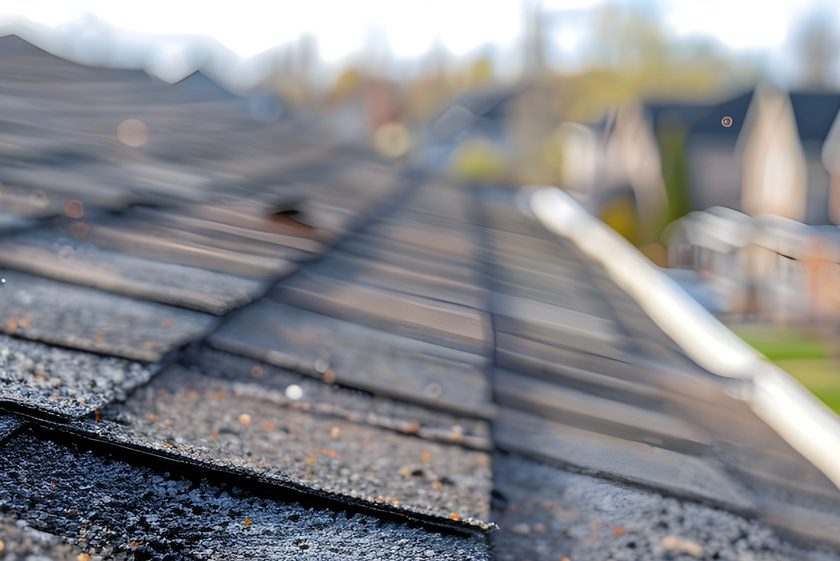
Prolonged sun exposure and high temperatures can degrade roofing materials—especially asphalt shingles. Over time, shingles may become brittle, blistered, or bleached from the UV rays, all of which signal deterioration.
Look for patches where the color has faded significantly or where shingles appear to be curling, cracking, or losing their granules. These are signs the shingles have begun to break down because of heat exposure.
In regions with intense summer sun, consider applying a UV-reflective roof coating. This can reduce surface temperatures and extend your roof’s life. If you’re thinking ahead to replace your roof in the future, lighter-colored shingles can also help reflect heat and keep your home cooler.
Address Minor Repairs Before They Grow
Small problems are easiest to fix in summer. Ignoring them can lead to major repairs after the next storm. Look for areas where sealants have dried or cracked, especially around flashing or vents.
Nail pops occur when nails push up through shingles. Consider reseating and resealing these.
You are able to repair a few missing shingles or minor damage in isolated areas quickly and inexpensively. Bring in a roofing professional to handle the job if the issues are more widespread. This is also a good idea if there’s underlying damage to the decking or underlayment.
Consider performing a mid-summer check-in. This gives you a chance to catch any new issues early, especially after strong winds or heavy rains.
Trim Nearby Trees and Overhanging Branches

If you have trees near your house, take a close look at how close the branches are to your roof. Overhanging limbs can scratch and puncture shingles during windy conditions. Falling debris like leaves and seed pods can clog gutters and trap moisture.
Keeping at least six to ten feet between the roof and any branches helps minimize this risk. Pruning trees back also makes it harder for pests like squirrels or raccoons to gain access to your roof or attic.
Tree trimming is a simple, proactive way to reduce damage from storms and discourage unwanted critters from making your home theirs.
Look for Signs of Moisture or Mold
Not all roof issues show up on the outside. Sometimes, the first clues are found inside your home. Check your ceilings and the upper portions of your walls for stains, peeling paint, or soft spots. These may indicate that water is making its way past your roof and into your home.
In the attic, examine the roof decking closely for signs of dampness, mold, or a musty smell. Any of these symptoms could mean a slow leak has developed. Left untreated, this moisture can compromise your insulation, weaken structural components, and create health hazards.
Catching moisture early is one of the most cost-effective things you can do to prevent long-term roof damage.
Schedule a Professional Roof Inspection
Even if everything looks fine to you, having a licensed roofing contractor conduct an inspection is wise. This is especially true if your roof is more than a decade old.
An expert will look at more than just the shingles. They’ll examine flashing, fasteners, underlayment, roof penetrations, and drainage systems, ensuring your roof is structurally sound and weather-ready. A good roofer can also identify early signs of trouble that aren’t visible from the ground or to an untrained eye.
Regular roof inspections are affordable, informative, and can give you peace of mind knowing that your roof is in top condition.
Plan for Future Improvements

Summer is also the ideal time to think about long-term upgrades that make your roof more durable and energy-efficient. Reflective coatings can help lower cooling costs by deflecting sunlight, while solar-ready roofing materials position your home for a greener future.
If you struggle with gutter clogs year after year, consider installing gutter guards or improving your downspout system to enhance water flow.
By planning improvements now, you can avoid emergency repairs later and take advantage of better weather and contractor availability.
Make This Summer Count for Your Roof
Seasonal roof maintenance is a smart investment in your home’s safety, efficiency, and long-term value.
By being proactive this summer, you can extend the life of your roof, cut down on energy costs, and avoid expensive emergency repairs. Whether you do it yourself or bring in a pro, consistent upkeep is key.
Make it a habit: set a reminder each year to perform this summer checklist. A little effort now can mean years of reliable protection overhead.
Your roof works hard all year. Consider giving it the care it deserves.
-
Menu Links  :
- Blogs Home
- News
- Events
- Photos
- Videos
- Start Your Blog