- Categories :
- More
Why Preventive Pediatric Dentistry Matters for Busy Families in The Woodlands
By:
 Leslie Blackburn, DDS, MA
| Published 05/19/2026
Leslie Blackburn, DDS, MA
| Published 05/19/2026


Between school drop-offs, sports practice, homework, and everything else on your plate, scheduling a dental visit for your child can feel like one more thing to squeeze in. But for families in The Woodlands and Spring, TX, routine preventive pediatric dentistry is one of the most practical healthcare decisions you can make.
Preventive care is not about fixing problems. It is about stopping them before they start.
At Growing Great Grins, dentists work with families across The Woodlands, Spring, and Conroe to catch small issues before they turn into painful, expensive ones. Every routine visit monitors cavities, bite development, tooth eruption, oral hygiene habits, growth changes, and early orthodontic concerns, all in one appointment.
That means fewer surprises, fewer emergencies, and fewer disruptions to your family’s schedule.
What Preventive Pediatric Dentistry Actually Means for Children
A lot of parents assume preventive dentistry means a cleaning and a quick look around. In pediatric care, it covers much more than that.
Preventive pediatric dental care includes:
- Monitoring tooth eruption and jaw growth
- Evaluating oral hygiene habits and coaching families on improvements
- Applying fluoride treatments and sealants to protect enamel
- Checking for early signs of cavities, crowding, or bite problems
- Tracking development from infancy through the teen years
- Providing pediatric oral health education to parents and children
When children receive consistent preventive care, they are more likely to avoid discomfort, maintain healthy oral development, stay confident at dental visits, and sidestep orthodontic problems that could have been caught earlier.
For families looking for preventative dental care in The Woodlands, TX, this kind of proactive approach makes a real difference over time.
Why Preventive Dental Visits Matter Even When Nothing Seems Wrong
This is one of the most common things parents say before discovering a problem: “Everything looked fine.”
Many pediatric dental issues start silently. By the time a child feels discomfort, the problem has often been developing for months.
Here are some of the issues that routine monitoring can catch early:
- Early cavities: “Cavity bugs” are bacteria that weaken enamel before a cavity becomes visible or painful.
- Soft teeth: Children with softer or hypomineralized enamel are often more vulnerable to cavities and enamel damage.
- Dental fluorosis: Too much fluoride during enamel development can cause visible changes in the teeth.
- Bite development concerns: Crowding, spacing issues, and crossbites often develop gradually as children grow.
- Mouth breathing: Chronic mouth breathing can affect jaw development, bite alignment, and sleep quality.
- Plaque buildup: Plaque can collect in hard-to-clean areas even when children brush regularly.
Preventive spring dental care for children works because it treats the mouth as something that changes constantly, not something to check only when there is pain.
How Pediatric Dentists Monitor Growth and Development Over Time
Children’s mouths change fast. Between ages one and twelve, teeth erupt, jaws grow, and bite patterns shift in ways that can either set a child up for healthy development or create problems that require more intervention later.
At each routine visit, a pediatric dentist evaluates:
- Tooth eruption timing: Are baby teeth falling out on schedule? Are permanent teeth coming in properly?
- Jaw growth: Is the upper and lower jaw developing in proportion?
- Bite alignment: Are there early signs of crowding, gaps, or misalignment?
- Spacing changes: Is there enough room for incoming permanent teeth?
- Habits affecting development: Thumb sucking, pacifier use, and tongue thrusting can all influence how teeth and jaws develop.
This kind of child oral care, tracked consistently in Spring or The Woodlands, gives families a clear picture of where their child’s oral health is headed and what, if anything, needs attention.
How Preventive Dentistry Helps Busy Families Save Time and Stress
If you have ever dealt with a dental emergency with a child, you know how disruptive it is. Missed school, canceled plans, a child in pain, and an urgent appointment that has to happen right now.
Preventive pediatric dentistry reduces those moments significantly.
Here is how it helps families in practical terms:
| Topic | Key Point |
|---|---|
| Cavity Prevention | Plaque control, fluoride, sealants, and early detection reduce decay risk |
| Early Monitoring | Routine exams catch cavities, crowding, and bite issues before symptoms appear |
| Dental Anxiety Reduction | Regular visits build familiarity, comfort, and reduce fear over time |
| Home Care Habits | Brushing, flossing, fluoride use, and water intake support daily prevention |
| Diet Impact | Frequent sugar and acid exposure increases cavity risk; balanced diet protects enamel |
| Oral Development | Monitoring jaw growth, bite changes, and habits supports long-term alignment |
| Baby Teeth Importance | They guide speech, nutrition, spacing, and permanent tooth eruption |
| Orthodontic Early Detection | Early identification of bite and spacing issues improves future treatment options |
Families searching for a kids’ dentist near a children’s dentist in The Woodlands often find that choosing a prevention-focused practice saves them time and money over the years, not just at the next visit.
Preventing Cavities Before They Become Painful or Expensive
Cavities do not appear overnight. They develop through a process that starts with plaque, the sticky film of bacteria that builds up on teeth after eating and drinking.
When plaque is not removed consistently, bacteria feed on sugars and produce acids that break down enamel. Over time, that enamel damage becomes a cavity.
The good news is that this process can be interrupted at multiple points:
- Fluoride treatments: Professional fluoride strengthens enamel and helps teeth resist acid and cavity damage.
- Dental sealants: Sealants protect the chewing surfaces of back teeth, where cavities commonly develop.
- Routine exams: X-rays and dental exams help catch enamel damage before it turns into a cavity.
- Diet guidance: A pediatric dentist helps families identify eating and drinking habits that increase cavity risk.
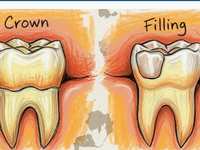
Preventive dental care in Spring, TX, is the most cost-effective way to keep your child’s teeth healthy. A fluoride treatment costs a fraction of what a filling costs, and a filling costs a fraction of what a crown or extraction costs.
Why Prevention Can Reduce Dental Anxiety in Kids
Children who only visit the dentist during emergencies are more likely to associate dental care with pain, stress, and fear. When appointments happen only after a toothache or injury, children often feel anxious before they even walk into the office.
Routine, child-friendly dental visits create a very different experience. With gentle pediatric care, children become familiar with the dental environment, understand what to expect during appointments, and gradually build confidence over time. Seeing the same team regularly also helps children feel more comfortable and secure during visits.
Families searching for the best pediatric dentist in Spring, TX, or a top pedodontist in Spring, TX, often look for a practice that focuses on comfort just as much as clinical care. Positive preventive visits help children feel safe, reduce fear around future treatment, and create healthier long-term attitudes toward dental care.
Daily Habits That Support Preventive Pediatric Dentistry at Home
Preventive care does not happen only in the dental chair. What children do at home every day shapes their oral health just as much as their twice-yearly visits.
Here are practical habits that make a real difference:
Brushing:
- Children under 3 should have their teeth brushed by a parent using a tiny smear of fluoride toothpaste.
- Children ages 3 to 6 can use a pea-sized amount of fluoride toothpaste with parent supervision.
- Most children are ready to brush more independently around age 7 or 8, but parents should still check the work.
Toothpaste guidance:
- Babies can start using a tiny smear of fluoride toothpaste as soon as the first tooth appears.
- Children can transition to adult fluoride toothpaste around age 6, but only if they can spit reliably.
- Most pediatric dentists do not recommend mouthwash for children under 6 because of the swallowing risk. For older children, an alcohol-free fluoride rinse can be beneficial if recommended by your dentist.
Flossing:
- Flossing should start as soon as two teeth touch. Parents should handle this until children develop the coordination to do it themselves, usually around age 8 to 10.
Bedtime routine:
- Brushing before bed is one of the most important habits a family can build. Saliva production drops during sleep, which means bacteria have more time to work on teeth overnight.
Water intake:
- Drinking water throughout the day rinses away food and bacteria. Fluoridated tap water provides an additional layer of cavity protection.
These spring dental habits for children are simple, but when done consistently, they dramatically reduce a child’s cavity risk between visits.
Why Small Daily Habits Matter More Than Parents Realize
Oral health is cumulative. Every time a child eats a snack and skips brushing, plaque builds. Every time brushing happens at bedtime, that buildup is disrupted.
Here is what happens when plaque is left to accumulate:
- Bacteria in plaque feed on sugars and produce acid.
- Acid exposure weakens enamel over time.
- Weakened enamel becomes more vulnerable to cavity bugs, the bacteria that cause decay.
- Repeated acid exposure leads to early cavities, gum inflammation, and eventually more serious problems.
The general care of teeth and the oral cavity is not complicated, but it does require consistency. A routine that takes three minutes at night can prevent months of treatment down the road.
Preventive dentistry in Spring, TX, works best when home habits and professional care work together.
Foods and Drinks That Can Help or Harm Growing Smiles
What children eat and drink between meals matters just as much as what they eat at mealtime.
Foods and drinks that increase cavity risk:
- Sticky snacks like fruit snacks, gummies, and dried fruit cling to enamel and feed bacteria for hours
- Frequent sipping of juice, sports drinks, or flavored milk keeps acid levels elevated throughout the day
- Acidic beverages like lemonade and soda erode enamel even without added sugar
- Crackers and starchy snacks break down into sugars quickly and get trapped between teeth
Foods and drinks that support healthy teeth:
- Water, especially fluoridated tap water, is the best drink for growing teeth
- Calcium-rich foods like cheese, yogurt, and leafy greens support strong enamel
- Crunchy vegetables like carrots and celery stimulate saliva and help clean teeth naturally
- Foods high in phosphorus, like eggs, fish, and lean meat, help protect and rebuild enamel
Parents do not need to eliminate treats. The goal is to reduce how often teeth are exposed to sugar and acid throughout the day, and to make water the default drink between meals.
This kind of practical guidance is part of what families receive during preventive dentistry visits in Spring, TX, at Growing Great Grins.
How Preventive Pediatric Dentistry Supports Long-Term Oral Development
Preventive care is about more than cavities. It also plays a direct role in how a child’s face, jaw, and airway develop over time.
Issues that routine monitoring helps identify and address:
- Mouth breathing: Chronic mouth breathing can affect jaw growth, facial development, and sleep quality.
- Thumb sucking and pacifier habits: Habits that continue past early childhood can affect bite alignment and jaw development.
- Crowding: Limited space in the mouth can cause permanent teeth to erupt in uneven positions.
- Bite changes: Crossbites, open bites, and deep bites are easier to correct when identified early.
- Narrow palate concerns: A narrow upper jaw can affect breathing, bite alignment, and tooth spacing.
- Tooth eruption patterns: Permanent teeth sometimes erupt behind baby teeth and may require early monitoring or guidance.
Why Monitoring Baby Teeth Is More Important Than Many Parents Think
Many parents assume baby teeth do not matter much because they fall out anyway. This is one of the most common misconceptions in pediatric dentistry.
Baby teeth serve several important functions:
- They hold space for permanent teeth. When a baby tooth is lost too early due to decay or injury, neighboring teeth can drift into that space, blocking the permanent tooth from coming in properly.
- They support speech development. Children rely on their front teeth to form certain sounds. Early tooth loss can affect how clearly a child speaks during key developmental years.
- They support nutrition. Children with painful or missing teeth often avoid certain foods, which can affect their diet and growth.
- They guide permanent tooth eruption. The roots of baby teeth help signal to permanent teeth where to grow.
When parents notice that baby teeth are not falling out but permanent teeth are coming in, or that a tooth is growing behind a baby tooth, this is worth a prompt evaluation. In many cases, the baby tooth just needs a little help. In other cases, early intervention prevents more significant problems.
A child’s loose tooth that is not falling out, or a wobbly tooth that seems infected or swollen, should always be checked by a pediatric dentist rather than left to resolve on its own.
How Pediatric Dentists Help Identify Orthodontic Concerns Early
Preventive pediatric dentistry also helps monitor the development of the teeth, jaws, and bite over time. Early orthodontic evaluation allows pediatric dentists to identify growth concerns while a child is still developing, which can make treatment simpler and more effective later.
During routine visits, pediatric dentists monitor:
- Crossbites: When upper and lower teeth do not align properly side to side
- Open bites: When the front teeth do not touch when the mouth is closed
- Crowding: When there is not enough space for permanent teeth to erupt properly
- Narrow arches: Which can affect both breathing and bite development
- Jaw imbalance: Differences in how the upper and lower jaws are growing
When these concerns are identified early, families often have more treatment options and better long-term outcomes. Children who may eventually need braces in The Woodlands, TX, or a referral to an orthodontist can benefit from early growth monitoring before problems become more severe. Regular visits with a pediatric dentist in The Woodlands, TX, also help families know when it may be the right time to see a pediatric orthodontist in Spring for further evaluation.
What Families Can Expect During a Preventive Dental Visit at Growing Great Grins
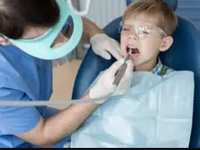
A preventive pediatric dental visit is designed to be straightforward, comfortable, and educational for both children and parents. Routine appointments focus on monitoring oral development, preventing future problems, and helping children feel confident during dental care.
Here is what a typical preventive visit usually includes:
- Exam: A pediatric dentist performs a full evaluation of the teeth, gums, jaw, and oral tissues while checking for cavities, bite concerns, and developmental changes.
- Professional Cleaning: A dental hygienist removes plaque and tartar buildup from areas that regular brushing and flossing may miss.
- Fluoride Treatment: A topical fluoride application helps strengthen enamel and reduce the risk of cavities.
- Growth Evaluation: The dental team monitors tooth eruption, spacing, jaw development, and bite alignment to track healthy growth over time.
- Home Care Discussion: Parents receive personalized guidance on brushing, flossing, nutrition, and daily oral hygiene habits that support long-term oral health.
Practices focused on pediatric dentistry in The Woodlands, TX often work with toddlers, school-age children, nervous patients, and children with special needs every day. Child-friendly dental visits that use a calm, gentle, and sensory-aware approach can help children feel more comfortable while building positive experiences with dental care early in life.
Families searching for a pediatric dentist in Spring, TX, or looking into growing grins pediatric dentistry services often prioritize comfort, consistency, and prevention-focused care. Practices led by experienced providers such as Leslie Blackburn, DDS, and Dr. Blackburn’s dental team typically focus on creating an environment where children feel safe, supported, and understood throughout each visit.
How Our Team Helps Make Preventive Visits Easier for Busy Parents
Growing Great Grins understands that families in Spring, TX, and The Woodlands are managing full schedules. The team works to make preventive care as convenient and consistent as possible.
What that looks like in practice:
- Efficient scheduling: Appointments are structured to be thorough without being drawn out. Families are not left waiting.
- Family-centered communication: Parents receive clear updates after every visit, along with a plan for what to watch for before the next appointment.
- Preventive planning: Rather than reacting to problems, the team maps out a preventive schedule that works around your child’s age, risk level, and development.
- Long-term relationships: Many families at Growing Great Grins have been coming since their child’s first tooth. That continuity allows the team to track changes over time and catch things that a new provider might miss.
Families driving from Conroe, The Woodlands, or Spring, TX will find a practice that treats every child as an individual, not a number.
FAQs About Preventive Pediatric Dentistry in The Woodlands
How often should my child visit a pediatric dentist?
Most children benefit from preventive dental visits every six months. Children with higher cavity risk or orthodontic concerns may need more frequent monitoring.
At what age should preventive dental visits start?
Pediatric dental visits should begin by age one or within six months of the first tooth appearing. Early visits help monitor development and build comfort with dental care.
Are fluoride treatments safe for children?
Yes. Professional fluoride treatments are safe when applied in controlled amounts during routine dental visits. Fluoride strengthens enamel and helps reduce cavity risk in children.
What if my child is nervous about dental visits?
Routine, child-friendly dental visits help children build familiarity and confidence over time. Gentle pediatric care and positive experiences often reduce dental anxiety gradually.
Why are baby teeth important if they fall out anyway?
Baby teeth support speech development, chewing, jaw growth, and spacing for permanent teeth. Early tooth loss can increase the risk of crowding and alignment problems later.
Do preventive visits help reduce future orthodontic problems?
Yes. Preventive visits help pediatric dentists monitor jaw growth, bite changes, and tooth eruption patterns early. Early detection gives families more treatment options during active development.
Schedule Preventive Pediatric Dental Care in Spring, TX
Families in Spring, TX, The Woodlands, and Conroe deserve preventive dental care that supports long-term oral health while fitting into busy family schedules. Routine visits with a pediatric dentist in The Woodlands help children stay ahead of cavities, bite concerns, enamel problems, and growth changes before they turn into painful or expensive emergencies.
At Growing Great Grins, the focus is on making preventive pediatric dentistry in The Woodlands, TX, comfortable, practical, and consistent for growing children. From toddlers to school-age children and teens, the team works closely with families to support healthy oral development through every stage of growth.
Parents searching for a pediatric dentist in Spring, TX, a children’s dentist in The Woodlands, or the best pediatric dentist in The Woodlands often want care that feels proactive rather than reactive. Scheduling preventive dentistry in Spring, TX, before problems develop can help reduce dental anxiety, avoid emergency visits, and create healthier long-term habits for your child.
Contact Growing Great Grins today to schedule your child’s preventive dental visit and build a strong foundation for lifelong oral health.