- Categories :
- More
The Advantages of Biometric Access Control for Busy Facilities
By:
 The Flying Locksmiths
| Published 05/26/2026
The Flying Locksmiths
| Published 05/26/2026


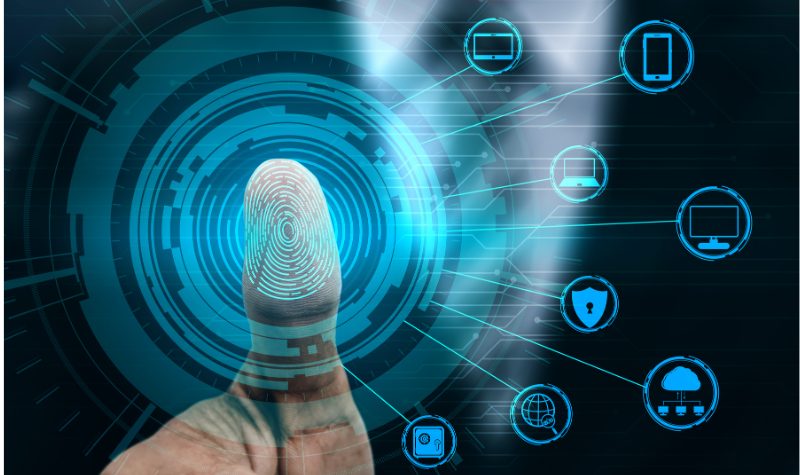
Busy commercial properties that feature high levels of traffic like banks, retail stores, grocery stores, and healthcare facilities require advanced access control and commercial door security to help streamline operations. Touchless access solutions like facial recognition and fingerprint scanning help turn congested entry points into pathways of smooth, continuous movement, enabling patrons to navigate throughout the facility with ease.
- Streamlined Entry and Exit: Biometric systems are the perfect solution for businesses that welcome high levels of visitors daily, as they create quick and convenient entry and exits. Using a fingerprint or palm scanner for access not only ensures authorized personnel gains access to sensitive areas, but it allows users to exit or enter commercial doors without fumbling for physical credentials like keys. With this simplified process, access is always with them, as they can use their physical traits to enter specific areas in one quick action.
- Ultimate Hands-Free Experience: Biometric solutions like facial recognition or iris scans are the ideal choice for businesses that are seeking quick access, as with a simple scan, this advanced technology allows individuals to walk through entry points without breaking stride. Commercial doors unlock automatically when users are identified, which is convenient for employees or visitors that are carrying equipment, pushing carts, or moving throughout different parts of the facility. Improving daily operations, biometric access control systems offer the ultimate convenience for busy facilities.
How Biometric Access Systems Cut Hidden Costs
Beyond the convenience of entry, biometric access control systems can help cut costs for businesses, especially with former employees. For onboarding, new physical keys or keycards must be issued to new employees, while offboarding requires property managers to deactivate old credentials and recover cards. This process can be a hassle for businesses and can be a drain on resources.
- Long-Term Savings: While the initial cost for implementing biometric access systems can be significant, the long-term effects can’t be overlooked as it pays for itself. Completely eliminating the need to constantly purchase or replace cards, these advanced systems use stored employee physical traits to regulate access which can be updated at any time. Lost or stolen credentials are no longer an issue as these access systems authorize individuals in a way that can’t be replicated.
- Simple Access Management: Instead of tracking down old cards, keys, or door key fobs, biometric security systems allow owners to control access digitally. Helping simplify access management, businesses can remotely revoke access to individuals instantly, eliminating the possibility of lingering access. This centralized form of access control enables owners to adjust permissions remotely, tailoring access to their operational needs.
Access management has never been easier with biometric systems, as they help simplify common administrative tasks for commercial businesses that can be eliminated instantly:
- Issuing new keycards, physical keys, and door key fobs to new employees
- Manually tracking who has access
- Ordering and paying for replacement credentials that are lost or stolen
Common Concerns: Is My Biometric Data Safe?
With new technology, data privacy is critical, which is why many people will question whether their biometric data is safe. These modern access control systems never store pictures of fingerprints or faces, instead they analyze your unique features and convert them into a string of data, known as a biometric template. This template then undergoes an encryption process, which makes it unreadable to anyone that wants to access it. This process ensures that your physical traits can’t be replicated, verifying that your biometric data is safe and secured.
This means that when you scan your face, fingerprint, or palm, your biometric security system only checks that the encrypted template that’s on file matches what’s scanned. This biometric authentication ensures your biometric data is protected, eliminating the chance that your personal identity is compromised.
What Are the Types of Biometric Systems?
When assessing what biometric authentication method works best for your business and its commercial doors, it’s important to identify the different types of biometric systems that are available. Fingerprint and facial recognition technology are the most popular solutions, but serve different purposes based on your facility.
- Fingerprint Scanners: Ideal for commercial properties that feature more foot traffic, fingerprint scanners are reliable access control solutions for businesses that need to secure their offices, server rooms, or other sensitive areas. They’re especially useful for facilities like hospitals and government buildings that store vital information, as they offer advanced protection. With easy physical contact, approved individuals gain access with fast identification while preventing security breaches at key entry points.
- Facial Recognition: These biometric security systems are the perfect choice for businesses looking to improve their operational efficiency. With a simple facial scan, approved users can walk through different parts of the building with easy touchless access. Providing hands-free entry, heavy traffic flows smoothly, preventing bottlenecks. Facial features are also extremely difficult to replicate, making this one of the most secure biometric access control solutions.
- Iris Scanners: These systems, much like facial recognition systems, make it difficult to replicate credentials. Using unique iris patterns, these high security systems provide quick and convenient touchless access, ensuring all sensitive areas are secure. They are commonly used for facilities that require heavy restrictions, keeping high traffic areas secure and preventing unapproved individuals from gaining access.
- Multi-Factor Authentication Access Control: For facilities that house large quantities of sensitive information, multi-factor authentication access control systems combine two forms of access, identifying individuals using credentials like a face scan and unique PIN code. This extra step of authentication ensures that sensitive areas only provide access to approved individuals, only providing entry if multiple authentication requirements are met. This is beneficial for high-security government buildings that want to ensure data doesn’t get into the wrong hands.
Comparing Biometric and Keycard (RFID) Systems
Before investing in new commercial door hardware, it’s important to understand the differences between Radio-Frequency Identification (RFID) systems and biometric access control systems. RFID door locks use unique credentials—such as keycards or key fobs programmed with RFID technology—to regulate and grant access. In contrast, biometric systems rely on physical traits, such as fingerprints or facial recognition, to authenticate users. Comparing the benefits of RFID and biometric access control solutions can help you determine the best fit for your business’s security needs.
Keycard (RFID Systems)
- Lower initial door hardware and installation costs
- Ongoing costs for card replacements and onboarding distribution
- Vulnerable to being lost, stolen, or shared
Biometric Systems
- Higher initial installation costs
- Highest level of access control using physical traits to grant entry
- No ongoing replacement or distribution costs, simplified audit trails
Both are strong options for businesses, but the decision comes down to balancing cost against risk. Keycard entry systems have their benefits, but hidden costs of replacing cards and the liabilities that are associated with them create some risk for your business.
Improve Door Security with Biometric Access Control Systems
Our trained door security professionals at FlyLock will help take your access control to the next level with our trusted biometric security systems. We’ll help you transform your setup, creating secure, safe and convenient entry throughout your facility. We understand busy facilities require high levels of security, but also need to maintain operational efficiency, which is where biometric technology steps in.
Count on us for reliable biometric access control installation and maintenance services, as we’ll design a system built around your operations. We’re not only helping improve access management, but we’re also creating a more efficient, secure, and welcoming environment. Contact us today at 800-649-5397!
Frequently Asked Questions
What is a biometric access control?
Biometric access control is a type of security system that uses unique characteristics or traits of individuals to grant access. Instead of using access methods like keycards or physical keys, biometric security systems authenticate users using fingerprints, facial recognition, iris patterns, and voice recognition. This ensures credentials are never replicated and provides a more convenient form of access.
What are the disadvantages of biometrics?
While biometric authentication offers many benefits, like most systems they also have some disadvantages. Privacy concerns are often raised with biometric data, as there is the potential for misuse. They also include high initial installation costs compared to alternative solutions, which could be a concern for businesses with low budgets. System errors can also lead to false rejections or acceptances, as factors like technical malfunctions and weather conditions can affect the responsiveness of external systems.
What are the 5 main types of biometric authentication?
The five main types of biometric authentication include fingerprint recognition, facial recognition, iris recognition, voice recognition, and palm recognition. Fingerprint authentication scans unique fingerprint patterns, where facial recognition systems use facial features to grant access. Iris scans use the patterns of the colored part of the eye (iris) to regulate entry, while palm recognition systems use the lines and shapes of a person’s palm to identify individuals. Voice recognition systems are unique, as they use voice commands instead of physical traits to allow access.