- Categories :
- More
Teaching Your Dog the “Touch” Cue: A Simple Skill With Big Benefits
By:
 Revival Dog Training
| Published 06/17/2026
Revival Dog Training
| Published 06/17/2026


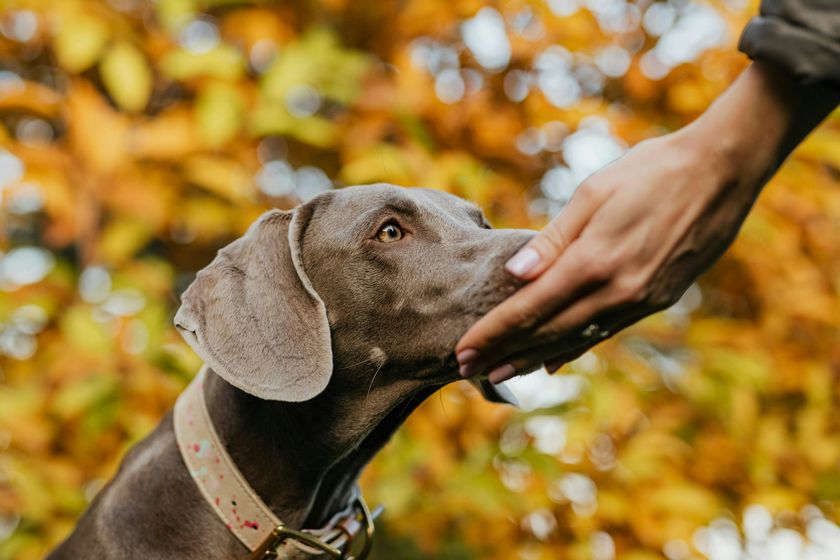
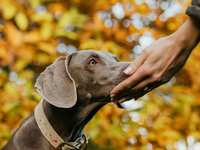
Teaching your dog to target your hand (or later, an object) with their nose helps them tune in to you even around distractions. It also lays the groundwork for important behaviors like Come, loose‑leash walking, and more advanced training.
Whether your dog is a puppy, a newly adopted companion, or a shy dog who needs a confidence lift, Touch is a fantastic foundational skill.
Below, you’ll find a clear, step‑by‑step guide broken into three progressive levels. Move at your dog’s pace, keep sessions short and upbeat, and enjoy watching your dog’s confidence grow.
Getting Started: What You’ll Need
- A treat pouch or pocket with small, tasty treats
- A comfortable space with minimal distractions
- Your dog positioned in front of you
- Your right hand ready with two fingers extended as the target
Important: Keep treats hidden until after you say “Yes.” This helps your dog focus on the behavior—not the food.
Level 1: Capture the Touch
At this stage, your goal is simply to help your dog understand that touching your fingers with their nose earns a reward.
How to Begin
- Sit in a chair with treats tucked away in your pouch or pocket.
- Extend your right arm and hold two fingers a few inches from your dog’s nose.
- The moment your dog even looks toward your fingers, say “Yes” and immediately deliver a treat.
- As your dog becomes more confident, wait for an actual nose‑to‑finger touch before marking and rewarding.
- If your dog hesitates or seems unsure, move your fingers closer to make the behavior easier.
Once your dog is touching your fingers 10 times per minute, you’re ready to increase the challenge.
Level 2: Increase the Distance
Now that your dog understands the behavior, you can begin to stretch their skills—literally.
How to Progress
- Start with your dog in front of you.
- Extend your two fingers slightly farther away than before.
- When your dog reaches forward and touches your fingers, say “Yes” and reward.
- Gradually increase the distance a little at a time.
- If your dog misses or hesitates, simply move your hand closer again.
Your dog should confidently move toward your hand from a short distance and touch your fingers without hesitation.
Level 3: Add the Verbal Cue
Once your dog can reliably touch your fingers from a distance, it’s time to introduce the word Touch.
How to Add the Cue
- Stand or sit a few feet away from your dog with treats hidden but ready.
- Say “Touch”, pause briefly, then extend your two fingers.
- When your dog walks over and touches your fingers, say “Yes” and reward.
- As your dog improves, ask for Touch when they’re looking away or slightly distracted.
- Continue marking and rewarding immediately after each successful touch.
You know you’re on the right track if your dog starts to move toward you as soon as they hear the cue—even before you extend your hand.
Tips for Success
- Keep training sessions short and upbeat.
- If your dog isn’t food‑motivated, try using a toy, praise, or gentle petting as a reward.
- Always keep treats hidden until after you say “Yes.”
- Celebrate small wins—confidence grows through repetition and success.
Teaching Touch is more than just a fun trick—it’s a powerful communication tool that strengthens your bond and helps your dog feel more confident in the world. With patience, consistency, and plenty of positive reinforcement, your dog will master this skill in no time.