- Categories :
- More
Cyclospora Outbreak: What Seniors and Families Need to Know
By:
 Amada Senior Care North Houston
| Published 07/17/2026
Amada Senior Care North Houston
| Published 07/17/2026



Recent reports of current Cyclospora outbreaks across the United States have raised concerns about food safety, particularly during the summer months when fresh produce is abundant. While anyone can become ill from Cyclospora, older adults and seniors are often more vulnerable to complications because aging can weaken the immune system and make it more difficult to recover from infections.
Knowing what Cyclospora is, how it spreads, and the steps you can take to prevent infection can help you and your loved ones stay healthy.
(Note to Readers: This article was written in response to recent Cyclospora outbreaks reported in several states. Because food recalls and public health guidance can change, check your local health department or the CDC for the latest information on recalled products and outbreak updates.
What Is Cyclospora?
Cyclospora is a microscopic parasite that causes an intestinal illness known as cyclosporiasis. People become infected by eating food or drinking water contaminated with the parasite. Fresh fruits and vegetables (especially those eaten raw) have been linked to outbreaks in recent years.
Unlike many foodborne illnesses, Cyclospora cannot spread directly from one person to another because the parasite must mature in the environment before it becomes infectious. That means infections are typically traced back to contaminated produce or water rather than casual contact with an infected person.
What Are the Cyclospora Symptoms?
Cyclospora symptoms usually begin about one week after exposure, although they can appear anywhere from two days to two weeks later. Common symptoms include:
- Frequent, watery diarrhea
- Loss of appetite
- Stomach cramps or bloating
- Nausea
- Fatigue
- Low-grade fever
- Weight loss
- Muscle aches
Without treatment, symptoms can come and go for several weeks or even longer. Some people experience periods where they feel better, only to have diarrhea return days later.
Why Are Seniors at Greater Risk for Severe Illness from Cyclospora?
As we age, our bodies often become less resilient when fighting infections. While Cyclospora is rarely life-threatening, it can be much more serious for older adults and seniors.
Seniors may be at greater risk because:
- Diarrhea can quickly lead to dehydration.
- Dehydration may contribute to dizziness, weakness, confusion, and falls.
- Existing health conditions, such as diabetes, kidney disease, or heart disease, can become more difficult to manage.
- Some medications may increase the risk of dehydration or electrolyte imbalances.
- Recovery may take longer than it would for younger adults.
Older adults with weakened immune systems, including those receiving cancer treatment, taking immunosuppressive medications, or living with certain chronic illnesses should be especially cautious.
How Is Cyclospora Treated?
Cyclospora is typically treated with a prescription antibiotic. If symptoms persist for more than a day or two, especially in an older adult, it’s important to contact a healthcare provider promptly rather than assuming it’s a typical stomach bug.
In the meantime, staying hydrated is essential. Drinking water, electrolyte beverages, or clear broths can help replace fluids lost through diarrhea. Seek immediate medical attention if a senior experiences:
- Severe dehydration
- Confusion or unusual drowsiness
- Inability to keep fluids down
- Bloody diarrhea
- High fever
- Signs of fainting or significant weakness
How Can Families Reduce the Risk of Cyclospora Infection?
While no prevention method is perfect, several simple habits can significantly lower your risk of foodborne illness.
Wash Produce Thoroughly
Rinse fresh fruits and vegetables under running water before eating, cutting, or cooking them, even if you plan to peel them. Avoid washing produce with soap or bleach.
Practice Good Hand Hygiene
Wash your hands with soap and water:
- Before preparing meals
- Before eating
- After using the restroom
- After gardening
- After handling raw foods
Keep Your Kitchen Clean
Regularly clean cutting boards, countertops, knives, and other food preparation surfaces to reduce contamination.
Stay Informed About Food Recalls
Pay attention to food recalls involving fresh produce. If a recalled item is in your refrigerator, throw it away immediately.
Consider Extra Precautions
If you have a weakened immune system, ask your healthcare provider whether additional food safety precautions are appropriate for your situation.
How Families Can Help Protect Aging Loved Ones
Family members often play an important role in helping older adults stay healthy.
Here are a few practical ways to help:
Check the refrigerator regularly. Remove spoiled produce and discard any foods involved in recalls.
Help with grocery shopping. Purchase fresh produce from reputable stores and inspect fruits and vegetables for damage.
Prepare meals safely. Wash produce carefully and keep raw foods separate from ready-to-eat items.
Encourage hydration. Older adults may not always feel thirsty, so gentle reminders to drink fluids throughout the day can help prevent dehydration.
Watch for changes. If your loved one develops diarrhea, appears unusually tired, becomes confused, or seems weaker than usual, don’t wait to seek medical advice.
The Role of In-Home Care to Help Seniors Avoid Risks of Food-Borne Diseases
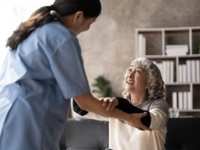
For seniors living independently, trained caregivers can provide valuable every day, non-medical support during illness and help reduce the risk of infection.
Professional caregivers can:
- Prepare meals using safe food-handling practices.
- Encourage proper hydration throughout the day.
- Monitor for symptoms that may require medical attention.
- Assist with grocery shopping and removing recalled food products.
- Help reduce fall risks if weakness or dizziness develops during recovery.
Having an extra set of caring eyes in the home can provide peace of mind for both seniors and their families.
Seniors Staying Healthy: Start with Awareness of Food Safety
Cyclospora infections are uncommon, but outbreaks remind us that food safety matters at every age. For older adults, preventing dehydration and seeking treatment early can make a significant difference in recovery.
By practicing good food safety, staying informed about recalls, and paying close attention to symptoms, seniors and their families can reduce their risk and continue enjoying healthy meals with confidence. Seniors living independently far from family may want to consider having a little extra care at home to help protect their health. If you’d like to learn more about Amada Senior Care can help support senior independent living, CLICK HERE to find an Amada office near you.