- Categories :
- More
What Does Your Mouth Have to Do With Your Heart? | The Woodlands Dentist
By:
 Smiles by Dr. A - Tasnim Arsiwala, DMD
| Published 08/10/2026
Smiles by Dr. A - Tasnim Arsiwala, DMD
| Published 08/10/2026


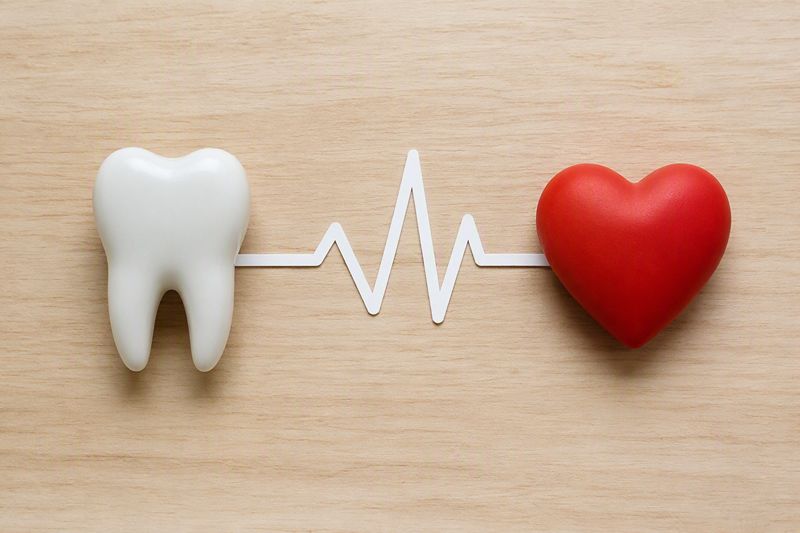
What Does Your Mouth Have to Do With Your Heart? Understanding the Connection Between Gum Health and Heart Health
At first glance, your teeth and your heart may seem like two completely separate parts of your body.
Your teeth are in your mouth. Your heart is in your chest. So what could they possibly have in common?
More than you might think.
As we learn more about the connection between oral health and overall health, researchers continue to study the relationship between gum disease and cardiovascular health. While the relationship is complex, one thing is clear: your mouth should not be treated as separate from the rest of your body.
How Are Your Mouth and Heart Connected?
Your mouth is home to hundreds of different types of bacteria. Many of these microorganisms are a normal part of a healthy mouth. However, when harmful bacteria accumulate and contribute to plaque buildup, gum inflammation can develop.
When gum inflammation progresses, it can develop into periodontal disease, commonly known as gum disease. Periodontal disease affects the tissues and bone that support your teeth and is one of the most common oral health conditions among adults.
But gum disease is not simply a problem that affects your teeth and gums.
Your mouth is connected to the rest of your body through your bloodstream and immune system. This has led researchers to investigate whether chronic oral inflammation may play a role in other health conditions, including cardiovascular disease.
Does Gum Disease Cause Heart Disease?
This is where it is important to separate what we know from what we are still learning.
Researchers have found an association between periodontal disease and cardiovascular disease, but an association does not automatically mean that one condition directly causes the other.
In other words, we cannot simply say that gum disease causes heart disease.
The relationship between periodontal disease and cardiovascular health is complicated. People with gum disease and cardiovascular disease may also share common risk factors, including smoking, diabetes, diet, age and other lifestyle or health factors.
Researchers continue to investigate the biological pathways that may connect oral inflammation with cardiovascular health.
So while we should not overstate the science, we also should not ignore the connection.
Why Does Oral Inflammation Matter?
Inflammation is a natural response that helps your body fight infection and injury. However, chronic inflammation can become a concern when it continues over time.
Gum disease is a chronic inflammatory condition. When bacteria and plaque remain around the teeth and gums, the body's immune system responds to that ongoing irritation.
This is one reason maintaining healthy gums is about more than keeping your smile looking good.
Your gums are living tissue, and chronic inflammation in your mouth deserves attention.
Think about it this way: if you noticed ongoing inflammation somewhere else in your body, you probably would not simply ignore it.
Your gums deserve that same attention.
Signs You May Have Gum Disease
One of the challenges with periodontal disease is that it does not always cause significant pain, especially in its early stages.
You may have gum inflammation without realizing there is a problem.
Some common signs of gum disease include:
- Bleeding gums when brushing or flossing
- Red, swollen or tender gums
- Persistent bad breath
- Gums that are pulling away from the teeth
- Loose or shifting teeth
- Changes in the way your teeth fit together
- Changes in the appearance of your gums
- Persistent tenderness around the teeth or gums
If you notice any of these symptoms, it is worth discussing them with your dentist rather than assuming they are normal.
How Can You Protect Your Gum Health?
The good news is that there are simple steps you can take to protect your oral health and reduce your risk of developing gum disease.
- Brush twice a day: Use fluoride toothpaste and a soft-bristled toothbrush.
- Clean between your teeth: Floss or use another appropriate interdental cleaner every day.
- Schedule regular dental examinations: Professional dental cleanings and comprehensive exams can help identify gum problems early.
- Pay attention to bleeding: Persistent bleeding when brushing or flossing should not automatically be considered normal.
- Avoid tobacco: Tobacco use is a significant risk factor for gum disease and can negatively affect oral health.
- Maintain a healthy lifestyle: Nutrition, exercise and management of overall health conditions all contribute to your general well-being.
- Tell your dentist about your health history: Medical conditions and medications can sometimes affect your oral health.
Why Regular Dental Visits Matter
A dental appointment is about much more than checking for cavities.
During a comprehensive dental examination, your dentist evaluates your teeth, gums, supporting structures and oral tissues. Regular visits also allow your dental team to monitor changes over time and identify potential problems before they become more serious.
Your dentist may also recommend that you speak with your physician if something in your medical or oral health history requires additional evaluation.
This is one of the reasons we believe preventive dentistry is so important.
The goal is not simply to treat a dental problem once it becomes painful. The goal is to protect your oral health, identify potential concerns early and help you understand how your dental health fits into your overall health.
Your Dental Health Is Part of Your Overall Health
When you think about cardiovascular health, you may immediately think about exercise, nutrition, cholesterol and blood pressure.
But your oral health deserves a place in that conversation, too.
Maintaining healthy gums does not guarantee that you will prevent cardiovascular disease. However, taking care of your mouth is an important part of maintaining good health and should not be overlooked.
At Smiles by Dr. A in The Woodlands, TX, we believe our role as dental professionals goes beyond treating cavities and repairing teeth. We want our patients to understand the connection between oral health and overall health and understand why preventive dental care matters.
Your dental appointment is an opportunity to care for your teeth and gums, but it can also be an important part of taking a closer look at your health as a whole.
Take Care of Your Smile—and the Person Behind It
Your mouth may be one of the first places where signs of inflammation or other health changes become noticeable.
So don't ignore bleeding gums. Don't dismiss persistent swelling. And don't assume that a lack of pain means everything is healthy.
Healthy gums are an important part of a healthy body.
If you live in The Woodlands, TX, or the surrounding Montgomery County area and it has been a while since your last dental examination, consider making your oral health a priority.
At Smiles by Dr. A, our goal is to provide comprehensive, preventive and personalized dental care while helping our patients understand the bigger picture of their health.
Your mouth is part of your body. Your dental health should be part of your health conversation.
This is part of our Mouth–Body Connection series, where we explore the surprising ways oral health can be connected to overall health. Stay tuned for more articles about the relationship between dental health, diabetes, sleep apnea, nutrition and other aspects of your overall well-being.
Smiles by Dr. A
Comprehensive, Cosmetic & Family Dentistry
The Woodlands, TX