- Categories :
- More
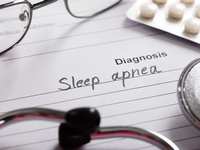
What Is Sleep Apnea? A Simple Guide to the Signs, Symptoms and Health Risks
By:
 Smiles by Dr. A - Tasnim Arsiwala, DMD
| Published 09/15/2026
Smiles by Dr. A - Tasnim Arsiwala, DMD
| Published 09/15/2026


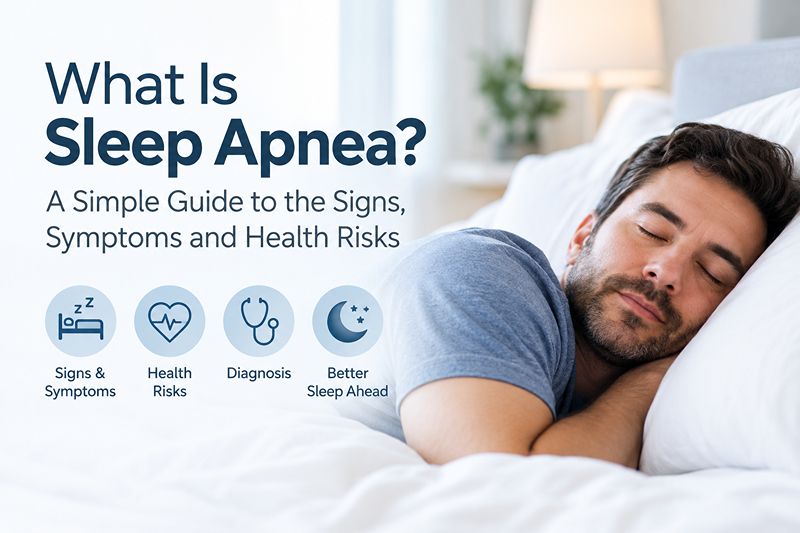
Sleep is supposed to be the time when your body rests, repairs and recharges. But for millions of people, breathing is repeatedly interrupted while they sleep, sometimes without them realizing it.
Sleep apnea is a sleep-related breathing disorder in which breathing repeatedly stops and starts during sleep. The most common type is obstructive sleep apnea (OSA), which occurs when the upper airway becomes blocked or narrowed during sleep.
One of the reasons sleep apnea deserves more attention is that you may not know you have it. A person may simply think they are a loud snorer, a light sleeper, or someone who is always tired. Often, it is a spouse, partner or family member who notices the nighttime symptoms first.
As a dentist, I believe it is important for patients to understand that oral health and overall health are closely connected. Your mouth, airway, breathing and sleep all play a role in your well-being. Learning to recognize the warning signs of sleep apnea is an important first step.
What Is Sleep Apnea?
Sleep apnea occurs when breathing is repeatedly interrupted during sleep.
During an episode of sleep apnea, airflow may become reduced or completely blocked, or the brain may temporarily fail to send the signals needed for breathing. These interruptions can happen repeatedly throughout the night and may interfere with normal sleep and oxygen levels.
There are two main types of sleep apnea:
Obstructive sleep apnea (OSA) is the most common type. It occurs when the upper airway becomes blocked or narrowed during sleep.
Central sleep apnea occurs when the brain does not send the appropriate signals needed to control breathing.
When most people talk about sleep apnea, they are referring to obstructive sleep apnea, or OSA.
What Is Obstructive Sleep Apnea?
Obstructive sleep apnea happens when the muscles and tissues around the upper airway relax during sleep and the airway becomes partially or completely blocked.
When that happens, airflow can decrease or stop. The body then responds to the interruption, and normal breathing resumes. These repeated events can fragment sleep and may cause changes in oxygen levels.
Importantly, sleep apnea is not simply a problem of “sleeping badly.” It is a medical condition that deserves proper evaluation and, when diagnosed, appropriate treatment.
What Happens When You Have Sleep Apnea?
Sleep apnea can happen while you are completely unaware of it.
You may continue to sleep while your breathing repeatedly becomes restricted or stops. Some people awaken briefly, gasp for air, or change position, but they may not remember those events in the morning.
Over time, repeated interruptions can prevent you from getting the restorative sleep your body needs.
This is one reason someone can sleep for seven or eight hours and still wake up feeling exhausted.
According to the National Heart, Lung, and Blood Institute, untreated sleep apnea can contribute to problems with concentration, decision-making, memory and behavior, and is associated with increased risk of serious health problems including stroke and heart attack.
What Are the Signs and Symptoms of Sleep Apnea?
The signs of sleep apnea are not always obvious, and they can look different from person to person.
Nighttime signs
Some of the most common nighttime signs include:
-
Loud or frequent snoring
-
Breathing that starts and stops
-
Gasping for air during sleep
-
Choking or snorting sounds
-
Restless sleep
-
Frequent waking during the night
One important point is that you may not know these symptoms are happening. A partner or family member may be the first person to notice that you stop breathing, gasp or snore loudly during sleep.
Daytime signs
Sleep apnea can also show up during the day.
Possible symptoms include:
-
Excessive daytime sleepiness
-
Persistent tiredness or fatigue
-
Difficulty concentrating
-
Trouble focusing
-
Morning headaches
-
Dry mouth
-
Insomnia or disrupted sleep
-
Waking frequently to urinate during the night
-
Problems with alertness or reaction time
NHLBI notes that daytime sleepiness and tiredness can interfere with learning, focusing and reacting, while headaches, fatigue and insomnia may also occur.
The important takeaway is that sleep apnea does not always look like someone falling asleep at their desk. Sometimes the signs are simply feeling exhausted, unfocused or “not quite like yourself.”
Can You Have Sleep Apnea Without Knowing It?
Yes. You can have sleep apnea without realizing it.
In fact, many people do not personally observe their nighttime breathing problems. They may only become aware of them when a spouse, partner or family member points out loud snoring, gasping or pauses in breathing.
Some people also focus so much on their daytime fatigue that they do not connect it to a sleep-related breathing disorder.
If you regularly wake up tired despite getting what seems like enough sleep, or if someone has told you that you snore loudly or stop breathing during sleep, it is worth discussing those symptoms with a healthcare provider.
Is Snoring Always a Sign of Sleep Apnea?
No. Snoring does not automatically mean you have sleep apnea.
Many people snore without having OSA. However, loud or frequent snoring can be one of the warning signs, particularly when it occurs along with gasping, choking or witnessed pauses in breathing.
Think of snoring as a reason to pay attention rather than a diagnosis.
If your snoring is persistent, disruptive or accompanied by other symptoms of sleep apnea, talk with a healthcare provider about whether further evaluation is appropriate.
What Happens If Sleep Apnea Goes Untreated?
Untreated sleep apnea is more than an inconvenience at bedtime.
When breathing repeatedly stops or becomes restricted during sleep, the quality of your sleep can be affected, and your body has to repeatedly respond to those interruptions.
Over time, untreated sleep apnea has been associated with a range of health concerns. NHLBI notes that untreated sleep apnea can affect concentration, memory, decision-making and behavior and can increase the risk of serious problems such as stroke and heart attack.
That does not mean that every person with sleep apnea will develop these conditions, or that sleep apnea is the only possible cause of them. It does mean that persistent symptoms should not simply be dismissed as “bad sleep.”
Sleep is part of your overall health.
If your breathing is repeatedly disrupted every night, it is worth finding out why.
How Is Sleep Apnea Diagnosed?
Sleep apnea is diagnosed through a medical evaluation and, when appropriate, sleep testing.
A healthcare provider may ask about your symptoms, risk factors, family history and sleep patterns. A sleep study can help determine whether sleep apnea is present, what type it is and how severe it is.
Depending on the situation, testing may involve an overnight sleep study or a home sleep apnea test (HSAT).
The important distinction is this:
Symptoms can suggest sleep apnea, but symptoms alone do not establish a diagnosis.
That is why proper evaluation matters.
When Should You Talk to a Healthcare Provider?
Consider talking with a healthcare provider if:
-
You snore loudly or frequently.
-
Someone has noticed that you stop breathing during sleep.
-
You wake up gasping or choking.
-
You are excessively tired during the day.
-
You regularly wake with headaches or a dry mouth.
-
You have difficulty concentrating despite getting adequate time in bed.
-
You consistently feel that your sleep is not restorative.
You do not need to wait until your symptoms become severe before asking questions.
Sometimes the first step is simply saying, “I don't think I am sleeping as well as I should.”
Can Your Dentist Help Identify Sleep Apnea?
Yes. Dentists can play an important role in recognizing potential signs of obstructive sleep apnea and referring patients for appropriate medical evaluation.
Because dentists see patients regularly, they may notice risk factors or symptoms that deserve further discussion. The American Academy of Dental Sleep Medicine recommends screening patients for potential OSA and working collaboratively with physicians.
It is important to understand the roles involved.
A dentist may identify signs that suggest a patient should be evaluated, but OSA is a medical condition that requires medical diagnosis. A physician or qualified sleep provider is responsible for the medical diagnosis and evaluation.
Once OSA has been diagnosed, treatment options can include therapies such as CPAP, oral appliance therapy and, in selected cases, surgery. Oral appliance therapy is one treatment option that may be considered for appropriate patients as part of coordinated care between the medical and dental team.
At Smiles by Dr. A, my goal is not simply to look at teeth. It is to look at the bigger picture of a patient's oral and overall health and help patients understand when something may deserve further evaluation.
Frequently Asked Questions About Sleep Apnea
What is sleep apnea in simple terms?
Sleep apnea is a condition in which breathing repeatedly stops or becomes restricted during sleep. The most common type is obstructive sleep apnea, which occurs when the upper airway becomes blocked or narrowed.
What is the most common type of sleep apnea?
The most common type is obstructive sleep apnea (OSA). It occurs when the upper airway becomes blocked or narrowed during sleep.
Can sleep apnea cause snoring?
Yes. Loud or frequent snoring is one of the common symptoms associated with sleep apnea. However, not everyone who snores has sleep apnea.
Can you have sleep apnea without snoring?
Yes. Snoring is common, but symptoms vary, and the absence of snoring does not by itself rule out sleep apnea.
What are the biggest warning signs of sleep apnea?
Common warning signs include loud snoring, pauses in breathing, gasping during sleep, excessive daytime sleepiness, fatigue, morning headaches, dry mouth and difficulty concentrating.
Can sleep apnea make you tired during the day?
Yes. Daytime sleepiness and tiredness are common symptoms of sleep apnea and may affect concentration, learning and reaction time.
How do you know if you have sleep apnea?
Symptoms can raise suspicion, but sleep apnea is diagnosed through medical evaluation and, when indicated, sleep testing.
What happens if sleep apnea is not treated?
Untreated sleep apnea can interfere with quality sleep and is associated with serious health risks, including stroke and heart attack, as well as problems involving concentration, memory and decision-making.
Can a dentist diagnose sleep apnea?
Dentists can screen for signs and risk factors and refer patients for appropriate medical evaluation. Medical providers are responsible for diagnosing obstructive sleep apnea.
Is there treatment for sleep apnea?
Yes. Treatment depends on the individual and may include CPAP, oral appliance therapy, lifestyle measures and, in some cases, surgery. A healthcare provider can help determine which treatment is appropriate.
A Final Thought From Dr. Arsiwala
One of the biggest challenges with sleep apnea is that it can be happening while you are asleep and completely unaware of it.
If you snore, wake up tired, struggle with daytime sleepiness, or have been told that you stop breathing during sleep, do not simply assume that it is normal.
You do not have to diagnose yourself. Start by asking questions.
Better sleep begins with understanding what may be happening while you sleep.
This article is for general educational purposes and is not a substitute for medical diagnosis or treatment. If you are concerned about sleep apnea or another sleep-related breathing disorder, speak with a qualified healthcare provider.