- Categories :
- More
Permit Requirements for Panel Upgrades in Texas
By:
 Logo Electrical Services
| Published 10/12/2026
Logo Electrical Services
| Published 10/12/2026


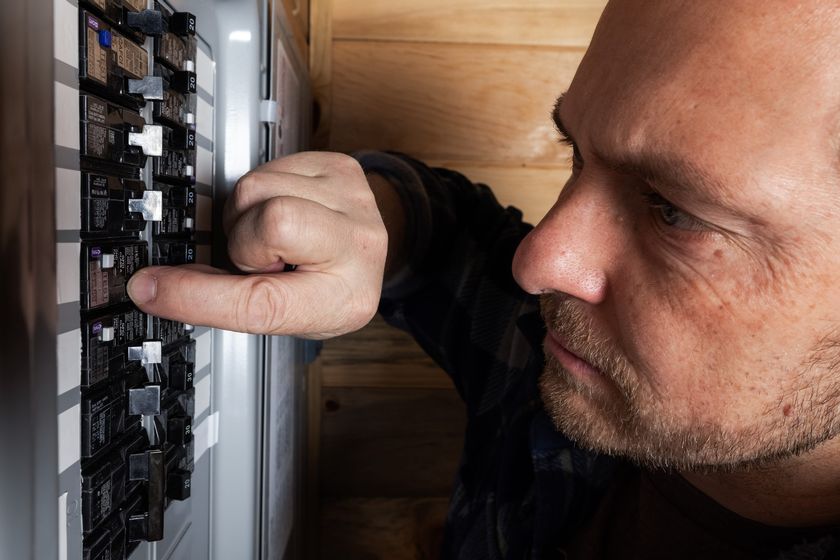
A panel upgrade is not just a larger metal box with more breaker spaces. It can involve the service entrance conductors, meter equipment, grounding system, utility connection, and the safety of every circuit in your home. That is why permit requirements for panel upgrades are a common concern for Magnolia homeowners planning an EV charger, generator, remodel, or replacement for an aging electrical panel.
In most cases, a panel upgrade requires a permit and inspection from the authority having jurisdiction, often called the AHJ. The exact process depends on where the property is located, whether it is inside a city with its own building department, and whether the work changes the electrical service size. A licensed electrician can identify the applicable requirements before work begins and handle the process correctly.
Why panel upgrades usually need a permit
Electrical permits exist to protect people and property. A service panel distributes power throughout the house, so errors in installation can create serious fire, shock, or equipment-damage risks. An inspection gives an independent code official the opportunity to verify that the work meets applicable electrical and local requirements.
A permit is especially likely to be required when the project includes replacing a main service panel, increasing service capacity from 100 amps to 200 amps, relocating the panel, replacing meter equipment, or installing new feeders and circuits. Work connected to a generator, solar equipment, or EV charging may also involve additional permit considerations.
There are limited situations where a minor repair may not require a permit. Replacing a single breaker with an equivalent listed breaker, for example, is different from replacing the panel itself. Still, homeowners should not assume an electrical project is exempt based on its size. The scope of work, local rules, and condition of the existing system all matter.
Permit requirements for panel upgrades in the Magnolia area
Magnolia-area properties can fall under different permitting authorities. A home within city limits may be subject to city permitting and inspection procedures, while a property in an unincorporated part of Montgomery County may follow a different process. Nearby communities and master-planned developments may also have their own administrative requirements, particularly for exterior meter changes or construction-related work.
For that reason, there is no single permit rule that applies to every Houston-area address. The right first step is determining which agency has authority over the property. A licensed electrical contractor should confirm this before scheduling a service upgrade or promising a final project timeline.
The permit application commonly identifies the property, homeowner, contractor, proposed work, and electrical service details. Depending on the project, officials may want to know the existing and proposed amperage, panel location, number of circuits, grounding method, and whether the service is overhead or underground. If the work is part of a larger renovation, it may need to be coordinated with permits for construction, HVAC, or other trades.
A reputable contractor does not treat the permit as an afterthought. Pulling the permit before work starts helps keep the project organized, gives the homeowner a clear record of the upgrade, and reduces the chance of a costly correction later.
Service upgrades can involve the utility company
A like-for-like panel replacement inside the home may be more straightforward than a full service upgrade. If a project increases the service from 100 to 200 amps, changes the meter base, or requires new service conductors, the local utility company may need to disconnect and reconnect power.
This coordination can affect the schedule. The electrician must prepare the equipment to utility and code specifications, while the utility handles its portion of the service connection. In some cases, the electrical inspection must be approved before the utility can restore power. Homeowners should plan for a temporary outage and discuss how refrigerated food, medical equipment, gates, security systems, and work-from-home needs will be handled.
Underground service can add another layer of planning. Conduit condition, trenching, wire sizing, and the location of underground utilities may need to be addressed. Older overhead services may require a new mast, weatherhead, or attachment point. These details are not reasons to avoid an upgrade. They are reasons to have the job evaluated properly from the start.
What inspectors generally look for
The inspection is not meant to make a homeowner’s project more difficult. It is intended to confirm that the installation is safe, accessible, and properly connected. While inspection practices vary by jurisdiction, inspectors generally review the panel installation, breaker compatibility, conductor sizing, service equipment, labeling, grounding and bonding, and required working clearance around the panel.
Clearance is a frequent issue in older homes. Electrical panels need adequate open working space and cannot be blocked by storage, placed in a clothes closet, or installed where access is unsafe. A panel installed in a garage may need protection from vehicle damage, depending on its location.
Inspectors may also identify conditions outside the new panel that need correction. Examples include deteriorated service conductors, improper grounding electrode connections, double-tapped breakers where they are not permitted, damaged branch-circuit wiring, or missing GFCI and AFCI protection where the scope of work triggers required updates. The extent of required corrections depends on local enforcement and the specific work being performed.
This is one reason a low quote for a panel swap is not always the best value. An honest estimate should account for what can be seen, explain what may be discovered once the equipment is opened, and avoid pretending that every older electrical system can be upgraded without any related work.
When a permit may affect your home sale or insurance
Permitted electrical work creates a paper trail that can be useful long after the installation is complete. If you sell your home, buyers may ask whether a panel upgrade was performed by a licensed professional and inspected. Documentation can provide reassurance that the work was completed through the proper process.
Insurance questions can also arise after an electrical loss or during underwriting, particularly when a home has an outdated panel or a recent service upgrade. Requirements vary by insurer, but unpermitted work can create unwanted questions. Keeping copies of permits, inspection approvals, invoices, and warranty information is a practical habit.
A permit does add time and fees, but those costs should be viewed in context. A properly permitted panel upgrade supports safety, helps protect the value of the home, and gives homeowners more confidence when adding high-demand equipment later.
Choosing the right electrician for a permitted upgrade
The contractor you choose matters as much as the panel itself. Ask whether the electrician is licensed, who will obtain the permit, whether permit and inspection fees are included in the estimate, and how utility coordination will be handled if the service equipment changes.
You should also receive a clear explanation of the proposed capacity. A 200-amp panel is common for modern homes, but it is not automatically necessary for every property. A qualified electrician should perform a load calculation based on the home’s actual electrical demand and planned additions, such as a pool, workshop, electric range, generator, or EV charger. Installing more capacity than needed can add cost, while installing too little can limit future options.
It is also wise to discuss surge protection and available spaces for future circuits while the panel is open. These additions may be more cost-effective during an upgrade than as separate projects later. The goal is not to sell unnecessary work. It is to make sure the finished electrical system fits how your family uses the home.
With more than 45 years of industry experience, Logo Electrical Services approaches panel upgrades with that same straightforward standard: assess the existing system, explain the scope clearly, complete permitted work to code, and leave the homeowner knowing what was done and why.
A safer way to plan your project
Before setting a remodel, EV charger, generator, or appliance installation date, have the existing panel evaluated. A professional assessment can determine whether the panel has sufficient capacity, whether a permit is required, and whether utility coordination could affect the schedule. That small step can prevent a last-minute delay and help ensure the power your home depends on is ready for what comes next.
Logo Electrical Services
Whether it’s a quick repair, a big upgrade, or something in between — we’re here and happy to help! At Logo Electrical Services, we love working closely with homeowners to turn ideas into safe, reliable solutions.
Here’s how to reach out:
Call us anytime: 281-440-3300