- Categories :
- More
Is Snoring Dangerous? When Snoring May Be a Sign of Sleep Apnea
By:
 Woodlands Sleep Solutions
| Published 11/02/2026


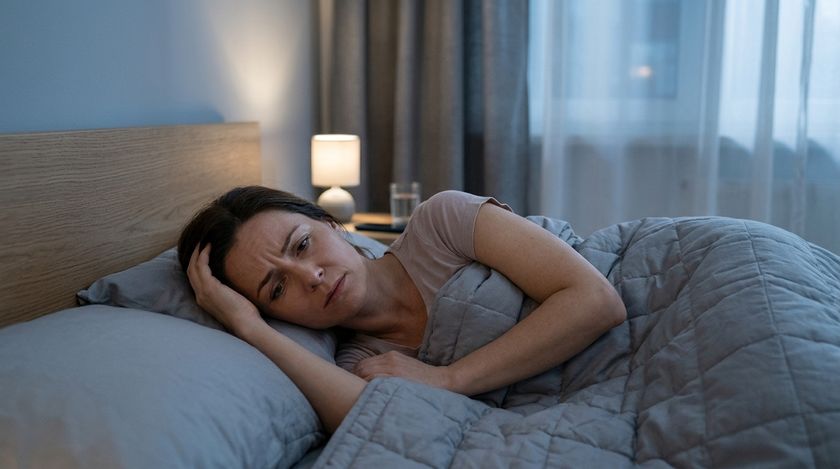
Snoring is common, but that does not mean it should always be ignored. Occasional snoring may be related to sleeping position, congestion, alcohol, or temporary airway narrowing. Persistent, loud snoring may also be a warning sign of obstructive sleep apnea.
Quick Answer: Is Snoring Dangerous?
Snoring itself is not always dangerous. However, loud or frequent snoring accompanied by pauses in breathing, gasping, choking, morning headaches, dry mouth, or daytime sleepiness may indicate obstructive sleep apnea.
Obstructive sleep apnea occurs when the upper airway repeatedly becomes blocked during sleep, reducing or stopping airflow. [ nhlbi.nih.gov ]
What Causes Snoring?
Snoring occurs when air moves through a narrowed airway and causes tissues in the throat to vibrate.
Factors that may contribute include:
- Sleeping on your back
- Nasal congestion
- Alcohol close to bedtime
- Relaxed throat muscles
- Airway anatomy
- Excess tissue around the airway
- The position of the jaw or tongue
The sound alone does not reveal whether someone has sleep apnea. That distinction requires an appropriate evaluation.
When Should You Be Concerned About Snoring?
Talk with a healthcare professional if snoring is accompanied by:
- Pauses in breathing
- Gasping, choking, or snorting
- Waking with a headache
- Dry mouth in the morning
- Excessive daytime sleepiness
- Difficulty concentrating
- Irritability or mood changes
- High blood pressure
- Falling asleep during routine activities
Snoring, gasping, breathing that starts and stops, daytime tiredness, dry mouth, and headaches are among the recognized symptoms of sleep apnea. [ nhlbi.nih.gov ]
Can You Have Sleep Apnea Without Snoring?
Yes. Snoring is common in obstructive sleep apnea, but not everyone with sleep apnea snores. Fatigue, poor concentration, headaches, insomnia, or daytime sleepiness may be the symptoms a person notices first.
Likewise, not everyone who snores has sleep apnea. This is why treating the sound of snoring without first considering the underlying cause may not be enough.
How Is Snoring Evaluated?
A healthcare professional may review:
- How often you snore
- How loud the snoring is
- Whether breathing pauses occur
- Whether you wake up gasping
- Your morning and daytime symptoms
- Your medical and sleep history
- Whether sleep testing is appropriate
A sleep study may be needed to distinguish primary snoring from obstructive sleep apnea.
Can an Oral Appliance Help With Snoring?
For appropriately evaluated adults, a custom oral appliance may help by supporting the lower jaw in a position that helps keep the airway open.
The American Academy of Sleep Medicine and American Academy of Dental Sleep Medicine recommend that primary snoring be diagnosed by a sleep physician before oral appliance treatment. Their guideline also supports custom, adjustable oral appliances provided by a qualified dentist when prescribed for sleep apnea. [ aasm.org ]
Find Help for Snoring in The Woodlands
If your snoring is disrupting your sleep or your partner’s sleep, do not simply assume it is harmless. Understanding the cause is the first step toward selecting the right solution.
Call Woodlands Sleep Solutions at 281-336-9271 to schedule a consultation in The Woodlands, Texas.
Frequently Asked Questions
Does every person who snores have sleep apnea?
No. Snoring can occur without sleep apnea, but loud snoring with gasping, breathing pauses, or daytime fatigue should be evaluated.
Can a mouthguard stop snoring?
An over-the-counter mouthguard is not the same as a custom oral appliance. A prescribed appliance is fitted and adjusted for the patient’s airway and dental anatomy.
Should I be concerned if my spouse stops breathing while sleeping?
Yes. Witnessed pauses in breathing are an important reason to speak with a healthcare professional.