- Categories :
- More
Healthy Halloween Trick-or-Treating: Tips for a Healthier Haul
By:
 The Woodlands Institute for Health & Wellness - Mila McManus MD
| Published 10/28/2026


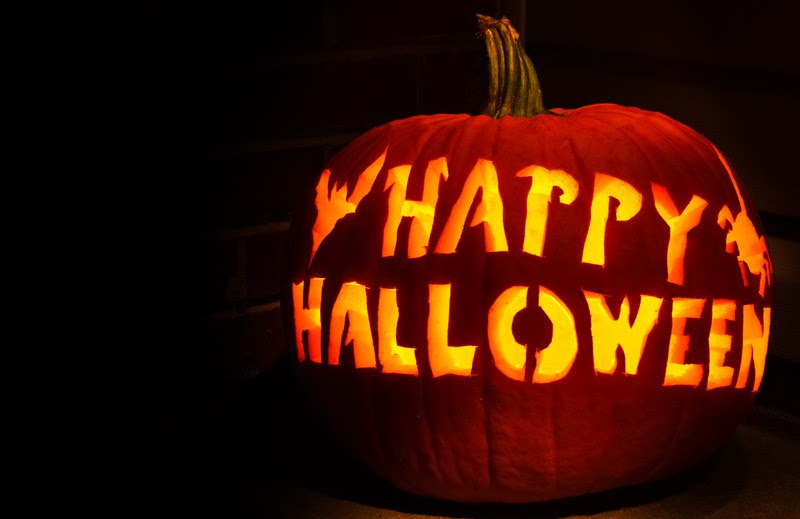
Halloween should be fun—not a nutritional battleground! But with candy everywhere, it’s easy for October treats to turn into weeks of extra sugar and processed snacks.
Our goal isn’t to eliminate every sweet treat. It’s to help kids enjoy Halloween while eating more plant-rich foods and quality protein, and less candy. A few simple choices can help your family enjoy the holiday without losing sight of healthy habits.
Before the Trick-or-Treating Begins
- Serve a nourishing dinner first. Include quality protein, vegetables, and healthy fats to help kids feel satisfied before heading out.
- Make plants appealing. Offer colorful vegetables with a favorite dip, sliced apples with nut butter, or berries alongside dinner.
- Keep water handy. Kids can get thirsty while walking around the neighborhood, so bring water instead of relying on sugary drinks.
Healthier Treats to Hand Out
You can offer fun alternatives to traditional candy without being the Halloween Grinch!
Fresh fruit
- Small apples
- Mini bananas
- Mini tangerines or clementines
- Mini boxes of raisins
Protein-rich snacks
- Individually wrapped mini meat sticks
- Single-serve Justin’s nut butters
- Mini protein or snack bars, such as ALOHA mini bars and KIND Low Sugar Bars
Lower-sugar sweet treats
- SmartSweets® offers candy alternatives, including seasonal Halloween options. Check current product labels, as ingredients and availability vary.
- Look for other individually packaged snacks with less added sugar and recognizable ingredients.
Non-food surprises
- Glow sticks, necklaces, and bracelets
- Stickers and temporary tattoos
- Halloween pencils and mini notebooks
- Small toys, spider rings, and bouncy balls
Tip for families handing out treats: Choose commercially packaged items when possible. Fresh fruit is nutritious, but some families may prefer sealed treats because they cannot always verify how food has been handled. Check for allergies, and avoid small items that could pose choking hazards for young children.
Watch for Artificial Food Dyes and Additives
For some children, certain food ingredients may affect more than their appetite. Research suggests that artificial food colors may worsen hyperactivity or other behavioral symptoms in some sensitive children, including some children with ADHD. However, responses vary, and food dyes do not cause ADHD itself.
- Check labels for artificial colors such as Red 40, Yellow 5, and Yellow 6.
- When practical, choose treats without artificial colors or with simpler ingredient lists.
- Pay attention to your child’s individual responses rather than assuming every child will react the same way.
There’s no need to panic over one piece of candy. If you notice consistent behavioral changes after particular foods, discuss your concerns with your child’s healthcare professional.
When the Kids Get Home
- Inspect the haul. Check wrappers for damage or signs of tampering, review allergen information, and discard anything suspicious.
- Set a reasonable candy plan. Let children choose a few favorites to enjoy, then agree on how to handle the rest. Avoid turning candy into a power struggle.
- Pair sweets with nourishing foods. If kids want a treat later, offer it alongside an apple, berries, or another satisfying snack.
- Find a second home for extras. Consider sharing unopened candy with others or looking into a local candy donation or buy-back program.
Keep the Big Picture in Mind
One night of Halloween treats won’t make or break a child’s health. What matters most is the pattern we build over time: more colorful plants, quality protein, minimally processed foods, plenty of water, movement, and good sleep.
A little planning can help make Halloween more enjoyable—and keep healthy habits going as the holiday season gets underway.
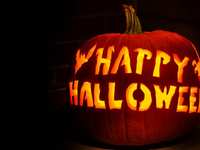
Have a safe, happy Halloween! Boo Well!
Reference:
American Academy of Pediatrics — Are Artificial Food Colors Safe for Children? discusses possible behavioral effects in sensitive children.
U.S. Food and Drug Administration — Halloween Food Safety Tips for Parents covers checking treats and food allergies.
University of Connecticut Extension — Healthy Halloween Treats offers additional food and non-food treat ideas.