- Categories :
- More
Alcohol & Your Health: What to Know Before the Holidays
By:
 The Woodlands Institute for Health & Wellness - Mila McManus MD
| Published 10/21/2026


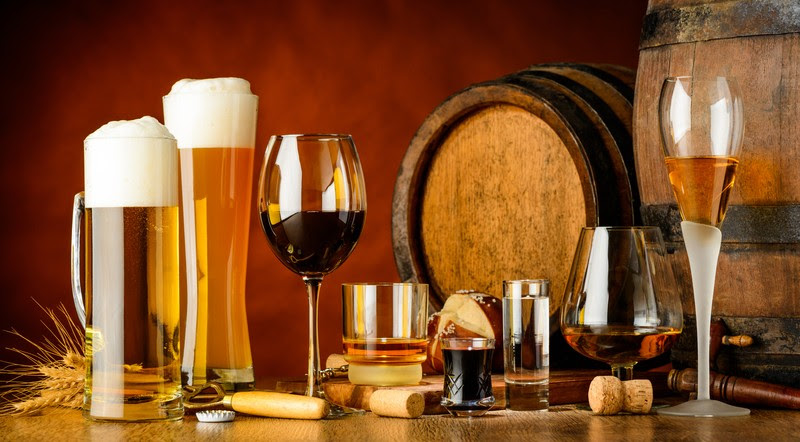
As the holidays approach, many of us look forward to gathering with family and friends, sharing special meals, and enjoying favorite traditions. There is room for enjoyment, but it is also worth understanding how alcohol affects the body and how our choices can influence our health.
For years, certain alcoholic beverages—especially red wine—have been associated with heart-health benefits. But the research is more complicated than those headlines suggested. Today, there is no convincing reason for someone who does not drink to start drinking for health benefits. In general, drinking less is better for your health.
Is Alcohol Good or Bad for You? Why the Research Can Be Confusing
If you have heard conflicting advice about alcohol, you are not alone. Some older studies suggested that moderate drinkers had better heart health and lived longer than people who did not drink. However, researchers have identified problems with how some of those studies compared drinkers with non-drinkers. For example, people who stopped drinking because of health problems were sometimes included in the non-drinking group, potentially making moderate drinking look more beneficial than it was.
For a deeper look at this debate, we recommend an informative discussion from Levels, featuring alcohol epidemiologist Dr. Tim Naimi. He explains why decades of research produced conflicting headlines, why the belief in a “healthy glass of wine” deserves a closer look, and what the evidence tells us today.
Further Reading: Alcohol Research Is Clearer Than You Think—Here’s What We Know
Alcohol Affects More Than Your Liver
Your liver does the hard work of processing alcohol, but it is far from the only organ affected. Alcohol can influence several areas of health:
- Sleep and brain health: Alcohol may make you feel sleepy initially, but it can disrupt sleep quality and normal sleep cycles. It can also affect memory, mood, and concentration.
- Blood sugar and metabolism: Alcohol can affect blood sugar regulation, add calories without much nutritional value, and complicate metabolic health.
- Liver and digestive health: Regular alcohol use can contribute to fatty liver, inflammation, and other digestive concerns.
- Heart health: Alcohol can raise blood pressure and increase the risk of certain heart rhythm problems, particularly with heavier consumption.
- Cancer risk: Alcohol is linked to several cancers, including breast, colorectal, liver, mouth, and throat cancers. The risk generally increases with greater alcohol consumption.
These risks vary with how much and how often a person drinks, as well as individual health factors. The goal is not to create fear, but to help you make informed choices.
What Counts as One Drink?
A standard drink in the United States contains about 14 grams of pure alcohol. That is approximately:
- 12 ounces of regular beer (about 5% alcohol)
- 5 ounces of wine (about 12% alcohol)
- 1.5 ounces of 80-proof liquor
Restaurant pours, generous wineglasses, craft beers, and cocktails can contain more than one standard drink.
U.S. guidelines have traditionally defined moderate drinking as no more than two drinks per day for men and one drink per day for women. These amounts are upper limits, not health goals, and drinking within these limits does not eliminate alcohol-related health risks. Some people should avoid alcohol altogether, including those who are pregnant, taking certain medications, or managing particular medical conditions.
Making Mindful Choices This Holiday Season
The holidays are about much more than what is in your glass. They are about family, friends, shared traditions, laughter, and the meaningful relationships we celebrate. You can have fun, relax, and enjoy time with the people you love without alcohol needing to be part of the experience.
You do not have to approach every gathering with an all-or-nothing mindset. Small changes can make a difference:
- Alternate alcoholic drinks with sparkling water or another nonalcoholic option.
- Choose smaller pours and sip slowly.
- Avoid drinking on an empty stomach.
- Plan alcohol-free days and notice how your sleep, energy, mood, and digestion respond.
- Give yourself permission to decline a drink without explaining why.
If you enjoy seasonal drinks, try sparkling water with cranberry and lime, a cinnamon-orange mocktail, or unsweetened sparkling water with fresh herbs. These options can feel festive without adding alcohol or a large amount of sugar.
What If Cutting Back Is Harder Than Expected?
Alcohol can become a habit that is difficult to change, especially when it is connected to stress, social routines, or winding down at the end of the day. If you notice that cravings are stronger than you expected, or that you are drinking more than you intended, you are not alone—and support is available.
Emerging research is exploring whether GLP-1 medications, such as semaglutide, may help reduce alcohol consumption or cravings in some people. Early clinical trials have shown encouraging findings, but more research is needed. These medications are not currently approved specifically to treat alcohol use disorder.
NAD+ has also been discussed as a possible support for cravings, particularly in IV treatment settings. However, the evidence remains limited, and high-quality clinical research has not established that NAD+ reliably reduces alcohol cravings.
At The Woodlands Institute for Health & Wellness, we also offer ONDAMED, a pulsed electromagnetic frequency therapy, and have seen good success with ONDAMED’s addiction protocols.
If you are interested in learning more about these approaches or exploring other support for healthier habits, give us a call. We believe in meeting people where they are and helping them find a pathway that fits their individual needs.
If you regularly drink heavily, seek medical guidance before stopping abruptly because alcohol withdrawal can be dangerous.
A Healthier Holiday Starts with Awareness
You can enjoy the season while making choices that support your long-term well-being. Pay attention to how alcohol affects you, be honest with yourself about your habits, and remember that reducing your intake—even a little—can be a meaningful step.
If you have questions about alcohol, cravings, or support for healthier habits, we are here to help.
Be Well.
References & Further Reading
- Centers for Disease Control and Prevention (CDC). Alcohol and Cancer — Alcohol-related cancer risks and the benefits of drinking less.
- National Institute on Alcohol Abuse and Alcoholism (NIAAA). What Is a Standard Drink? — Standard drink sizes and alcohol content.
- Hendershot CS, et al. Once-Weekly Semaglutide in Adults With Alcohol Use Disorder: A Randomized Clinical Trial. JAMA Psychiatry. 2025. Read on PubMed.
- Schacht JP, et al. Oral Semaglutide for Alcohol Use Disorder: A Randomized Clinical Trial. American Journal of Psychiatry. 2026. Read on PubMed.
- Levels. Alcohol Research Is Clearer Than You Think—Here’s What We Know — An interview with alcohol epidemiologist Dr. Tim Naimi explaining conflicting research findings and the evidence surrounding moderate drinking.