- Categories :
- More
Why Am I Still Tired After a Full Night’s Sleep? 7 Signs It Could Be Sleep Apnea
By:
 Woodlands Sleep Solutions
| Published 11/11/2026


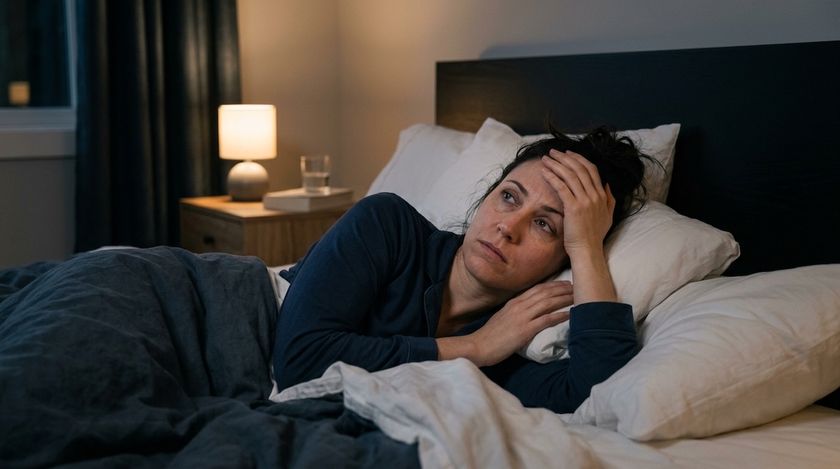
You slept for seven or eight hours, but you still woke up exhausted. By the afternoon, you may be struggling with low energy, brain fog, irritability, or difficulty concentrating.
If this happens regularly, the problem may not be how long you sleep. It may be the quality of your breathing while you sleep.
Quick Answer: Why Am I Still Tired After Sleeping All Night?
You may feel tired after a full night’s sleep because your sleep is repeatedly being interrupted. Possible causes include sleep apnea, insomnia, stress, medications, an inconsistent sleep schedule, or another medical condition.
If your fatigue occurs with loud snoring, gasping, morning headaches, dry mouth, or pauses in breathing, talk with a healthcare professional about obstructive sleep apnea.
Sleep apnea causes breathing to stop and restart during sleep. These interruptions can prevent you from receiving enough restorative sleep, even if you do not remember waking up. [ nhlbi.nih.gov ]
7 Signs Your Fatigue Could Be Related to Sleep Apnea
1. You wake up tired after seven or eight hours
Hours spent in bed do not always equal hours of restorative sleep. Repeated breathing interruptions can fragment your sleep throughout the night.
2. You snore loudly or regularly
Snoring does not always mean sleep apnea, but frequent, disruptive snoring can be an important warning sign.
3. Someone notices pauses in your breathing
A spouse or partner may notice that your breathing stops, followed by a gasp, snort, or choking sound.
4. You wake up gasping or choking
Waking up struggling for air should not be ignored. It may indicate that your airway is becoming restricted during sleep.
5. You have morning headaches or dry mouth
Morning headaches and dry mouth are recognized symptoms associated with sleep apnea. [ nhlbi.nih.gov ]
6. You struggle with brain fog
Poor-quality sleep can affect focus, memory, reaction time, and decision-making.
7. You feel unusually sleepy during the day
Daytime sleepiness may affect work, conversations, driving, and other activities requiring your full attention.
What Should You Do Next?
Symptoms alone cannot confirm sleep apnea. A healthcare professional can review your symptoms and determine whether a sleep study is appropriate.
Depending on your diagnosis, severity, health, and preferences, treatment may include:
- CPAP or another positive airway pressure therapy
- Healthy lifestyle changes
- Positional therapy
- A custom oral appliance
- Other treatments recommended by your healthcare team
For certain adults who cannot tolerate CPAP or prefer an alternative, a custom oral appliance may be considered after an appropriate diagnosis and prescription. [ aasm.org ]
Still Waking Up Exhausted?
If you have been diagnosed with obstructive sleep apnea, have difficulty tolerating CPAP, or are concerned about snoring and daytime fatigue, Woodlands Sleep Solutions can help you explore whether custom oral appliance therapy may be appropriate.
Call Woodlands Sleep Solutions at 281-336-9271 to schedule a consultation in The Woodlands, Texas.
Frequently Asked Questions
Can sleep apnea make me tired all day?
Yes. Repeated breathing interruptions can interfere with restorative sleep and contribute to daytime sleepiness, fatigue, and difficulty concentrating.
Can I have sleep apnea without knowing it?
Yes. Many people do not remember waking during breathing interruptions. A spouse or partner may notice snoring, gasping, or pauses in breathing first.
Can a dentist diagnose sleep apnea?
A dentist can screen for warning signs, but an appropriate medical provider or sleep physician makes the diagnosis.