- Categories :
- More
The Role of Diagnostic Exams in Preventing Tooth Loss in The Woodlands, TX
By:
 The Woodlands Dental Group
| Published 03/11/2026
The Woodlands Dental Group
| Published 03/11/2026



Tooth loss rarely happens all at once. In most cases, it develops slowly after months or years of dental problems that were not detected or treated early. Cavities deepen, gum disease progresses, and small cracks weaken tooth structure without obvious symptoms. By the time pain or swelling appears, the damage has often advanced.
Diagnostic dental exams are one of the most effective tools dentists use to spot early problems and prevent avoidable tooth loss. These exams help your dentist find issues you cannot see or feel and address them while teeth can still be protected. For patients in The Woodlands, TX, this knowledge helps you make informed choices that support tooth preservation over time.
Preventive dentistry starts with clear information. Diagnostic dental exams provide that foundation by identifying early changes in teeth, gums, and bone so your care can start at the right time.
Why Tooth Loss Is Usually Preventable With Early Detection
Most causes of tooth loss develop gradually. They start small and worsen over time when left untreated. Early detection gives dentists the opportunity to manage these conditions before they reach a stage where teeth cannot be saved.
Common Conditions That Lead to Tooth Loss
Several dental conditions commonly contribute to tooth loss when they go unnoticed or untreated.
- Tooth decay begins when bacteria break down enamel. Small cavities may not cause discomfort, but they grow deeper over time and can weaken the tooth from the inside.
- Gum disease affects the tissues that support teeth. Early gum inflammation can progress to bone loss, which reduces the stability of teeth and increases the risk of loosening or loss.
- Tooth fractures often start as small cracks caused by chewing forces or grinding. These cracks can spread and compromise the structure of the tooth.
- Dental infections develop when bacteria reach the inner pulp of the tooth. Infection can spread to the surrounding bone and tissue, sometimes leading to extraction if not treated early.
Each of these conditions usually begins without obvious symptoms. That is why routine dental exams play such a strong role in preventing tooth loss.
Why Symptoms Often Appear Late
Pain is not an early warning sign for many dental problems. Enamel does not contain nerves, so decay can advance without discomfort. Bone loss related to gum disease also progresses quietly, without causing pain in the early stages.
Cracks in teeth may remain painless until they reach deeper layers or cause the tooth to split. Infections may only cause symptoms once pressure builds or swelling occurs. Because many dental issues develop silently, relying on symptoms alone can delay care.
Diagnostic dental exams help identify these problems before they cause pain or visible damage.
What Diagnostic Dental Exams Reveal That Patients Can’t See
Diagnostic dental exams allow dentists to evaluate areas of the mouth that patients cannot easily assess on their own. These exams are investigative rather than invasive. They focus on gathering information to guide preventive and restorative decisions.
Detecting Decay Beneath the Surface
Not all decay appears as visible dark spots or holes. Cavities often form between teeth or beneath existing fillings. These areas cannot be evaluated by sight alone.
Dental X-rays and visual examination tools help dentists identify hidden decay before it reaches the inner structure of the tooth. Finding decay early allows for smaller treatments that preserve more of the natural tooth.
Monitoring Gum and Bone Health
Healthy teeth depend on strong support from the gums and jawbone. During dental exams, dentists measure gum pockets to check how well the gums attach to the teeth. Shallow pockets suggest healthy tissue, while deeper pockets may indicate early gum disease.
Dentists also evaluate bone levels using diagnostic imaging. Bone loss reduces tooth stability and increases the risk of tooth loss. Monitoring these changes over time allows for early intervention and better long-term outcomes.
Identifying Cracks, Wear, and Structural Weakness
Small fractures and worn areas often develop slowly. Chewing pressure, clenching, and grinding can place stress on teeth. These changes may not cause pain right away, but they weaken tooth structure.
Diagnostic exams help dentists identify early cracks and wear patterns. Addressing these issues early can prevent fractures from spreading and reduce the need for extensive treatment later.
How Diagnostic Exams Support Preventive and Restorative Planning
Diagnostic information plays a central role in deciding how to protect and restore teeth. Without accurate evaluation, treatment planning becomes guesswork. Diagnostic exams allow dentists to focus on tooth preservation whenever possible.
Preventing Minor Problems From Becoming Major Treatments
Early detection allows dentists to address small problems before they escalate. Treating decay or gum inflammation early often leads to simpler care and better outcomes.
The table below shows how early treatment can help avoid more complex procedures.
| Early Finding | Early Treatment | Possible Outcome If Ignored |
|---|---|---|
| Small cavity | Dental filling | Crown or extraction |
| Gum inflammation | Professional cleaning | Bone loss and tooth loss |
| Minor crack | Protective restoration | Tooth fracture |
| Early infection | Root canal | Extraction |
By addressing problems early, dentists can focus on preventing tooth loss and maintaining natural teeth.
Guiding Restorative Decisions
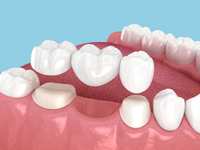
Diagnostic exams help determine whether a tooth can be saved and what type of restoration is appropriate. Dentists evaluate the strength of the tooth, the health of the surrounding bone, and the presence of infection.
When teeth remain structurally sound, conservative restorations often provide effective long-term support. In cases where damage has progressed, diagnostic findings guide decisions about more advanced restorative dentistry in The Woodlands while prioritizing tooth preservation whenever possible.
How Often Are Diagnostic Exams Needed to Protect Teeth
There is no single exam schedule that works for everyone. Dentists base exam frequency on individual risk factors, oral health history, and how stable conditions remain over time. This risk-based approach helps protect teeth without relying on rigid timelines.
Routine Exams for Low-Risk Patients
Patients with healthy gums, stable teeth, and minimal dental work often do well with routine monitoring. During these visits, dentists check for early signs of decay, review existing fillings or crowns, and confirm that gum tissue and bone support remain stable. X-rays are used only when needed to track areas that cannot be seen directly.
Routine exams help maintain oral health by catching small changes early. This steady monitoring supports general dentistry in The Woodlands TX by reducing the chance of unexpected problems and keeping preventive care on track.
More Frequent Monitoring for High-Risk Patients
Some patients benefit from closer monitoring because certain factors raise the risk of dental problems returning or progressing. In these cases, dentists focus on tracking changes more closely and adjusting care as needed.
Common factors that may call for more frequent exams include:
- A history of gum disease
- Extensive dental work such as crowns or bridges
- Teeth grinding or clenching
- Medical conditions that affect oral health
- Past dental infections
With closer monitoring, dentists can watch for early changes in gum health, check the stability of restorations, and address wear or infection sooner. This approach supports preventing tooth loss by managing risks before they lead to more serious damage.
The Link Between Preventive Dentistry and Tooth Preservation
Preventive dentistry focuses on protecting teeth before problems develop. Diagnostic exams play a central role by identifying early changes that may not cause symptoms.
Tooth preservation depends on consistent evaluation, professional cleanings, and patient education. Together, these elements reduce the risk of sudden dental problems and support long-term oral health.
Why Cleanings and Exams Work Together
Dental cleanings remove plaque and tartar that patients cannot fully eliminate at home. Exams allow dentists to evaluate teeth and gums after buildup has been removed.
This combination improves visibility and accuracy. Cleanings help prevent disease progression, while exams identify early concerns that may require attention. Together, they support effective preventive dentistry in The Woodlands.
How Preventive Visits Reduce Emergency Dental Situations
Many dental emergencies begin as untreated issues. Small cavities deepen, infections spread, and cracks worsen until sudden pain occurs.
Regular preventive visits reduce the likelihood of these situations. Diagnostic exams help detect problems early, which lowers the chance of unexpected tooth loss or urgent care needs. This proactive approach supports Woodlands dental care focused on stability and prevention.
FAQs About Diagnostic Dental Exams
Can exams really prevent tooth loss?
Yes. Diagnostic dental exams allow dentists to identify problems early, while teeth remain treatable. Early care helps stop disease progression before damage becomes irreversible.
Do diagnostic exams hurt?
No. Dental exams are designed to be comfortable and noninvasive. Most patients experience little to no discomfort during routine evaluations.
Are exams still needed if nothing hurts?
Yes. Many dental problems develop without pain or visible symptoms. Exams help identify issues that patients cannot feel or see.
Protect Your Natural Teeth With Preventive Care in The Woodlands, TX
Preserving natural teeth depends on early detection, consistent monitoring, and thoughtful treatment planning. Diagnostic dental exams provide the information dentists need to protect teeth before problems become severe.
At The Woodlands Dental Group, preventive care is built around long-term relationships and continuity. Patients receive personalized monitoring that supports tooth preservation and clear guidance about their oral health. Through routine diagnostic exams and preventive dentistry in The Woodlands, patients can take an active role in protecting their natural teeth and maintaining confident, comfortable smiles over time.