- Categories :
- More
Dental Care Milestones from Toddler to Teen in The Woodlands, TX
By:
 The Woodlands Dental Group
| Published 05/11/2026
The Woodlands Dental Group
| Published 05/11/2026


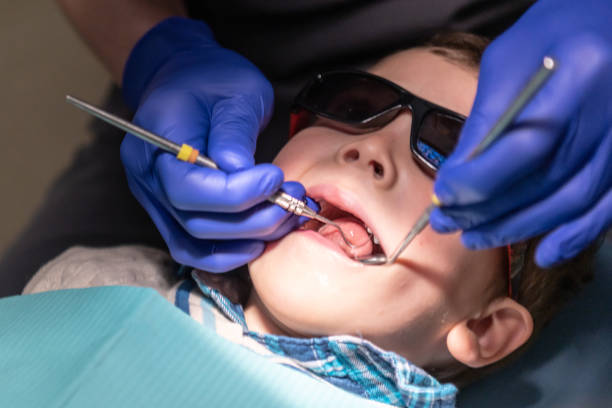
Children’s dental needs change a great deal from the toddler years through the teenage years. A child who is just getting their first tooth has very different dental needs than a teen with permanent teeth, orthodontic concerns, and a busy schedule.
Understanding key dental milestones can help parents support healthy growth, spot concerns early, and reduce the chance of more complex problems later. Children’s dental development is not just about when teeth come in or fall out. It also includes jaw growth, bite development, oral habits, hygiene routines, and long-term oral health.
Families looking for pediatric dentistry in The Woodlands often want guidance that fits their child’s age and stage of development. The Woodlands Dental Group provides pediatric dental care that supports children from early childhood through the teen years, helping families stay informed at every stage.
Why Understanding Dental Milestones Matters for Growing Smiles
Children’s dental development follows a series of stages. Each stage brings different changes, risks, and opportunities for prevention. Paying attention to dental milestones for kids helps parents know what is normal and when it may be time to ask questions.
A child’s smile changes from baby teeth development to permanent teeth eruption over many years. During that time, dentists monitor the tooth eruption timeline in children, spacing in baby teeth, bite development in kids, and dental growth patterns in kids.
Understanding the stages of dental development in children can help families make better decisions about hygiene, nutrition, habits, and regular dental visits.
How Children’s Dental Needs Change from Toddler to Teen
Children’s dental priorities shift as they grow. During the toddler years, the focus is often on first tooth eruption, primary teeth development, brushing teeth for kids, and avoiding early childhood cavities. Parents may also ask about pacifier use, teeth development, thumb sucking, teeth problems, and how to care for toddler teeth.
During the preschool and school-age years, children begin losing baby teeth and entering the mixed dentition phase. This stage often includes monitoring permanent teeth eruption, spacing, crowding in children’s teeth, and tooth alignment development.
During the teen years, dental care for teenagers often focuses on long-term oral hygiene, jaw alignment, sports protection, orthodontics for children in The Woodlands, TX, and how to protect kids’ teeth long-term.
Why Early Monitoring Prevents More Complex Problems Later
Regular dental visits allow dentists to watch how a child’s teeth, bite, and jaw are developing over time.
Early monitoring can help identify crowding in children’s teeth, bite changes, tooth alignment development, and signs of early decay before they become more serious. Dentists also track habits affecting dental development, such as thumb sucking, tongue thrusting, and mouth breathing, in children’s dental health concerns.
Pediatric dental checkups in The Woodlands give families the chance to ask questions and stay informed about their child’s progress.
Dental Milestones for Toddlers (Ages 1–3)
The toddler years are one of the most important stages of children’s dental development. This is when the first teeth begin to erupt, oral habits form, and parents start building a healthy routine.
Dental care for toddlers should focus on prevention, consistency, and early monitoring.
First Teeth Eruption and Early Oral Development
Most children get their first tooth between 6 and 12 months of age. By age 3, many toddlers have a full set of 20 primary teeth.
Baby teeth development does not happen at the same pace for every child. Some children get teeth early, while others may take longer. Variations are common.
Parents often ask, “When should kids first see a dentist?” or “At what age should a child go to the dentist?” Most children should visit a pediatric dentist in The Woodlands by age one or when the first tooth appears.
Early visits allow parents to learn about primary teeth development, oral hygiene for kids by age, and what to expect as more teeth come in.
Establishing Early Oral Hygiene Habits
Healthy habits should begin as soon as the first tooth erupts. Parents should brush their toddler’s teeth twice each day using a soft toothbrush and a small amount of fluoride toothpaste.
Young children need help with brushing their teeth for kids because they do not yet have the coordination to clean thoroughly on their own.
A healthy kid’s oral hygiene routine at this age includes:
- Brushing twice daily
- Cleaning gums before teeth erupt
- Avoiding bedtime bottles with sugary drinks
- Introducing flossing for children when their teeth begin touching
- Making brushing part of the morning and bedtime routine
Parents who build strong routines early often find that children become more comfortable with dental care as they grow.
Common Risks in Toddler Years
Toddlers are at risk for early childhood cavities, especially if sugary snacks, juice, or bedtime bottles are part of their daily routine. Baby bottle tooth decay can happen when children fall asleep with milk, juice, or sweet drinks in a bottle. Sugar sits on the teeth for long periods and increases the risk of decay.
Diet and children’s dental development are closely connected. Sugar and kids’ teeth health often become a concern during the toddler years because children may start eating more snacks and processed foods.
Common toddler habits that may affect dental growth include:
- Thumb sucking and teeth problems
- Pacifier use and teeth development concerns
- Tongue thrust in children
- mouth breathing and related children’s dental health issues
- Frequent sugary snacks or drinks
A pediatric dentist in The Woodlands can monitor these habits and explain when they may start affecting bite development in kids or jaw development in children.
Dental Milestones for Preschool and Early Childhood (Ages 3–6)
The preschool years are often a habit-building stage. Children become more aware of brushing, more comfortable during dental visits, and more independent with daily routines.
This is also a good time to focus on preventive dental care for kids.
Developing Independent Brushing and Dental Awareness
Children between the ages of 3 and 6 often want to brush their teeth on their own. Parents should encourage independence while still supervising and helping.
Many children do not have the dexterity to brush well on their own until around age 7 or 8. Parents should continue helping with brushing teeth for kids and flossing for children to make sure all tooth surfaces are cleaned.
The best dental care routine for kids during the preschool years often includes:
- Brushing twice each day
- Flossing once daily
- Drinking water regularly
- Limiting sugary snacks
- Visiting the dentist regularly
This stage is also a good time to teach children about why oral hygiene matters.
Monitoring Bite and Tooth Position Early
Preschool years are often when dentists begin watching tooth position and bite development more closely.
Spacing in baby teeth is often a good sign because it can create room for larger permanent teeth later. If teeth are crowded very early, dentists may want to monitor dental growth stages in children more closely over time.
Dentists may also watch for:
- Crowding of children’s teeth
- Bite development in kids
- Jaw development in children
- Facial growth and dental development
- Early orthodontic development signs
Monitoring does not always mean a child will need orthodontic care later. It simply helps identify patterns early.
Preventive Care Like Cleanings, Fluoride, and Sealants
Preventive care becomes even more important during the preschool years because children are still learning healthy habits.
Regular children’s dental cleaning in Woodlands, TX can help remove plaque and reduce the risk of decay. Many families schedule teeth cleaning for kids in The Woodlands every six months as part of their child’s routine care.
Preventive pediatric dentistry may also include:
- Fluoride treatment for kids in The Woodlands
- Dental sealants for kids in The Woodlands
- Cavity prevention for kids
- Early cavity prevention in children’s education
- Pediatric dental services in The Woodlands
These preventive services help protect teeth while children continue building better hygiene habits.
| Preventive Service | Purpose |
|---|---|
| Dental Cleanings | Remove plaque and buildup |
| Fluoride Treatments | Strengthen tooth enamel |
| Dental Sealants | Protect back teeth from cavities |
| Routine Exams | Track dental growth and development |
| Hygiene Education | Teach healthy brushing and flossing habits |
Dental Milestones for School-Age Children (Ages 6–12)
The school-age years bring major changes because children begin losing baby teeth and developing permanent teeth.
This stage of child tooth development is often called the mixed dentition phase because children have both baby teeth and adult teeth at the same time.
Losing Baby Teeth and Permanent Tooth Eruption
Many children begin losing baby teeth around age 6. Front teeth often fall out first, while molars are usually lost later.
Permanent teeth eruption does not happen at the same pace for every child. Some children may lose teeth early, while others may keep baby teeth longer.
Parents often ask, “When do kids lose baby teeth?” The answer depends on the child, but most children continue losing baby teeth until around age 12.
The tooth eruption timeline that children often follow is:
| Age Range | Common Dental Milestones |
|---|---|
| 6–7 Years | Front baby teeth fall out |
| 7–9 Years | More front teeth and early molars erupt |
| 9–12 Years | Premolars and canines develop |
| 11–13 Years | The final baby teeth are lost |
Monitoring permanent teeth eruption helps dentists identify changes in tooth alignment, development, and spacing.
Monitoring Spacing, Crowding, and Bite Development
As permanent teeth come in, dentists continue watching dental growth patterns in kids.
Some children have enough space for adult teeth, while others may show crowding in their teeth or bite changes as the jaw grows. Dentists also monitor jaw alignment in children, spacing in baby teeth, and facial growth and dental development.
Children may show early orthodontic development signs such as:
- Teeth that overlap
- Bite problems
- Narrow jaws
- Delayed tooth eruption
- Crowded front teeth
Regular pediatric dental care in The Woodlands helps dentists track these changes over time.
Early Orthodontic Awareness and Evaluation
Many parents wonder when to see an orthodontist for their kids. School-age years are often when dentists begin discussing early orthodontic evaluation that children may need.
This does not mean a child will need braces right away. Instead, dentists may monitor:
- Orthodontic planning for kids
- Bite correction may be needed later for children
- Jaw alignment concerns for children
- Children’s orthodontics options
- Pediatric orthodontist referrals if needed
Families searching for a pediatric orthodontist in The Woodlands, TX, or a kids orthodontist in The Woodlands, TX often start by speaking with their regular dentist first.
Dental Milestones for Teenagers (Ages 13–18)
Teen years often bring more independence, but they also bring new dental risks. Teens may have busy schedules, sports activities, changing diets, and less parental supervision of daily routines.
Dental care for teenagers should focus on long-term habits and consistency.
Maintaining Oral Hygiene During Busy Teen Years
Teenagers often skip brushing, snack more often, or forget to floss. Busy schedules can make it harder to maintain healthy habits.
Teen dental care tips often include:
- Brushing twice daily
- Flossing once each day
- Limiting sugary drinks
- Wearing a mouthguard during sports
- Keeping regular dental visits
Oral hygiene for kids changes by age during the teen years because teens are expected to take more responsibility for their own care.
Orthodontic Care and Long-Term Alignment
Many teens begin orthodontic care during middle school or high school.
Families searching for braces for kids in The Woodlands, TX, braces for kids in The Woodlands, TX, or orthodontics for children in The Woodlands, TX may have questions about alignment, spacing, or bite changes.
Dentists may continue monitoring:
- Bite correction may be needed for children
- Orthodontic planning for kids
- Tooth alignment development
- Jaw alignment concerns for children
- Pediatric orthodontist, The Woodlands, TX referrals
Some teens may need braces or aligners, while others may not.
Protecting Teeth from Lifestyle Risks
Teenagers face different dental risks than younger children. Sports injuries, diet choices, inconsistent hygiene, and sugary drinks can all affect oral health. Teens who play contact sports should wear a mouthguard to help prevent chipped or broken teeth.
Diet and children’s dental development continue to matter during the teen years. Sugar and kids’ teeth health concerns can increase when teens drink sports drinks, soda, or energy drinks regularly.
How Pediatric Dental Visits Support Each Stage of Development
Routine dental visits help families stay informed as children grow. Whether a child is in the toddler years, school-age years, or teenage years, regular visits help dentists track changes and guide families through each stage.
Tracking Growth and Development Over Time
Dentists monitor children’s dental health timeline changes at every visit.
This may include watching:
- Baby teeth development
- Permanent teeth eruption
- Mixed dentition phase changes
- Tooth alignment development
- Dental growth stages children experience
- Bite development in kids
Tracking changes over time helps dentists notice patterns that may not be obvious during a single visit.
Preventing Issues Before They Require Treatment
Preventive care is a major part of pediatric dentistry in The Woodlands.
Routine visits allow dentists to monitor early cavity prevention in children, identify habits affecting dental development, and support cavity prevention for kids before problems become more serious.
This is one reason many families search for a pediatric dental clinic pediatric dental office or pediatric dental care near them when looking for long-term dental support.
Providing Age-Appropriate Guidance for Families
Dental advice should change as children grow. Toddlers may need help with bottle use and brushing. Preschoolers may need reminders about flossing. School-age children may need guidance about losing baby teeth. Teens may need support with sports safety and hygiene routines.
Pediatric dental specialists can adjust recommendations based on the child’s age, growth, and habits.
What Parents in The Woodlands Should Expect at Each Stage
Parents do not need to know every detail about children’s dental development on their own. Regular dental visits can help families feel more confident and prepared.
How Often Children Should Visit the Dentist
Many children benefit from dental visits about every six months. Parents often ask, “How often should kids go to the dentist?” The answer may vary based on age, cavity risk, oral habits, and growth patterns.
Children with a history of early childhood cavities, crowding, or hygiene concerns may need more frequent visits. Others may stay on a standard schedule.
How Dental Care Recommendations Change with Age
Dental care becomes more personalized as children grow. A toddler may need support with how to care for toddler teeth and bottle habits. A preschooler may need help building brushing habits. A school-age child may need monitoring for permanent teeth eruption. A teen may need guidance about braces, sports mouthguards, or long-term hygiene.
Families often look for a kids dentist, children’s dentist, dentist for kids, child dentist near them, or family dentist in The Woodlands, TX because they want a dental office that can support every stage of development.
FAQs About Children’s Dental Development
Do all children follow the same dental timeline?
No. Children’s dental development varies from one child to another. Some children get teeth early, while others lose baby teeth later. Regular monitoring helps dentists make sure development stays on track.
When should kids start seeing a dentist regularly?
Most children should see a dentist around age one or when the first tooth appears. Early visits help parents learn about oral hygiene, feeding habits, and early dental development.
Will all kids need orthodontic treatment?
No. Not every child will need orthodontic treatment. Monitoring growth, spacing, and bite development helps dentists determine if future orthodontic care may be helpful.
Support Your Child’s Dental Development in The Woodlands, TX
Children’s dental needs continue to change from the toddler years through the teenage years. Regular visits give parents the chance to stay informed, build healthy habits, and monitor changes before they become larger concerns.
Families looking for pediatric dentistry in The Woodlands, pediatric dentists in The Woodlands, TX, or a pediatric dentist in 77380, 77386, or 77389 can benefit from working with a dental team that understands every stage of development.
The Woodlands Dental Group provides general and pediatric dental care for children of all ages. Families can partner with the practice for long-term support, preventive care, and guidance from toddler years through adolescence.