- Categories :
- More
Tiny Microbes, Big Risks
By:
 The Woodlands Institute for Health & Wellness - Mila McManus MD
| Published 05/07/2026
The Woodlands Institute for Health & Wellness - Mila McManus MD
| Published 05/07/2026


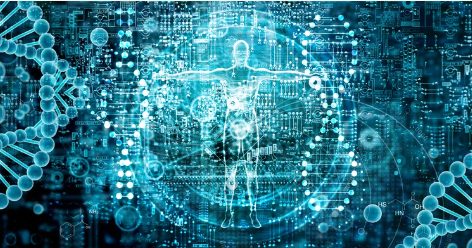
Most of us are familiar with genetically modified organisms (GMOs), such as crops like corn and soybeans, or the non-GMO food labels we see on many food packages. But are you aware that there is a quiet engineering of much smaller, potentially more consequential tiny microbes, such as bacteria, yeast, and fungi? These tiny living organisms are found everywhere, in soil, water, food, and within the human body. In recent decades, scientists have learned how to genetically modify these tiny microbes (GMMs), giving them new abilities in medicine, agriculture, food production, and environmental cleanup. However, the massive scale and speed of microorganism bioengineering have led many to express concerns about safety, proper regulation, and hidden risks.
It’s helpful to understand the distinction between GMOs and GMMs—both part of the broader field of bioengineering, an interdisciplinary field that applies engineering principles, design concepts, and technology to biological systems.
- GMOs (Genetically Modified Organisms) include plants, animals, or microbes whose DNA has been altered. Common examples include herbicide-resistant crops and genetically engineered salmon, soybeans, corn, zucchini, and papaya.
Learn more: https://woodlandswellnessmd.com/genetically-modified-foods-what-it-means-to-you-and-your-family/
- GMMs (Genetically Modified Microorganisms) are a specific type of GMO—living microbes (bacteria, yeast, and fungi) that can reproduce rapidly and spread easily. This self-replicating nature makes them especially powerful, but also more difficult to contain or control.
GMMs are already widely used. Engineered bacteria have been producing insulin safely for decades, and microbes are commonly used to manufacture food ingredients and enzymes, and even to assist in environmental cleanup.
At the same time, researchers are raising important questions about their long-term safety. Potential risks include:
- Rapid reproduction and spread
Microbes multiply quickly. A single bacterium can grow into millions within hours. Once introduced, engineered microbes may spread through air, water, soil, or living hosts—making containment challenging.
- Gene sharing between microbes
Microorganisms can exchange genetic material through a process known as horizontal gene transfer. This raises the possibility that engineered genes could move beyond their intended targets.
- Potential effects on the human microbiome
The human body hosts trillions of microbes essential for digestion, immune function, metabolism, and the balance of inflammation. Scientists are actively studying whether engineered microbes could disrupt the body’s delicate ecosystems.
- Use in food processing
Many processed foods contain enzymes or additives produced by genetically modified microbes. While these are generally recognized as safe under current regulations, some experts call for more long-term, independent research.
- Environmental impact
Microbes in soil and water are foundational to nutrient cycling, plant health, and carbon balance. Because these ecosystems are complex and not fully understood, some scientists express concern about unintended ecological effects.
A Balanced Perspective
Genetically engineered microbes are not inherently harmful—and they offer meaningful benefits, from life-saving medications to cleaner industrial processes and environmental restoration.
However, their unique ability to replicate and interact with natural systems means they require thoughtful oversight. Many experts advocate for stronger safety assessments, long-term monitoring, and coordinated global regulation as this relatively new technology continues to evolve.
The goal is not to stop innovation—but to ensure it is developed and applied responsibly.
What This Means in Practice
Genetically modified microorganisms (GMM’s) are often part of the food system in ways that are not immediately obvious. In many cases, they are used behind the scenes to produce ingredients rather than being present as whole organisms in the final product.
You may encounter their impact in:
- Highly processed or engineered foods (including meat alternatives)
- Fortified foods and supplements (such as vitamin B12 produced through microbial fermentation)
- Flavorings and additives (including natural flavor compounds like vanillin made using engineered microbes)
- Dairy alternatives and specialty products where proteins or enzymes are created through fermentation
While these ingredients are widely used and considered safe under current guidelines, understanding how they are produced allows for more informed decision-making.
What You Can Do
- Read food labels carefully
In the United States, foods containing bioengineered ingredients may carry a “bioengineered” label or include a QR code or digital link for more information. Taking a moment to review labels—and even scanning when needed—can help you make more informed choices. We recommend avoiding any bioengineered food product. Learn more: https://woodlandswellnessmd.com/bioengineered-food-are-you-eating-it/.
- Choose real, whole foods when possible
A diet centered on whole, minimally processed foods naturally reduces exposure to highly processed ingredients, including those derived from engineered systems. Organic certification does not permit genetic modification.
- Use your voice
Consumer awareness matters. Participating in community discussions, supporting organizations focused on food transparency, and advocating for responsible development and oversight can help shape how these technologies are used.
The Bottom Line
We are only beginning to understand the vast and intricate world of microbes—both natural and engineered. With careful research, transparency, and responsible innovation, it is possible to harness their benefits while minimizing unintended risks. Regardless, as functional medicine practitioners, we don’t recommend consuming genetically modified organisms or microorganisms into the delicate and complex human microbiome.
Be Wise. Be Well.
References
Leu, A. (2026). Genetically modified microorganisms: Risks and regulatory considerations for human and environmental health. Microorganisms.
National Academies of Sciences, Engineering, and Medicine. (2016). Genetically Engineered Crops: Experiences and Prospects.
U.S. Food & Drug Administration (FDA). (2022). Biotechnology in Food and Agriculture.
World Health Organization (WHO). (2023). Food, genetically modified.
European Food Safety Authority (EFSA). (2020). Guidance on risk assessment of genetically modified microorganisms.
National Institutes of Health (NIH). (2021). Human Microbiome Project Overview.