- Categories :
- More
Veneers for Chipped, Worn, or Uneven Teeth in The Woodlands, TX
By:
 The Woodlands Dental Group
| Published 06/23/2026
The Woodlands Dental Group
| Published 06/23/2026


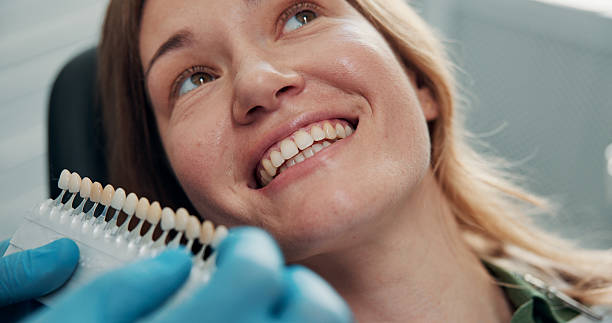
Even small imperfections in your smile can have a noticeable impact on your confidence. A chipped front tooth, uneven tooth shape, worn enamel, or small gaps between teeth may not always affect oral health, but they can make people feel self-conscious when speaking, smiling, or posing for photos. Over time, normal wear and tear, teeth grinding, minor injuries, and natural variations in tooth shape can all contribute to a smile that looks less balanced than you’d like.
Porcelain veneers are one of the most versatile cosmetic dentistry treatments available for addressing these concerns. Designed to cover the front surface of visible teeth, veneers can improve the appearance of chipped, worn, uneven, misshapen, or slightly spaced teeth while creating a more symmetrical and harmonious smile. In many cases, veneers offer a conservative alternative to more extensive restorative procedures and may help patients achieve their cosmetic goals without orthodontic treatment.
For patients considering porcelain veneers in The Woodlands, understanding when veneers are appropriate—and when another treatment may be recommended—is an important first step. At The Woodlands Dental Group, cosmetic treatment planning begins with a personalized evaluation of each patient’s smile, oral health, bite alignment, and long-term goals. Because every smile is unique, treatment recommendations are tailored to address both aesthetic concerns and overall dental wellness.
This guide explains how veneers are used to address common cosmetic concerns, who may be a good candidate for treatment, and what to expect when considering a smile makeover in The Woodlands TX. Whether you’re dealing with chipped edges, uneven tooth proportions, or signs of wear, learning more about cosmetic dentistry in The Woodlands TX can help you determine whether veneers may be the right solution for creating a more confident, balanced smile.
What Cosmetic Problems Can Porcelain Veneers Improve?
One of the reasons porcelain veneers remain a popular cosmetic dentistry treatment is their versatility. Rather than addressing a single concern, veneers can often improve multiple aesthetic issues at the same time. Patients who are bothered by chipped teeth, uneven tooth shapes, worn enamel, small gaps, or minor alignment irregularities may be able to achieve a more balanced smile with a single comprehensive treatment plan.
Because veneers are custom-designed for each patient, they can be shaped, sized, and shaded to complement surrounding teeth and facial features. This allows cosmetic improvements to look natural while enhancing overall smile symmetry. During a consultation, a cosmetic dentist in The Woodlands can evaluate your concerns and determine whether veneers are an appropriate option based on your smile goals and oral health.
Veneers for Chipped Front Teeth
Even a small chip in a front tooth can be highly noticeable when you smile or speak. Chipped teeth may result from accidental trauma, biting hard objects, teeth grinding, or normal wear over time. While some chips are purely cosmetic, they can create uneven tooth edges that make the smile appear less symmetrical.
Porcelain veneers are commonly used as veneers for chipped teeth because they cover the visible front surface of the tooth, concealing small fractures, edge wear, and other cosmetic imperfections. By carefully designing the veneer to match the surrounding teeth, dentists can restore a more uniform shape and create a smoother, more balanced appearance.
In addition to masking the chip itself, veneers can correct cosmetic asymmetry that develops when one tooth becomes shorter, uneven, or misshapen compared to neighboring teeth. The result is a smile that looks more harmonious while maintaining a natural appearance. For patients seeking cosmetic improvements to chipped front teeth, a cosmetic dentist in The Woodlands can determine whether veneers offer the most effective solution based on the size, location, and condition of the affected tooth.
Veneers for Worn or Short Teeth
Teeth naturally experience wear over time, but certain factors can accelerate the process. Years of chewing, enamel erosion, teeth grinding (bruxism), and clenching can gradually wear down the biting surfaces of teeth, causing them to appear shorter, flatter, or less defined. As enamel wears away, the smile may begin to look aged or uneven, even if the teeth remain healthy.
Porcelain veneers can help restore the appearance of worn teeth by rebuilding lost length and improving tooth proportions. By carefully designing each veneer to complement the surrounding teeth, dentists can create a more balanced and youthful-looking smile while preserving a natural appearance.
For patients with short teeth caused by enamel wear or grinding damage, veneers may also improve smile symmetry by creating more consistent tooth lengths across the visible smile line. As part of a comprehensive smile restoration in The Woodlands TX, veneers can address cosmetic wear patterns and help patients achieve a more refreshed, harmonious appearance.
Veneers for Uneven or Misshapen Teeth
Not all cosmetic concerns are the result of damage or wear. Some people naturally have teeth that vary in size, shape, or contour. One tooth may appear smaller than its neighbor, while another may have an irregular edge or contour that draws attention when smiling.
Porcelain veneers are frequently used to improve the appearance of uneven or misshapen teeth by creating greater consistency throughout the smile. Because each veneer is custom-crafted, dentists can adjust tooth width, length, contour, and overall proportions to achieve a more symmetrical appearance.
Veneers are particularly effective for correcting minor asymmetries that do not necessarily require orthodontic treatment. By enhancing tooth shape and balancing proportions, veneers help create visual harmony between the teeth, gums, and facial features. The goal is not to create a perfect smile, but rather a natural-looking smile that feels balanced, confident, and uniquely suited to the individual patient.
How Veneers Improve Smile Symmetry and Aesthetics
A beautiful smile is about more than having white teeth. Factors such as tooth shape, size, proportion, alignment, and symmetry all contribute to how a smile is perceived. Even small irregularities can draw attention away from the overall smile, while balanced proportions often create a more attractive and natural appearance.
Porcelain veneers are a key tool in modern smile design because they allow dentists to make precise cosmetic adjustments while maintaining a natural look. Rather than simply covering imperfections, veneers are carefully planned to complement a patient’s facial features, lip line, gum contours, and existing teeth. The goal is to create a smile that looks healthy, balanced, and authentic—not overly uniform or artificial.
Every smile is unique, which is why custom porcelain veneers are designed specifically for each patient. Dentists consider factors such as tooth length, width, contour, translucency, and color when developing a treatment plan. By making subtle refinements to these characteristics, veneers can improve the overall harmony of the smile while preserving its individuality.
Natural looking veneers are also designed to reflect light similarly to natural tooth enamel. Modern porcelain materials provide realistic translucency and texture, helping veneers blend seamlessly with surrounding teeth. This attention to detail allows patients to enhance the appearance of their smile without it looking obvious that cosmetic treatment was performed.
Whether the goal is to correct uneven tooth proportions, improve symmetry after years of wear, or create a more polished smile overall, veneers offer a highly customizable solution. Through careful cosmetic planning and smile design, veneers can help patients achieve a smile that looks balanced, confident, and naturally beautiful.
Balancing Tooth Shape, Size, and Proportion
Successful cosmetic dentistry is about creating balance, not simply changing the appearance of individual teeth. When planning a smile makeover, dentists evaluate how each tooth relates to the rest of the smile and to the patient’s overall facial features. Even small adjustments to tooth size or shape can have a significant impact on smile aesthetics.
As part of the smile design process, cosmetic dentists often assess width-to-length ratios to determine whether teeth appear too short, too narrow, or disproportionate compared to surrounding teeth. They also consider facial proportions, lip position, gum display, and the natural curve of the smile line when developing treatment recommendations.
This detailed approach helps ensure that cosmetic improvements look cohesive rather than drawing attention to a single tooth. Whether addressing worn enamel, uneven tooth proportions, or multiple cosmetic concerns, aesthetic dentistry focuses on creating harmony throughout the entire smile. The result is a cosmetic smile transformation that complements the patient’s natural features while preserving a realistic, authentic appearance.
Creating Natural-Looking Cosmetic Results
One of the most common concerns patients have about veneers is whether their smile will look natural after treatment. Modern porcelain veneers are designed with this goal in mind. Rather than creating a bright, uniform appearance that looks artificial, today’s veneers can be customized to blend seamlessly with a patient’s facial features and surrounding teeth.
Achieving natural looking veneers requires careful attention to details such as color, translucency, texture, and shape. Dentists work to select shades that enhance the smile while still looking believable and appropriate for the patient. Modern porcelain materials can also mimic the way natural enamel reflects and transmits light, creating depth and realism that contributes to attractive cosmetic dentistry results.
Customized shaping is equally important. Each veneer is crafted to fit the individual’s smile, ensuring that the final result feels balanced and unique rather than copied from a standard template. When properly planned, veneers can enhance a smile in a way that looks refreshed and confident while still feeling like the patient’s own natural smile.
Why Veneers Are Popular for Smile Makeovers
Porcelain veneers are often included in smile makeover treatment plans because they can address several cosmetic concerns at once. Rather than correcting chipped edges, uneven shapes, discoloration, and minor spacing issues through multiple separate procedures, veneers may allow dentists to improve many of these concerns simultaneously.
Their versatility makes them an appealing option for patients seeking comprehensive cosmetic improvements. Depending on the patient’s goals, veneers may be used alone or combined with other treatments such as professional teeth whitening, orthodontics, or restorative dentistry to achieve the desired outcome.
Because every smile has different needs, treatment planning begins with a thorough evaluation and discussion of cosmetic goals. For many patients, veneers provide an efficient and highly customizable way to create a more balanced, attractive smile while maintaining a natural appearance.
When Veneers May Be Better Than Bonding for Cosmetic Repairs
Both porcelain veneers and dental bonding can be effective solutions for improving the appearance of chipped, worn, or uneven teeth. Because both treatments address cosmetic concerns, patients often wonder which option is better for their specific situation. The answer depends on several factors, including the extent of the cosmetic concern, the desired outcome, and long-term treatment goals.
Dental bonding uses a tooth-colored composite resin to repair or reshape teeth. It is often a conservative and cost-effective option for addressing small chips, minor gaps, or subtle cosmetic imperfections. For patients with limited aesthetic concerns, bonding may provide an excellent solution with little or no alteration to the natural tooth.
However, veneers may be recommended when multiple cosmetic concerns need to be addressed simultaneously. For example, a patient with worn enamel, uneven tooth proportions, several chipped teeth, and noticeable smile asymmetry may benefit from the comprehensive improvements that veneers can provide. Because veneers cover the entire front surface of the tooth, they offer greater control over shape, size, color, and overall smile design.
Veneers may also provide advantages in cases where long-term aesthetic consistency is a priority. Porcelain is highly resistant to staining and can maintain its appearance for many years with proper care. This makes veneers a popular choice for patients seeking more comprehensive smile enhancement.
Ultimately, the best treatment depends on the condition of the teeth and the patient’s cosmetic goals. During a consultation, a dentist can evaluate whether bonding, veneers, or a combination of treatments is the most appropriate approach. Understanding the strengths of each option helps patients make informed decisions about achieving the smile they envision.
Veneers vs Bonding for Chipped Teeth
When comparing veneers vs bonding for chipped teeth, both treatments can produce attractive cosmetic results, but they differ in how they are designed and how they perform over time.
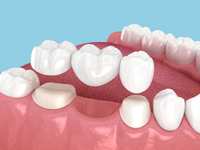
Dental bonding uses a tooth-colored composite resin that is carefully applied and shaped directly on the tooth to repair chips and minor imperfections. Porcelain veneers, on the other hand, are custom-crafted restorations that cover the front surface of the tooth and are designed to enhance both appearance and symmetry.
One of the primary differences between composite bonding vs veneers is durability. While bonding can effectively restore small chips and cosmetic flaws, porcelain veneers are generally more resistant to everyday wear and may maintain their appearance longer. Veneers also provide greater control over tooth shape, size, and overall smile aesthetics, making them a popular option for patients seeking more comprehensive cosmetic improvements.
The right choice depends on factors such as the extent of the chip, the condition of the tooth, long-term goals, and budget considerations. A cosmetic evaluation can help determine which treatment best fits a patient’s needs.
Long-Term Durability and Stain Resistance
Porcelain veneers are known for their strength, longevity, and ability to maintain a natural appearance over time. The porcelain material used in modern veneers is highly resistant to staining from common foods and beverages such as coffee, tea, and red wine. As a result, veneers often retain their color and brightness for many years with proper care.
In addition to stain resistance, porcelain is durable enough to withstand normal daily function when patients follow their dentist’s recommendations and maintain good oral hygiene habits. This combination of durability and aesthetic stability is one reason veneers are frequently selected as part of long-term cosmetic treatment plans.
That does not mean bonding is ineffective. Composite bonding remains a valuable cosmetic treatment and can produce excellent results for many patients. The choice between treatments is less about which option is “better” and more about which option aligns most closely with the patient’s goals, expectations, and clinical needs.
Situations Where Bonding May Still Be Recommended
Although veneers offer many advantages, there are situations where bonding may be the more appropriate treatment option. Patients with very small chips, minor contour irregularities, or isolated cosmetic concerns may achieve excellent results with bonding alone.
Bonding can also appeal to patients who prefer a more conservative approach, as it typically requires little to no removal of natural tooth structure. For individuals looking to make modest cosmetic improvements while preserving as much natural tooth enamel as possible, bonding may be an excellent solution.
Budget considerations can also play a role in treatment planning. Because bonding is generally completed in a single visit and does not require a custom dental laboratory restoration, it may be a practical option for patients seeking cosmetic improvements at a lower initial cost.
Ultimately, both bonding and veneers have an important place in cosmetic dentistry. A personalized consultation allows dentists to recommend the treatment that best supports the patient’s smile goals, oral health, and long-term expectations.
What Dentists Evaluate Before Recommending Veneers
While porcelain veneers can address a wide range of cosmetic concerns, they are not the right solution for every patient. A responsible cosmetic treatment plan begins with a comprehensive evaluation to determine whether veneers are appropriate, predictable, and likely to provide long-term success.
Rather than focusing solely on appearance, dentists assess the overall health and function of the teeth, gums, and bite before making a recommendation. This evaluation helps ensure that cosmetic improvements support both aesthetics and oral health. At The Woodlands Dental Group, treatment planning is personalized to each patient’s unique needs, goals, and dental condition.
Several important factors are typically reviewed before veneers are considered:
Bite Alignment and Tooth Function
A beautiful smile should also function properly. Before recommending veneers, dentists evaluate bite alignment to understand how the upper and lower teeth come together during everyday activities such as chewing, speaking, and swallowing.
Uneven bite forces, teeth grinding, clenching, and certain alignment issues can place excessive pressure on specific teeth. Over time, these forces may increase the risk of wear, chipping, or damage to both natural teeth and dental restorations. Because veneers are designed to be a long-term cosmetic solution, understanding how a patient’s bite functions is an important part of treatment planning.
During a cosmetic consultation, dentists assess bite patterns and look for signs of excessive stress on the teeth. If bite-related concerns are identified, they may recommend addressing those issues before or alongside veneer treatment to help support long-term success and durability.
Gum Health and Existing Dental Work
Healthy gums play a critical role in the appearance and longevity of any cosmetic dental treatment. Before veneers are placed, dentists evaluate the gums for signs of inflammation, infection, or periodontal disease. Red, swollen, or bleeding gums may indicate underlying issues that should be treated before cosmetic procedures are performed.
Dentists also carefully review any existing dental work. Crowns, fillings, and other restorations can influence treatment planning because veneers bond differently to various dental materials than they do to natural enamel. The location, condition, and age of existing restorations may affect whether veneers are appropriate or whether alternative treatment options should be considered.
By evaluating both gum health and prior dental work, dentists can develop a treatment plan that supports not only smile aesthetics but also long-term oral health and function.
Enamel Condition and Tooth Structure
The condition of the natural tooth is another important factor when determining whether veneers are a suitable option. Porcelain veneers are bonded directly to the front surface of the tooth, and healthy enamel provides the most predictable and durable bonding foundation.
During the evaluation process, dentists assess the amount and quality of remaining enamel, as well as the overall strength and integrity of the tooth structure. Teeth that have experienced significant wear, large restorations, fractures, or structural damage may require different treatment approaches depending on their condition.
Adequate enamel helps create a strong bond between the veneer and the tooth, contributing to long-term stability and performance. By carefully evaluating enamel condition before treatment, dentists can determine whether veneers are likely to provide a successful and lasting cosmetic result.
The Veneer Process for Cosmetic Smile Improvements in The Woodlands, TX
For many patients, one of the most appealing aspects of porcelain veneers is that they can address multiple cosmetic concerns through a carefully planned and predictable process. Whether the goal is to improve chipped teeth, correct uneven proportions, restore worn enamel, or create a more balanced appearance, veneer treatment is customized to each individual’s smile goals and oral health needs.
A successful smile transformation begins with comprehensive planning rather than simply placing veneers on the teeth. Every stage of the process is designed to ensure that the final result looks natural, functions properly, and complements the patient’s facial features.
While every case is unique, the veneer process typically includes several key steps:
Cosmetic Consultation and Smile Design
The first step is a thorough cosmetic evaluation. During this appointment, dentists discuss the patient’s concerns, desired improvements, and long-term goals. Photographs, digital imaging, and clinical examinations may be used to evaluate tooth shape, smile symmetry, bite function, and overall oral health.
This consultation helps determine whether veneers are the most appropriate treatment option and allows the dental team to develop a personalized smile makeover in The Woodlands, TX based on the patient’s unique needs.
Smile Evaluation and Treatment Planning
Every successful veneer case begins with careful planning. During the initial cosmetic exam, dentists evaluate the condition of the teeth, gums, bite, and overall smile aesthetics to determine whether veneers are an appropriate treatment option. This comprehensive assessment helps identify both cosmetic concerns and any underlying issues that should be addressed before treatment begins.
Photographs are often taken as part of the planning process to document the current smile and assist with smile design. These images allow dentists to evaluate tooth proportions, smile symmetry, lip position, and other aesthetic factors that may influence the final result.
Equally important is understanding the patient’s smile goals. Some individuals want subtle improvements that maintain the character of their natural smile, while others are looking for more dramatic cosmetic changes. By combining clinical findings with the patient’s preferences, dentists can develop a personalized treatment plan designed to achieve attractive, natural-looking results.
Preparing Teeth for Veneers
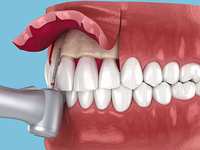
Once treatment planning is complete, the teeth are prepared for veneer placement. In many cases, this involves removing a very small amount of enamel from the front surface of the teeth to create space for the veneers and ensure a smooth, natural fit.
Modern veneer treatment is often considered a conservative cosmetic procedure because only minimal enamel adjustment is typically required. The exact amount depends on factors such as tooth position, desired shape changes, and overall treatment goals.
Careful preparation allows the veneers to blend naturally with the surrounding teeth while helping prevent an overly bulky appearance. Every effort is made to preserve as much healthy tooth structure as possible while creating an ideal foundation for the final restorations.
Veneer Placement and Final Smile Refinement
When the custom veneers are ready, they are carefully evaluated before being permanently bonded to the teeth. Dentists check the fit of each veneer to ensure proper adaptation, comfort, and alignment with the surrounding teeth.
Bite adjustments may also be performed to confirm that the veneers function properly during chewing and speaking. This step helps distribute bite forces appropriately and supports the long-term durability of the restorations.
Once fit and function have been verified, attention turns to the final aesthetics. Dentists evaluate factors such as tooth shape, symmetry, color, smile line, and overall harmony to ensure the completed smile looks balanced and natural. The goal is not simply to improve individual teeth, but to create a refined smile that complements the patient’s facial features and achieves the desired cosmetic outcome.
How to Maintain Veneers Long-Term
Porcelain veneers are designed to provide durable, long-lasting cosmetic improvements, but their longevity depends in part on how well they are cared for after placement. While veneers are made from strong, stain-resistant materials, they still benefit from the same healthy habits that protect natural teeth and gums.
Daily brushing and flossing are essential for maintaining the health of the teeth and gum tissue surrounding the veneers. Although porcelain itself cannot develop cavities, the natural tooth structure underneath and around the veneer remains vulnerable to decay if proper oral hygiene is not maintained.
Regular dental checkups and professional cleanings also play an important role in protecting porcelain veneers in The Woodlands. Routine visits allow dentists to monitor the condition of the veneers, evaluate gum health, and identify any potential concerns before they become more significant problems.
Patients should also be mindful of habits that place excessive stress on the teeth. Chewing ice, biting fingernails, opening packages with the teeth, or repeatedly biting hard objects can increase the risk of damage to both veneers and natural teeth. For individuals who grind or clench their teeth, a custom nightguard may be recommended to help protect their investment and reduce unnecessary wear.
Maintaining good overall oral health is one of the best ways to support long-term veneer success. With proper care, regular dental visits, and attention to protective habits, veneers can continue to provide beautiful cosmetic results for many years while helping patients enjoy a confident, natural-looking smile.
Preventing Chipping and Excessive Wear
Porcelain veneers are strong and designed to withstand normal daily function, but they are not indestructible. Protecting veneers from excessive force can help preserve their appearance and longevity for years to come.
One of the most common threats to veneers is teeth grinding or clenching, also known as bruxism. These habits can place significant pressure on both natural teeth and restorations, increasing the risk of wear or damage over time. Patients who grind their teeth, particularly while sleeping, may benefit from a custom bite guard designed to cushion the teeth and reduce unnecessary stress.
Everyday habits also play a role in veneer maintenance. Chewing ice, biting pens, opening packages with the teeth, or frequently consuming very hard foods can increase the risk of chipping. Practicing healthy chewing habits and using the teeth only for their intended purpose can help protect both veneers and natural tooth structure.
Maintaining Gum Health Around Veneers
Healthy gums are essential to the long-term success of any cosmetic dental treatment. Even beautifully crafted veneers can be affected if the surrounding gum tissue becomes inflamed or unhealthy.
Daily brushing and flossing help remove plaque and bacteria that can accumulate along the gumline. Consistent oral hygiene supports healthy gum tissue, helps prevent periodontal disease, and maintains the natural appearance of the smile. Healthy gums also contribute to the aesthetic outcome of veneers by framing the teeth evenly and creating a balanced smile.
Patients who invest in veneers in The Woodlands should view gum health as an important part of protecting their results. Maintaining healthy gums not only supports oral health but also helps preserve the overall beauty and longevity of the veneers themselves.
Why Routine Dental Visits Matter for Veneer Maintenance
Regular dental visits are one of the most effective ways to protect dental veneers in The Woodlands over the long term. Professional examinations allow dentists to monitor the condition of the veneers, evaluate the surrounding teeth and gums, and identify small issues before they become larger concerns.
Professional cleanings also help remove plaque and tartar buildup in areas that may be difficult to reach through brushing and flossing alone. These visits support gum health and help maintain the overall appearance of the smile.
In addition, routine appointments give dentists an opportunity to assess bite function and look for signs of grinding, clenching, or uneven wear that could affect veneer longevity. For patients searching for a veneer dentist near me, ongoing preventive care is an important part of protecting their investment and ensuring their veneers continue to look and function their best for years to come.