- Categories :
- More
Understanding Hip and Knee Pain as You Age
By:
 St. Luke's Health - The Woodlands Hospital
| Published 08/26/2026
St. Luke's Health - The Woodlands Hospital
| Published 08/26/2026


By Masoud Hamidian, MD, FAAOS, Orthopedic Surgeon | CommonSpirit Medical Group - Orthopedics - Ringgold
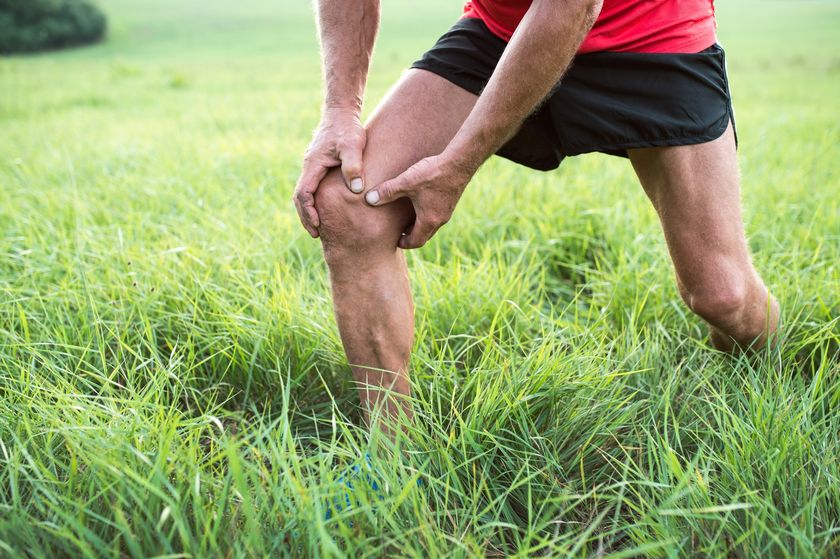
Some people think only the elderly get serious hip and knee pain. But many people between 40 and 60 years old feel real discomfort in these joints. This isn't just "getting old." Often, treatable conditions cause this pain, impacting your daily life.
If you're in your 40s, 50s or early 60s and finding everyday activities like walking, climbing stairs or even just getting out of a chair a struggle, you're not alone. The encouraging news is that you can manage and prevent this pain, helping you enjoy an active, fulfilling life.
What Causes Your Hip and Knee Pain?
Common conditions include:
- Osteoarthritis (OA): This involves the wear on your joint cartilage. Factors such as past injuries, genetics or weight can influence this condition. You might feel stiffness, pain when you move, or a grinding sensation.
- Meniscus tears (knee): These happen when cartilage in your knee tears from twisting or squatting. You feel sharp pain, see swelling, or your knee might "catch" or "lock."
- Patellofemoral pain (runner's knee): This condition causes pain around your kneecap. It hurts more when you go up/down stairs or sit for a long time. Muscle imbalance or overuse often causes it.
- Trochanteric bursitis (hip): This involves swelling on the outer side of your hip. The pain may travel down the leg and often worsens when lying on that side.
- Tendinitis (hip and knee): Tendons get inflamed from using them too much or using bad form, like "jumper's knee".
- Sacroiliac (SI) joint dysfunction (hip): This affects the joint where your pelvis meets your spine. It causes pain in your lower back or buttock, sometimes spreading down your thigh.
How to Find Relief and Get Back to Moving
Most people in this age group find great success with treatments that don't involve surgery.
-
Physical therapy (PT): This treatment strengthens muscles, increases flexibility and improves movement patterns.
-
Medications: Over-the-counter nonsteroidal anti-inflammatory drugs (NSAIDs), like ibuprofen, can help reduce pain and swelling. Doctors may also recommend prescription medications.
-
Injections:
-
Corticosteroids: Reduce swelling associated with bursitis or arthritis.
-
Viscosupplementation: Uses hyaluronic acid to lubricate knees affected by OA.
-
-
Lifestyle changes: Maintaining a healthy weight takes stress off your joints. Changing some activities also helps the healing process.
- Surgery: Doctors suggest surgery, such as arthroscopy surgery or joint replacement surgery, if other treatments do not provide relief.
Preventing Joint Pain
It is never too late, or too early, to protect your joints!
-
Maintain a healthy weight: Extra weight adds significant stress to your hips and knees.
-
Stay active: Participate in low-impact exercise such as swimming, cycling, elliptical training, walking and yoga.
-
Strength train: Build strong muscles around your hips and knees (like your quads, hamstrings, glutes and core). This provides support and keeps you steady.
-
Use proper form: Whether you lift weights, play sports, or do chores, use correct body movements. This avoids extra stress on your joints.
-
Listen to your body: Do not push through pain. If an activity hurts, stop and rest.
-
Wear supportive shoes: Choose shoes that offer cushioning and support, especially when you exercise.
-
Vary your workouts: Cross-training prevents injuries from overusing specific parts of your body. It spreads stress across different muscle groups.
When to See an Orthopedic Specialist
Hip and knee pain should not limit you from living a full, active life. If your hip or knee pain lasts more than a few weeks, interferes with daily tasks, or comes with swelling, instability or trouble bearing weight on it, it may be time to talk to a specialist. Early diagnosis and a tailored treatment plan can often prevent more serious issues and can help lead to better long-term outcomes, keeping you active and thriving.
If you experience persistent hip or knee pain, learn more by visiting CommonSpirit Medical Group - Orthopedics - Ringgold or find a doctor near you.